 WhatsApp
 Plan Your Trip
.jpg)
Nepal Trekking Grades: A Complete Guide to Trekking Difficulty in Nepal
Nepal is one of the world's most popular destinations for trekking, offering an incredible variety of landscapes, cultures, and mountain adventures. From short and easy walks through beautiful villages to demanding high-altitude expeditions, there is a trekking experience in Nepal for almost every type of adventurer.
However, not every trekking route has the same level of difficulty. The distance, altitude, terrain, weather, duration, remoteness, availability of accommodation, and required physical fitness all influence how difficult a trek can be. Trekking styles such as teahouse trekking and camping trekking can also affect the overall experience.
Recommended Trips
Trips You May Like
Hand-picked Nepal trips related to this article.
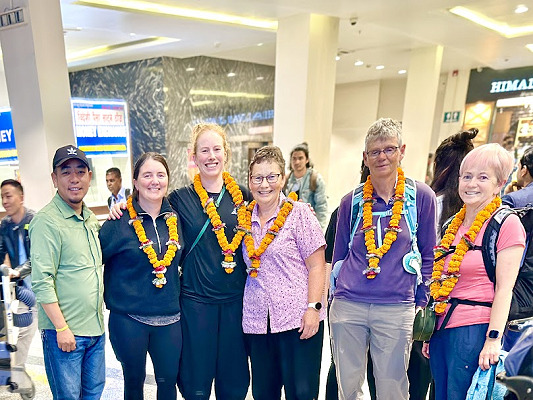
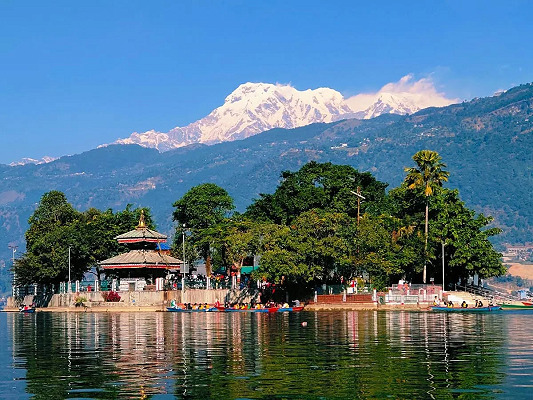
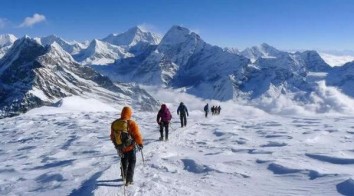
At Nepal Unique Treks, we generally explain Nepal trekking grades in four broad categories: Easy, Moderate, Challenging, and Demanding. These grades help trekkers understand the physical and technical requirements of a route before choosing their adventure.
What Determines the Difficulty of Nepal Trekking?
The difficulty of Nepal trekking is determined by several factors rather than distance alone. Important factors include:
- Daily walking hours and total trekking duration
- Maximum altitude reached
- Number and difficulty of uphill and downhill sections
- Trail conditions and terrain
- High mountain passes
- Weather and seasonal conditions
- Availability of accommodation and food
- Remoteness and access to medical facilities
- Need for acclimatization
- Physical fitness and previous trekking experience
- Technical climbing or mountaineering requirements
A trek at a lower altitude may sometimes be physically demanding because of steep terrain, while a relatively moderate trail can become considerably more difficult at high altitude.
Grade A – Easy Trekking in Nepal
Easy treks are ideal for beginners, families, and travelers who want to experience the Himalayan scenery without undertaking a highly strenuous adventure.
These routes generally involve around 4–6 hours of walking per day on established trails. Accommodation and meals are usually readily available, particularly on popular teahouse trekking routes.
Easy trekking provides an excellent introduction to the mountains, traditional villages, forests, terraced fields, and Himalayan culture.
Popular examples include:
- Ghorepani Poon Hill Trek
- Ghandruk Trek
- Panchase Trek
- Royal Trek
- Jomsom Muktinath Trek
- Helambu Trek
- Shivapuri Trek
These treks can be especially rewarding for first-time visitors looking for a comfortable Trekking in Nepal experience while enjoying spectacular mountain scenery.
Grade B – Moderate Trekking in Nepal
Moderate trekking is suitable for travelers with reasonable fitness and some previous hiking or trekking experience. The trails are more demanding than easy routes and may involve longer walking days, steeper climbs, and higher elevations. Moderate treks often pass through forests, mountain villages, valleys, and alpine landscapes. Trekkers should be prepared for changing weather and the effects of increasing altitude.
Some popular moderate trekking routes include:
- Annapurna Base Camp Trek
- Langtang Valley Trek
- Ganesh Himal Trek
- Rara Lake Trek
The Annapurna Base Camp Trek, for example, combines mountain scenery, traditional villages, forests, and high-altitude landscapes into one of Nepal's most rewarding trekking experiences. Although moderate treks do not necessarily require technical climbing skills, good physical preparation is important. Trekkers should also understand basic altitude awareness and follow the advice of their trekking guide.
Grade C – Challenging Treks in Nepal
Challenging treks require a higher level of physical fitness, preparation, and experience. These routes can involve long walking days, significant elevation gains, remote terrain, high mountain passes, and difficult weather conditions. Some challenging routes may reach altitudes of 5,000 meters or more, and certain itineraries may include optional or technical peak climbing opportunities.
Examples of challenging trekking routes include:
- Everest Base Camp Trek
- Annapurna Circuit Trek
- Makalu Base Camp Trek
- Upper Mustang Trek
- Remote Himalayan treks
Selected high-pass trekking routes
The Everest Base Camp Trek is one of the most famous trekking adventures in Nepal. Although it does not require technical mountaineering to reach Everest Base Camp, the high altitude, long walking days, steep sections, and acclimatization requirements make proper preparation essential.
Likewise, the Manaslu Circuit Trek and Tsum Valley Trek can be challenging because of their remote Himalayan environments, changing terrain, altitude, and longer trekking itineraries. For challenging routes, hiring an experienced trekking guide can make the journey safer and more enjoyable. A professional guide can assist with navigation, accommodation, local communication, altitude awareness, and emergency planning.
Grade D – Demanding Trekking in Nepal
Demanding trekking represents the most strenuous category of trekking adventures. These journeys are generally intended for experienced trekkers with excellent physical fitness, strong mental preparation, and previous experience in high-altitude environments.
Demanding treks may involve:
- Very high altitudes
- Long and consecutive walking days
- Remote and less-developed trails
- Difficult mountain passes
- Challenging weather
- Camping in remote areas
- Technical sections
- Glacier or snow travel
- Peak climbing or mountaineering activities
Examples include:
- Upper Dolpo Trek
- Kanchenjunga Trek
- Dhaulagiri Circuit Trek
- Manaslu high-pass routes
- Ganja La Pass Trek
- Remote western Himalayan treks
- Selected peak-climbing expeditions
These adventures require considerably more preparation than ordinary trekking. Depending on the route, trekkers may need specialized equipment, additional guides and porters, camping arrangements, and appropriate permits. For technical mountain adventures, an experienced climbing guide in Nepal is essential. Trekkers undertaking high-altitude adventures should also be properly informed about altitude sickness, acclimatization, weather, emergency procedures, and the appropriate use of safety equipment.
Teahouse Trekking vs. Camping Trekking
Another important factor when considering Nepal trekking grades is the style of trekking.
Teahouse Trekking
Teahouse trekking is the most popular style of trekking in Nepal. Trekkers stay in locally operated lodges or teahouses along the route and can usually purchase meals at these establishments. Popular destinations such as Everest Region Trekking, Annapurna Region Trek, and Langtang Region Trek offer extensive teahouse networks.
Camping Trekking
Camping trekking is more common on remote and less-developed routes where accommodation is unavailable or limited. A camping trek requires a larger logistical arrangement, including tents, sleeping equipment, cooking facilities, food supplies, porters, and a support crew. Because of this, camping treks can be more demanding even when the walking distance itself is not extreme.
Trekking Permits in Nepal
Before starting a trek, travelers should check the permits and regulations required for their chosen region. Trekking permits in Nepal vary depending on the destination, conservation area, national park, and whether the route lies in a restricted area. Some remote trekking regions have additional regulations and may require trekkers to travel with a registered guide or obtain special permits.
Because permit requirements can change, trekkers should confirm the latest requirements before departure and make sure all necessary permits are arranged correctly. At Nepal Unique Treks, we can assist trekkers with the necessary permits and logistical arrangements for their selected itinerary.
Altitude and Acclimatization
Altitude is one of the most important considerations when assessing the difficulty of a Himalayan trek. As trekkers ascend, the amount of available oxygen decreases, increasing the risk of altitude-related problems. A well-designed itinerary therefore includes appropriate acclimatization days and gradual elevation gain.
Trekkers should never underestimate altitude simply because they are physically fit. Even experienced hikers can experience altitude-related problems. Following a responsible itinerary, staying hydrated, walking at a comfortable pace, and listening to your trekking guide are important parts of a safe high-altitude adventure.
Peak Climbing in Nepal
For travelers looking for an experience beyond trekking, Peak Climbing in Nepal offers the opportunity to combine trekking with mountaineering. Nepal has numerous permitted trekking peaks and climbing objectives, ranging from relatively accessible peaks to technically demanding Himalayan summits.
Peak climbing generally requires a higher level of preparation than ordinary trekking. Depending on the mountain, climbers may need crampons, harnesses, ropes, ice axe skills, glacier-travel knowledge, and previous mountaineering experience. Choosing a qualified climbing guide in Nepal is particularly important for technical peaks and high-altitude climbing.
Best Season for Nepal Trek
The best season for Nepal trek depends on the destination and altitude, but autumn and spring are generally considered the most favorable periods for many trekking routes.
- Autumn (September–November) usually offers stable weather, clear mountain views, and comfortable trekking conditions.
- Spring (March–May) is another excellent season, with relatively stable weather, warmer temperatures, blooming rhododendrons, and beautiful mountain landscapes.
Winter can be suitable for lower-altitude treks, while some high-altitude routes may become difficult or inaccessible because of snow and extreme cold. The monsoon season can bring rain, clouds, and muddy trails in many regions, although rain-shadow destinations such as Upper Mustang and parts of Dolpo can offer alternative trekking opportunities.
Best Season for Peak Climbing in Nepal
The best season for peak climbing in Nepal depends on the particular mountain and route. In general, spring and autumn are among the most favorable periods for many climbing objectives because of better weather and mountain conditions.
However, climbers should always check the specific conditions of their chosen peak before planning an expedition. High-altitude weather can change rapidly, and climbing conditions can vary considerably from one mountain to another.
Trekking in Nepal for Every Experience Level
One of the greatest advantages of trekking in Nepal is the diversity of available adventures. Beginners can enjoy relatively easy Himalayan walks, while experienced trekkers can explore remote valleys, high mountain passes, and demanding high-altitude routes.
Whether you are interested in the Everest Base Camp Trek, Annapurna Base Camp Trek, Manaslu Circuit Trek, Tsum Valley Trek, Upper Mustang, Dolpo, Kanchenjunga, or a peak-climbing expedition, selecting a route that matches your fitness, experience, available time, and expectations is essential.
The grading system is a useful guideline, but every trekker is different. Weather, altitude, trail conditions, itinerary, and individual fitness can significantly influence the actual difficulty of a trek.
Plan Your Himalayan Adventure with Nepal Unique Treks
Choosing the right trek is the first step toward a successful Himalayan adventure. At Nepal Unique Treks, we help travelers select trekking and climbing itineraries based on their experience, fitness, interests, available time, and desired level of adventure. From beginner-friendly village walks to high-altitude expeditions, our experienced team can help with itinerary planning, trekking permits in Nepal, transportation, accommodation, guides, porters, equipment, and other necessary arrangements.
Whether your dream is to experience the Everest Base Camp Trek, explore the Annapurna region, complete the Manaslu Circuit Trek, discover the remote Tsum Valley, or undertake Peak Climbing in Nepal, choosing the appropriate trekking grade and preparing properly can make your Himalayan journey safer, more comfortable, and more memorable. Your adventure begins with choosing the right trail. Let Nepal Unique Treks help you discover Nepal one mountain path at a time.