Off the beaten trails in Nepal offer an exciting way to explore the Himalayas beyond the country’s famous Everest Base Camp and Annapurna trekking routes. For travelers looking for off the beaten path Nepal experiences, the country is home to hidden valleys, remote mountain communities, ancient monasteries, peaceful forests, high-altitude lakes, and spectacular Himalayan landscapes.
Offbeat trekking in Nepal is ideal for travelers who want to experience the mountains away from busy trails. From the culturally rich Tsum Valley Trek and remote Nar Phu Valley Trek to the wilderness of the Upper Dolpo Trek, Kanchenjunga Base Camp Trek, and Makalu Base Camp Trek, these routes provide opportunities for authentic encounters with local communities and traditional Himalayan lifestyles.
Many of these hidden trails in Nepal pass through areas where tourism infrastructure is still limited. Trekkers can discover hidden treks in Nepal such as the Ruby Valley Trek, Lumba Sumba Pass Trek, Panch Pokhari Trek, Rolwaling Trek, Dhaulagiri Circuit Trek, and Rara Lake Trek. These lesser-known routes are excellent choices for travelers searching for less crowded treks in Nepal, quiet Himalayan scenery, and more intimate mountain experiences.
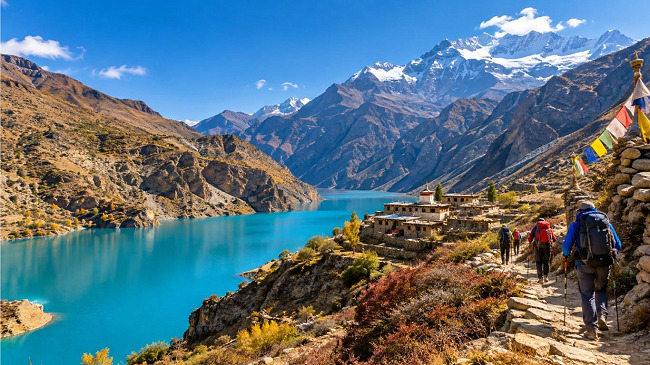
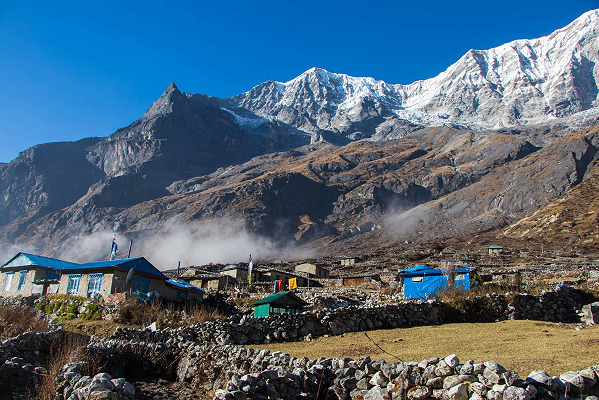
One of the main attractions of remote trekking in Nepal is the opportunity to experience landscapes and cultures that are less influenced by mass tourism. The trails often lead through remote Himalayan villages, traditional settlements, Buddhist monasteries, rhododendron forests, alpine meadows, and dramatic mountain passes.
For those seeking undiscovered places in Nepal or Nepal hidden gems, destinations such as Dolpo, Kanchenjunga, Rara, Khaptad, and Lumba Sumba offer a different perspective of the country. These Nepal remote trails can provide peaceful walking conditions, spectacular photography opportunities, and genuine connections with local communities.
The best off the beaten path treks in Nepal vary considerably in difficulty and character. Some, such as Pikey Peak Trek, Mohare Danda Trek, Khopra Ridge Trek, and Sikles Trek, can be suitable alternatives for travelers who want shorter and relatively accessible adventures. Others, including Upper Dolpo, Kanchenjunga, Dhaulagiri, Makalu, and Lumba Sumba, are demanding wilderness journeys better suited to experienced trekkers.
Many lesser-known treks in Nepal combine adventure with cultural discovery. Himalayan village trekking in Nepal allows visitors to stay in or pass through traditional villages while learning about local customs, food, architecture, religion, and mountain lifestyles.
The Tsum Valley Trek, for example, is particularly attractive to travelers interested in Buddhist monastery trekking in Nepal and Tibetan-influenced culture. Similarly, the Nar Phu Valley Trek provides an opportunity to explore remote settlements and experience the distinctive cultural heritage of the high Himalayas.
For travelers interested in Tibetan culture trekking, traditional villages in Nepal, remote mountain communities, and community trekking, these routes provide some of the most rewarding authentic Himalayan trekking experiences.
Some of the most interesting alternative treks in Nepal include:
Tsum Valley Trek: A culturally rich journey through remote Himalayan villages and Buddhist monasteries.
Nar Phu Valley Trek: A remote adventure through dramatic valleys and traditional settlements.
Kanchenjunga Base Camp Trek: A challenging wilderness trek toward the base of Mount Kanchenjunga.
Upper Dolpo Trek: An isolated Himalayan adventure known for its rugged landscapes and Tibetan Buddhist culture.
Lower Dolpo Trek: A remote journey featuring mountain landscapes, villages, and high passes.
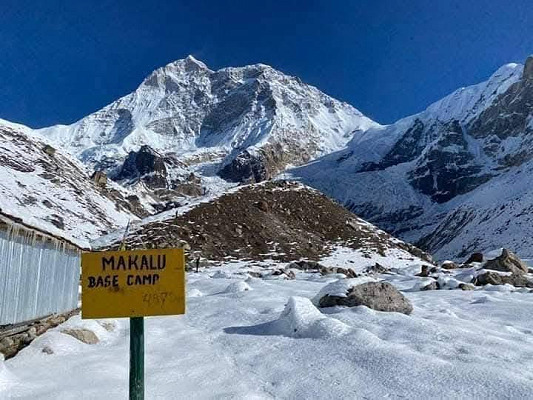
Makalu Base Camp Trek: A demanding route through diverse terrain toward Mount Makalu.
Ruby Valley Trek: A relatively quiet route combining mountain scenery with rural and cultural experiences.
Khopra Ridge Trek: A scenic alternative in the Annapurna region with impressive Himalayan views.
Pikey Peak Trek: A shorter Himalayan adventure known for panoramic mountain views.
Mohare Danda Trek: A community-oriented route through forests, villages, and mountain landscapes.
Rara Lake Trek: A remote western Nepal adventure centered around the beautiful Rara Lake.
Khaptad Trek: A peaceful journey through forests, hills, and the natural landscapes of far-western Nepal.
Tamang Heritage Trail: A cultural trekking route through traditional Tamang communities.
Sikles Trek: A village-based trek offering cultural experiences and Himalayan scenery.
Panch Pokhari Trek: A remote route leading to a group of sacred high-altitude lakes.
Lumba Sumba Pass Trek: A challenging wilderness route connecting remote areas of eastern Nepal.
Dhaulagiri Base Camp Trek: An adventurous high-altitude journey around the Dhaulagiri massif.
Rolwaling Trek: A remote Himalayan experience through the dramatic Rolwaling Valley.
Manaslu Tsum Valley Trek: A combination of two spectacular and culturally rich trekking areas.
Mardi Himal Trek: A popular alternative route that can still provide quieter experiences away from the busiest trails.
Travelers searching for an alternative to Everest Base Camp Trek can consider Pikey Peak, Makalu Base Camp, Kanchenjunga, or Rolwaling depending on their experience and desired level of remoteness.
Likewise, trekkers looking for an alternative to Annapurna Circuit can explore Nar Phu Valley, Ruby Valley, Dhaulagiri Circuit, Khopra Ridge, or Manaslu and Tsum Valley. These routes can provide spectacular mountain scenery while offering different cultural and wilderness experiences.
For people specifically searching for Nepal trekking without crowds, it is important to remember that remoteness often comes with fewer lodges, limited transportation, longer walking days, and more demanding logistics.
The best time for offbeat trekking in Nepal generally depends on the region, altitude, and route. Spring and autumn are traditionally favorable seasons for many Himalayan trekking routes because of relatively stable weather and good mountain visibility. However, some lower-altitude and rain-shadow destinations have different seasonal advantages.
Before choosing an itinerary, trekkers should research Nepal trekking seasons, Nepal trekking weather, altitude profiles, trail conditions, and local permit requirements. Routes in remote areas can be more sensitive to weather than established trekking corridors.
Some unexplored trekking routes in Nepal are located in restricted or protected areas. Depending on the destination, trekkers may need special permits, conservation-area permits, national-park permits, and/or a TIMS card. Certain restricted areas also have specific Nepal trekking guide requirements.
It is therefore important to check current regulations before departure rather than assuming that the requirements for one trekking region apply to another. A qualified remote trekking Nepal guide can also be valuable on isolated routes where navigation, accommodation, transportation, communication, and emergency support may be more complicated.
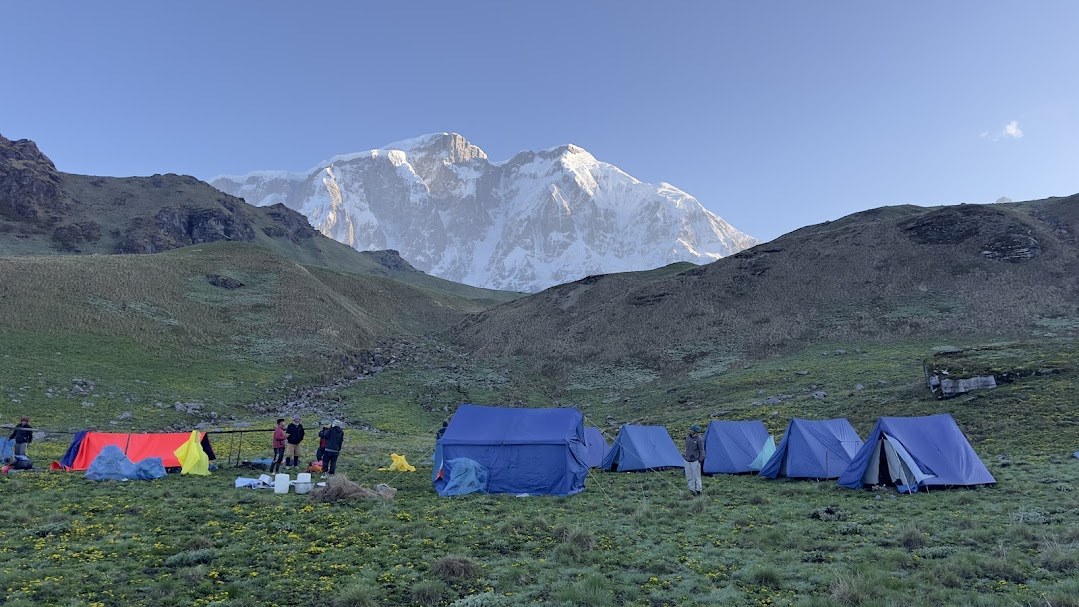
Nepal trekking accommodation ranges from teahouses and community lodges to camping in remote wilderness areas. Popular alternative routes may have established teahouses, while more isolated destinations such as parts of Dolpo, Kanchenjunga, Makalu, and Dhaulagiri may require camping support.
Remote trek Nepal transportation can also involve long road journeys, domestic flights, or combinations of road and air travel. Trekkers should build flexibility into their offbeat trekking Nepal itinerary, particularly when traveling to remote mountain regions.
The difficulty of remote trekking in Nepal varies from moderate village walks to technically demanding high-altitude expeditions. Altitude, weather, trail conditions, duration, remoteness, and availability of services should all be considered when selecting a route.
For Nepal trekking for experienced hikers, wilderness routes such as Upper Dolpo, Kanchenjunga, Dhaulagiri, Makalu, and Lumba Sumba can provide exceptional adventure. However, appropriate acclimatization, preparation, equipment, travel insurance, and knowledge of Nepal high altitude trekking safety are essential.
A proper Nepal trekking packing list should be adapted to the individual route and season, with particular attention to clothing layers, footwear, sleeping equipment, navigation, first-aid supplies, water treatment, sun protection, and high-altitude conditions.
Choosing sustainable trekking in Nepal can help support local communities and protect fragile mountain environments. Travelers can contribute by using local guides and porters, staying in community-run accommodation where available, minimizing plastic waste, respecting local customs, avoiding damage to natural and cultural sites, and following responsible trekking practices.
Eco-friendly trekking in Nepal is particularly important on remote trails where waste-management infrastructure may be limited. Responsible travel helps preserve the landscapes and cultures that make these lesser-known Himalayan destinations so special.
The best hidden trekking routes in Nepal are not simply alternatives to crowded trails; they are opportunities to experience another side of the Himalayas. From remote valleys and alpine lakes to traditional villages, Buddhist monasteries, mountain passes, and untouched wilderness, these quiet Himalayan treks offer diverse opportunities for adventure and cultural exploration.
Whether you are looking for peaceful trekking routes in Nepal, secluded mountain trails, authentic Nepal travel experiences, Nepal wilderness trekking routes, or unique Nepal trekking itinerary ideas, the country's offbeat destinations provide plenty of possibilities.
With careful preparation, appropriate permits, responsible travel practices, and a suitable itinerary, off the beaten path Nepal can deliver some of the most memorable and rewarding trekking experiences in the Himalayas.

 WhatsApp
 Plan Your Trip