Nepal Unique Treks

Lower Dolpo trek - 18 Days

5(149)
Lower Dolpo trek - 18 Days
    Trip Facts
    Duration18 Days
    Accommodation:Hotel, Lodge and Camp
    Max Elevation5190 m
    Grade:Adventures
    Activity:Trekking
    Transportation:Flight, Jeep
    Treks Type:Camp, Camp
    Best Season:Autumn and Spring

    Lower Dolpo Trek Overview

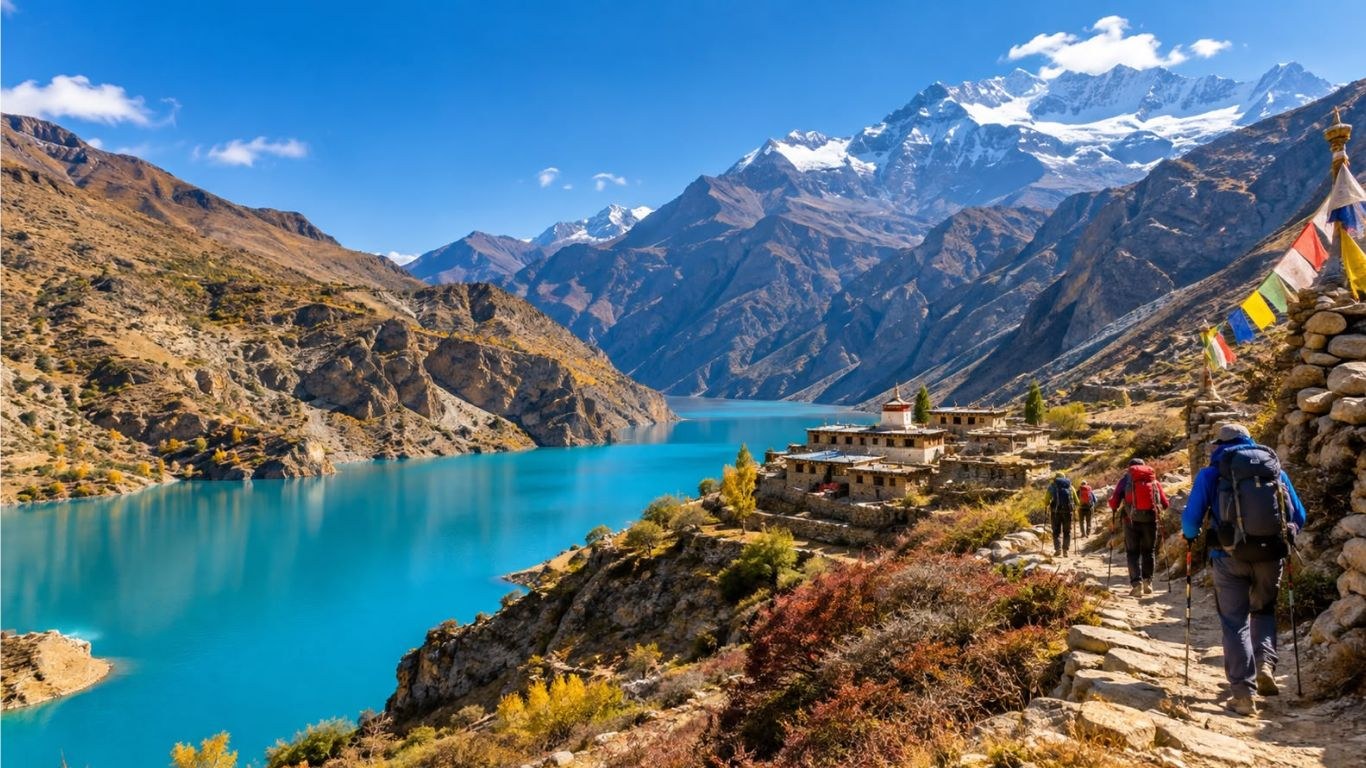
    The Lower Dolpo Trek is one of the most fascinating off-the-beaten-path trekking experiences in Nepal, taking adventurous travelers deep into the remote landscapes of western Nepal. Far from the busy trails of the Everest Region Trekking and Annapurna Region Trekking, Lower Dolpo offers a quieter Himalayan experience surrounded by dramatic mountains, deep valleys, ancient villages, Buddhist monasteries, forests, and the spectacular turquoise waters of Phoksundo Lake.

    Located within and around Shey-Phoksundo National Park, the trek combines rugged Himalayan scenery with the distinctive culture and traditions of the Dolpo region. The Nepal Tourism Board lists trekking and mountaineering among the park's activities and highlights Phoksundo Lake, traditional villages, monasteries, and the area's rich wildlife and biodiversity.
    For travelers looking beyond the classic routes, Lower Dolpo is an excellent choice for trekking in Nepal. It provides a genuine wilderness experience where the journey itself is as important as the destination.

    A Journey into Remote Western Nepal

    • Lower Dolpo is different from the more developed trekking destinations of Nepal. Trails are quieter, settlements are scattered, and much of the journey passes through remote mountain terrain. The landscape changes dramatically as the trail moves from lower forested valleys toward high alpine terrain.
    • A typical Lower Dolpo adventure can include spectacular views of the Himalayan range, pine and juniper forests, rugged cliffs, traditional villages, Buddhist cultural sites, and the unforgettable Phoksundo Lake.
    • The region is also known for its diverse wildlife. Shey-Phoksundo National Park is home to species including Himalayan tahr, musk deer, Himalayan black bear, blue sheep, ghoral, marmot, and other Himalayan wildlife. The park also records more than 200 species of birds.

    Phoksundo Lake, The Highlight of Lower Dolpo

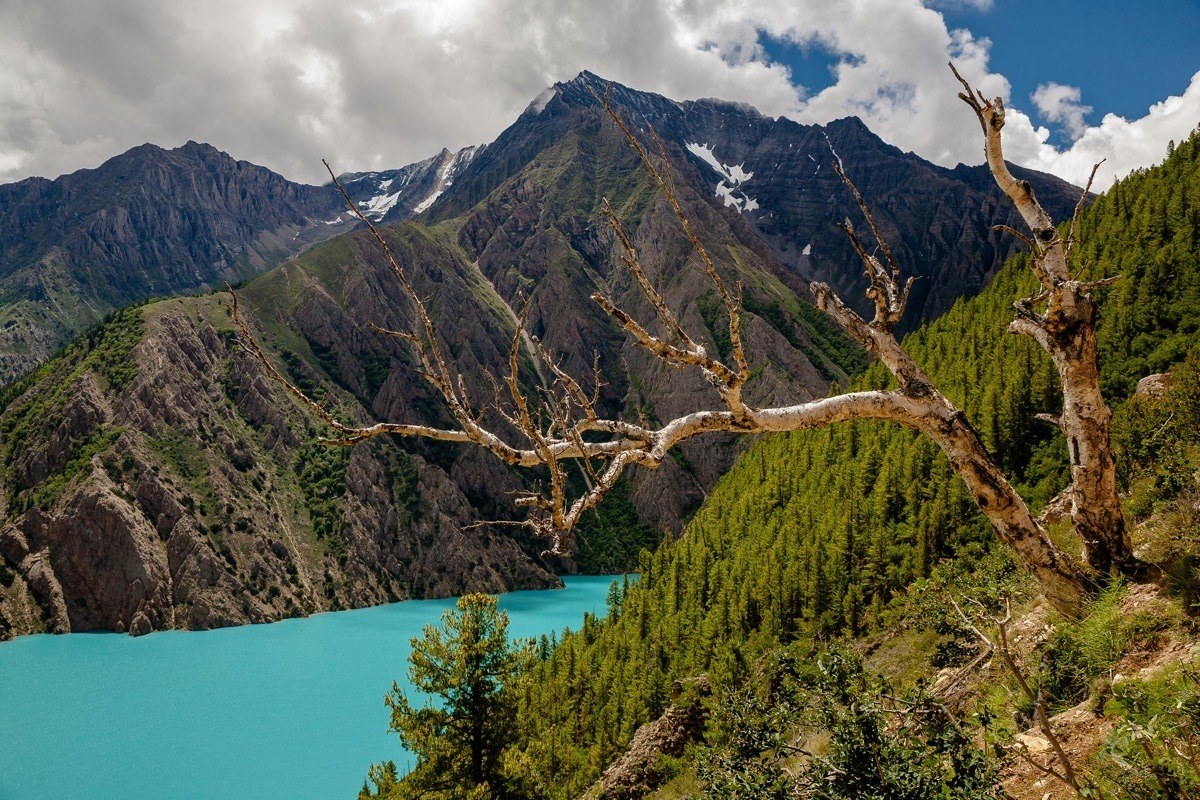
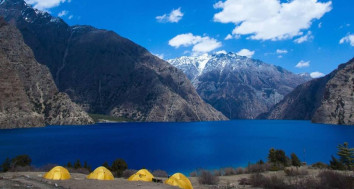
    • One of the greatest attractions of the Lower Dolpo Trek is Phoksundo Lake, famous for its striking blue and turquoise colors and spectacular mountain surroundings.
    • The journey to the lake passes through dramatic Himalayan scenery before reaching the traditional settlement of Ringmo and the shores of Phoksundo. The combination of the lake, surrounding cliffs, waterfalls, forests, and traditional architecture creates one of the most memorable landscapes in Nepal.
    • For photographers, nature lovers, hikers, and travelers searching for something beyond conventional Himalayan routes, Phoksundo is a major reason to explore Lower Dolpo.

    Culture and Traditional Himalayan Life

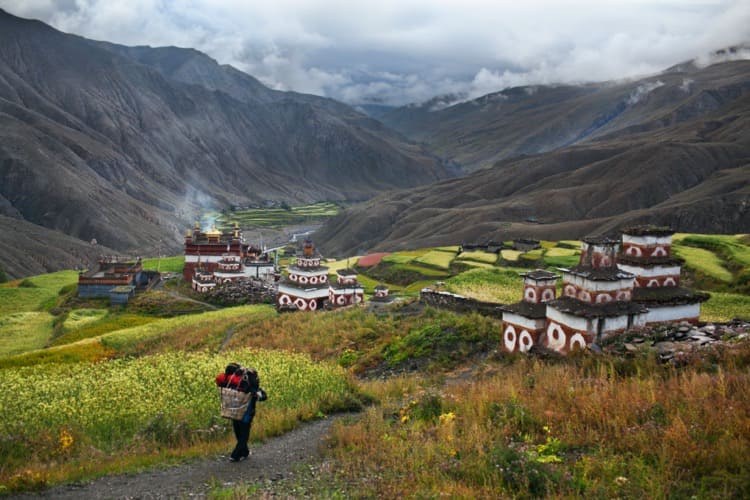
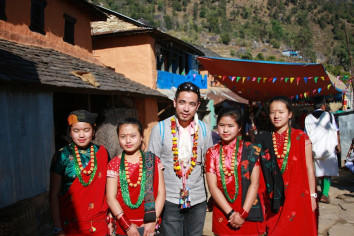
    • Lower Dolpo is not only a mountain adventure; it is also a cultural journey. The region preserves traditional Himalayan lifestyles influenced by Tibetan Buddhism and centuries-old mountain traditions.
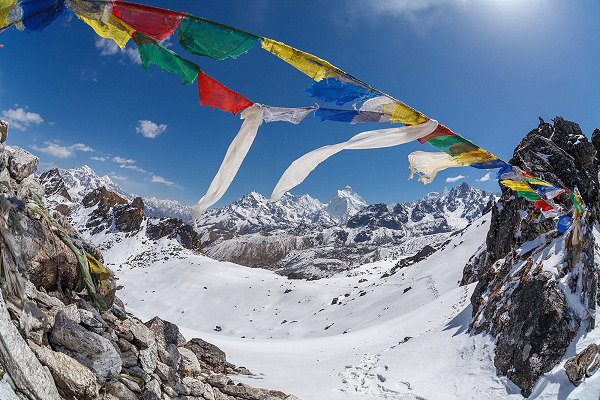
    • Travelers may encounter traditional villages, Buddhist monasteries, prayer flags, mani walls, chortens, and local communities whose lives remain closely connected to the mountains.
    • Compared with heavily visited destinations, the remote nature of Dolpo provides a more intimate opportunity to observe traditional Himalayan culture while traveling responsibly and respectfully.

    Trekking in Nepal Beyond the Popular Routes

    Nepal is internationally known for destinations such as Everest Region Trekking, Annapurna Region Trekking, Manaslu Circuit Trek, and Mustang Region Trekking. These areas offer spectacular scenery and well-established trekking routes.

    Lower Dolpo provides a different experience.

    While Everest is famous for its legendary mountain scenery and base camp, Annapurna offers extraordinary landscape diversity, and Manaslu combines dramatic mountains with cultural encounters, Dolpo is particularly attractive to travelers looking for remote trekking in Nepal, wilderness, solitude, and traditional Himalayan communities.
    This makes Lower Dolpo an excellent option for experienced hikers who want to explore a less-commercialized side of the country.

    Hiking in Nepal: What Makes Lower Dolpo Special?

    • For people interested in hiking in Nepal, Lower Dolpo offers more than a simple mountain walk. The trail involves long walking days, significant elevation changes, rugged paths, river crossings, and remote camping areas.
    • The trek rewards physical effort with extraordinary scenery and a strong sense of wilderness.
    • Unlike short hiking routes around Kathmandu or Pokhara, Lower Dolpo requires careful preparation and logistical planning. Trekkers should be prepared for changing weather, limited facilities, remote locations, and high-altitude conditions.
    • A professional trekking guide can make a significant difference by assisting with navigation, accommodation or camping arrangements, local communication, safety, and daily trekking logistics.
       

    Short Itinerary

    Day 1 :
    Arrival in Kathmandu (1,400m/4,593ft)
    Day 2 :
    Lower Dolpo Trek Permit Preparation and Kathmandu Sightseeing
    Day 3 :
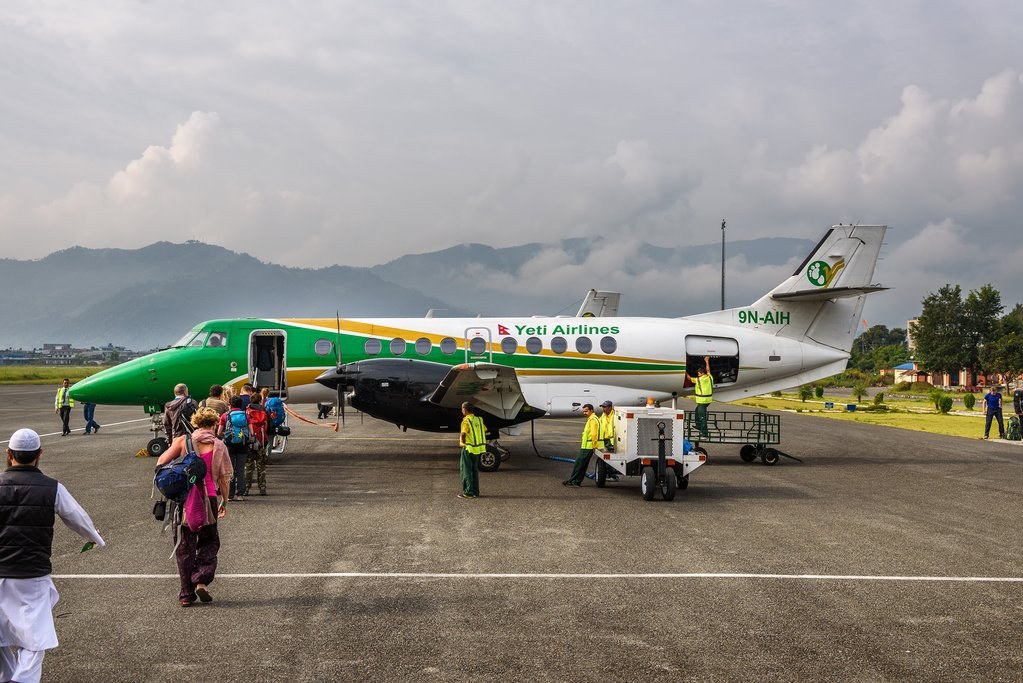
    Flight from Kathmandu (1,400m/4,593ft) to Nepalgunj (150m/492ft)
    Day 4 :
    Flight from Nepalgunj (150m/492ft) to Juphal (2,502m/8,208ft), then Trek to Dunai (2,850m/9,350ft)
    Day 5 :
    Trek from Dunai (2,850m/9,350ft) to Tarakot (2,543m/8,343ft)
    Day 6 :
    Trek from Tarakot (2,543m/8,343ft) to Laini (3,160m/10,367ft)
    Day 7 :
    Trek from Laini (3,160m/10,367ft) to Nawarpani (3,545m/11,630ft)
    Day 8 :
    Trek from Nawarpani (3,545m/11,630ft) to Dho Tarap (4,090m/13,418ft)
    Day 9 :
    Acclimatization Day in Dho Tarap (4,090m/13,418ft)
    Day 10 :
    Trek from Dho Tarap (4,090m/13,418ft) to Numa La Base Camp (4,440m/14,566ft)
    Day 11 :
    Trek from Numa La Base Camp (4,440m/14,566ft) to Penung Tang (4,465m/14,648ft) via Numa La Pass (5,190m/17,027ft)
    Day 12 :
    Trek from Penung Tang (4,465m/14,648ft) to Dajok Tang (4,080m/13,385ft) via Baga La Pass (5,070m/16,633ft)
    Day 13 :
    Trek from Dajok Tang (4,080m/13,385ft) to Ringmo (3,600m/11,811ft)
    Day 14 :
    Trek from Ringmo (3,600m/11,811ft) to Phoksundo Lake (3,611m/11,847ft)
    Day 15 :
    Trek from Phoksundo Lake (3,611m/11,847ft) to Shyanta (2,520m/8,267ft)
    Day 16 :
    Trek from Shyanta (2,520m/8,267ft) to Juphal (2,320m/7,611ft)
    Day 17 :
    Flight from Juphal (2,320m/7,611ft) to Nepalgunj (150m/492ft), then Kathmandu (1,400m/4,593ft)
    Day 18 :
    Final Departure

    Details Itinerary

    Upon arrival at Tribhuvan International Airport, a Nepal Unique Treks representative will greet you and transfer you to your hotel in Kathmandu. Depending on your arrival time, take the rest of the day to relax, recover from jet lag, or explore the lively streets of Thamel. In the evening, join your guide for a welcome dinner and a briefing covering the trek route, packing essentials, and what to expect in the restricted Dolpo region.
     

    Accomodation: Hotel
    Elevation: 1400 m

    Since Dolpo is a restricted area, today is dedicated to finalizing your special trekking permit and Shey Phoksundo National Park entry permit  both require processing time and original passport documents. While our team handles the paperwork, enjoy a guided sightseeing tour of Kathmandu's UNESCO World Heritage Sites, such as Swayambhunath (Monkey Temple), Pashupatinath Temple, and Boudhanath Stupa. In the afternoon, do a final gear check and pack for the trek.


    Food: Breakfast
    Accomodation: Hotel
    Elevation: 1400 m

    A short domestic flight (approx. 1 hour) takes you from the hills of Kathmandu down to the subtropical lowlands of Nepalgunj, near the Indian border. This overnight stop positions you for the early morning mountain flight to Dolpo. The drop in altitude and rise in temperature is noticeable a good chance to rest before the trek begins.


    Food: Breakfast, Lunch and Dinner
    Accomodation: Lodge
    Elevation: 150 m.

    An early, scenic mountain flight (around 45 minutes) brings you into Juphal, the gateway airstrip to Dolpo, with views of the Dhaulagiri range along the way. From Juphal, begin trekking on a gently descending trail through terraced fields and pine forest along the Bheri River to Dunai, the district headquarters of Dolpo. Trekking time: approx. 2–3 hours.


    Food: Breakfast, Lunch and Dinner
    Accomodation: Teahouse
    Elevation: 2850 m.

    The trail follows the Bheri River valley westward, passing through small settlements, farmland, and forested sections before reaching Tarakot, home to the historic Sandul Gompa and old fort ruins overlooking the valley. Trekking time: approx. 5–6 hours.

    Food: Breakfast, Lunch and Dinner
    Accomodation: Teahouse
    Elevation: 2543 m.

    Today's trail turns north along the Tarap Khola gorge, crossing suspension bridges and narrow cliffside paths through a dramatic, narrowing valley. The scenery becomes progressively wilder and more remote as you gain elevation toward Laini. Trekking time: approx. 6–7 hours.

    Food: Breakfast, Lunch and Dinner
    Accomodation: Teahouse
    Elevation: 3160 m.

    Continue following the Tarap Khola upstream through a steep, forested gorge. This section includes several stream crossings and narrow trail sections cut into cliffs one of the more adventurous stretches of the trek. Nawarpani offers a peaceful riverside camp. Trekking time: approx. 5 hours.

    Food: Breakfast, Lunch and Dinner
    Accomodation: Teahouse
    Elevation: 3545 m.

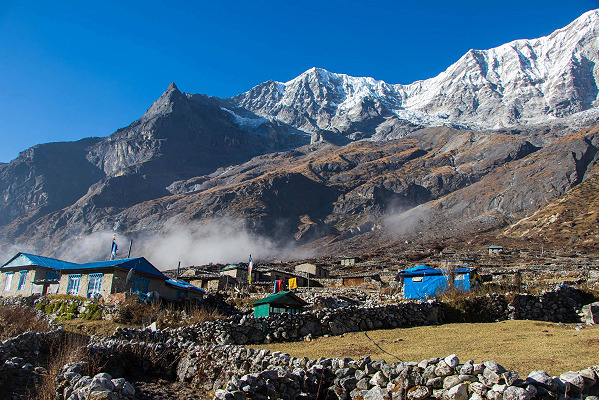
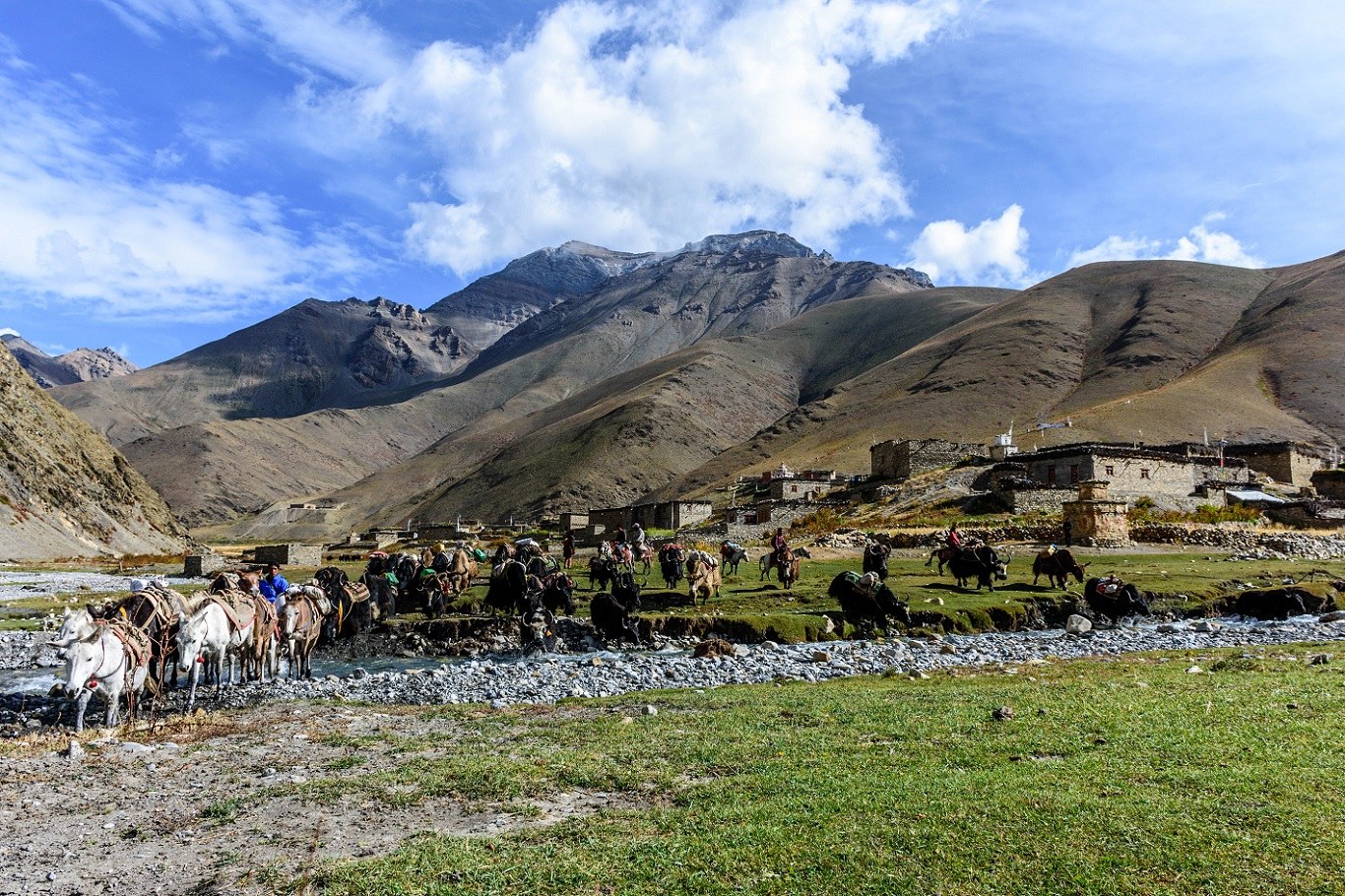
    The valley gradually opens up as you leave the gorge behind and enter the high, arid Tarap Valley, your first real taste of Dolpo's trans-Himalayan, Tibetan-style landscape. Dho Tarap is a fascinating settlement inhabited by both Tibetan Buddhist and Bon-po communities, with chortens, prayer flags, and traditional stone houses. Trekking time: approx. 6–7 hours.

    Food: Breakfast, Lunch and Dinner
    Accomodation: Teahouse
    Elevation: 4090 m.

    A rest day built in for safe acclimatization before heading higher. Use the day to explore Dho Tarap's Bon and Buddhist gompas, meet local Dolpo-pa herders, and take an optional short acclimatization hike onto the surrounding ridges for mountain views. This is an important day for adjusting to the thinning air before the high passes ahead.

    Food: Breakfast, Lunch and Dinner
    Accomodation: Teahouse
    Elevation: 4090 m.

    Leaving Dho Tarap, the trail climbs steadily through open, high-altitude grazing pastures where you may spot herds of yak and blue sheep. The landscape becomes increasingly barren and mountainous as you approach the base camp beneath Numa La. Trekking time: approx. 6–7 hours.

    Food: Breakfast, Lunch and Dinner
    Accomodation: Camp
    Elevation: 4470 m.

    One of the toughest and most rewarding days of the trek. A steep, sustained climb leads to the top of Numa La, the trek's high point, where sweeping panoramas of Mt. Dhaulagiri, Norbung Kang, and Churen Himal unfold across the barren Dolpo landscape. After time at the summit for photos, descend along the Gyambo Khola to camp at Penung Tang. Trekking time: approx. 6–7 hours.

    Food: Breakfast, Lunch and Dinner
    Accomodation: Camp
    Elevation: 5190 m

    A second high-altitude crossing, Baga La rewards climbers with stunning views of Mt. Kanjiroba and the surrounding snow peaks. From the pass, the trail descends into greener terrain, gradually easing as you approach Dajok Tang. Trekking time: approx. 6 hours.

    Food: Breakfast, Lunch and Dinner
    Accomodation: Teahouse
    Elevation: 5070 m.

    A comparatively shorter and easier day, descending through pine, cypress, and juniper forest with views of dramatic cliffs and waterfalls. Ringmo is a traditional Bon-po village and the gateway to Phoksundo Lake. Trekking time: approx. 3–4 hours.

    Food: Breakfast, Lunch and Dinner
    Accomodation: Teahouse
    Elevation: 3600 m.

    A short, gentle day exploring the area around the stunning turquoise waters of Phoksundo Lake, Nepal's deepest lake and the centerpiece of Shey Phoksundo National Park. Visit the lakeshore, the dramatic Phoksundo waterfall (one of Nepal's highest), and the ancient Bon monastery above Ringmo village.

    Food: Breakfast, Lunch and Dinner
    Accomodation: Teahouse
    Elevation: 3611 m.

    Begin the return journey, descending along the Phoksundo Khola through changing vegetation zones from alpine terrain back into pine and fir forest with the trail hugging dramatic river gorges and cliffs. Trekking time: approx. 5–6 hours.


    Food: Breakfast, Lunch and Dinner
    Accomodation: Lodge
    Elevation: 2520 m.

    The final trekking day follows the Suli Gad and Bheri river valleys back through familiar lower-altitude villages and terraced farmland to Juphal, completing the loop back to the airstrip. Trekking time: approx. 4–5 hours.

    Food: Breakfast, Lunch and Dinner
    Accomodation: Lodge
    Elevation: 2320 m.

    An early morning flight takes you from Juphal back to Nepalgunj, connecting onward the same day to Kathmandu. Enjoy a hot shower, a good meal, and some well-earned rest back in the capital. A farewell dinner in the evening is a great way to celebrate the completed trek.

    Food: Breakfast, Lunch and Dinner
    Accomodation: Hotel
    Elevation: 1400 m

    Depending on your international flight schedule, enjoy some free time for last-minute shopping in Thamel or relaxation before our representative transfers you to Tribhuvan International Airport for your departure flight.

    Food: Breakfast
    Elevation: 1400 m

    Services Included on Price

    Regular PackageUSD 2,195 per person

    Regular Package Service Includes

    • Airport transfers in Kathmandu according to the itinerary
    • Domestic flights required for the trek, such as Kathmandu to Nepalgunj, Juphal and return, as specified in the package
    • Experienced, licensed English-speaking trekking guide
    • Porters to carry trekking equipment and personal baggage
    • Guide and porter accommodation, meals, salary, insurance, and equipment
    • Trekking permits and conservation-area/national-park fees required for the itinerary
    • Restricted-area trekking permit for Lower Dolpo
    • 2 Night, accommodation in Kathmandu, including Breakfast
    • Teahouse/lodge and Camping accommodation during the Trek
    • If you like fully Tented accommodation, we will provide comfortable mattresses,Warm enough sleeping bags, kitchen equipment, and dining arrangements for camping sections
    • Three meals a day, Breakfast, Lunch and Dinner during the trek, 
    • Sleeping bag and down jacket, if provided by the trekking company
    • Basic first-aid kit for all staff and clients 
    • Necessary government taxes and service charges
    • Trekking staff insurance and equipment
    • Trip management and necessary logistical support

    Regular Package Service Excludes

    • International flights to and from Nepal
    • Nepal tourist visa fees
    • Travel and medical insurance
    • Emergency helicopter evacuation and rescue costs
    • Horse riding, extra porter will be paied by clients directly on Trek 
    • Personal expenses such as laundry, phone calls, internet, and charging
    • Bottled water, alcoholic drinks, soft drinks, and extra beverages
    • Personal trekking equipment and clothing
    • Tips for guides, porters, and other trekking staff
    • Extra accommodation or meals caused by flight delays, bad weather, natural disasters, or itinerary changes
    • Additional costs resulting from unforeseen circumstances

    Note: Nepal Unique Treks will make every effort to assist clients during the Lower Dolpo Trek and domestice flight delays, weather disruptions, natural disasters, or other unforeseen situations. However, any additional expenses incurred will be the responsibility of the client.

    Traveller Useful Information

    Choosing the right season is particularly important for a remote trek such as Lower Dolpo.
    The Nepal Tourism Board identifies March to May and September to October as the best seasons for visiting Shey-Phoksundo National Park.

    Spring – March to May

    Spring brings warmer temperatures, improving trail conditions, and fresh vegetation. It is a beautiful period for trekking through forests and alpine landscapes.

    Autumn – September to October

    Autumn generally provides clear Himalayan views following the monsoon period and is one of the most popular periods for trekking in Nepal.

    Summer and Monsoon

    Weather conditions can affect access and trail conditions, particularly on lower approaches. River levels and rainfall can make some sections more challenging, so current conditions should be considered before departure.

    Winter Season 

    Winter brings freezing temperatures and the possibility of snow at higher elevations. Trekkers considering Lower Dolpo during colder months need to be particularly well prepared.
    Therefore, when researching the best time to do trek in Nepal, the ideal season depends on the specific region and route. Lower Dolpo is best planned around suitable weather and current trail conditions rather than applying the same trekking season to every part of Nepal.
     

    • The Lower Dolpo Trek is considered a demanding Himalayan trekking adventure. It is more suitable for trekkers who have previous multi-day trekking experience or who are adequately prepared for long days in remote mountain environments.
    • The difficulty comes not only from altitude but also from the remoteness of the region, rugged trails, limited infrastructure, and changing mountain weather.
    • Proper acclimatization, physical preparation, suitable equipment, travel insurance, and experienced support staff are important elements of a safe and enjoyable journey.
    • The Department of National Parks and Wildlife Conservation also emphasizes the importance of taking altitude sickness seriously and descending when symptoms persist or worsen.
       
    • Lower Dolpo falls within Nepal's regulated trekking areas, so the necessary permits should be arranged before beginning the trek.
    • According to the current Department of Immigration information, the Lower Dolpa trekking permit is USD 10 per person per week. The application requires documentation from a licensed trekking agency, along with trekking-program and trekker information and other required documents.
    • Permit regulations can change, so trekkers should always confirm the latest requirements before traveling.
       

    Organizing a remote Himalayan trek is very different from booking a standard sightseeing tour. Transportation, permits, guides, porters, accommodation, camping equipment, food supplies, domestic flights, weather conditions, and emergency planning all need to be considered.
    Working with a Local Trekking Agency in Nepal gives travelers access to local experience and practical knowledge of trekking conditions.


    A reliable agency can arrange:

    • Trekking permits and required documentation
    • Experienced Trekking Guide
    • Local porters and support staff
    • Domestic transportation and flights
    • Accommodation and camping logistics
    • Meals during the trek
    • Trekking equipment where required
    • Route planning and acclimatization
    • Emergency and evacuation coordination
    • Kathmandu hotel and airport transfers
    • Pre-trek briefing and preparation
       
    • Nepal Unique Treks is a local trekking agency in Nepal based in Kathmandu, specializing in trekking, tours, peak climbing, and Himalayan adventure experiences.
    • Our team understands that every traveler has different expectations. Some guests are looking for a challenging wilderness trek, while others are interested in culture, photography, nature, or an authentic experience away from busy trekking routes.
    • Our experienced Trekking Guides provide route guidance, local knowledge, cultural interpretation, and day-to-day support throughout the journey.
    • For travelers interested in mountaineering adventures, we also provide Climbing Guide services and organize Peak Climbing in Nepal, helping adventure seekers explore Nepal's remarkable collection of trekking peaks and mountain environments.
       

    Nepal offers an extraordinary variety of trekking destinations.

    • Everest Region Trekking is ideal for travelers attracted by the world's highest mountain and famous Sherpa settlements.
    • Annapurna Region Trekking offers a broad range of routes, landscapes, villages, and mountain views.
    • The Manaslu Circuit Trek provides a spectacular Himalayan circuit combining remote mountain scenery with Tibetan-influenced cultural landscapes.
    • Mustang Region Trekking takes travelers into the distinctive dry landscapes of the Trans-Himalayan region, with ancient villages, monasteries, and dramatic cliffs.
    • Lower Dolpo has its own character: remote trails, Phoksundo Lake, traditional Himalayan culture, wilderness, and a strong feeling of exploration.

    Rather than choosing a destination simply because it is famous, trekkers can select a region according to their interests, available time, fitness, preferred level of remoteness, and travel style.
     

    • Because Lower Dolpo is environmentally and culturally sensitive, responsible travel is particularly important.
    • Travelers should respect local traditions, avoid unnecessary plastic waste, use designated trails, dispose of waste properly, respect monasteries and religious sites, and follow the guidance of local communities and trekking professionals.
    • Supporting local guides, porters, teahouses, homestays, and small businesses can also help tourism contribute directly to mountain communities.


    Lower Dolpo is particularly suitable for travelers who:

    • Want to explore remote Nepal
    • Prefer quieter trekking routes
    • Enjoy wilderness and nature
    • Have an interest in Himalayan culture
    • Want to visit Phoksundo Lake
    • Are comfortable with basic mountain facilities
    • Enjoy challenging multi-day trekking
    • Want an alternative to the busiest Everest and Annapurna trails
    • Are prepared for a more adventurous trekking experience

    If your goal is to experience a quieter and more remote side of the Himalayas, the Lower Dolpo Trek can be a remarkable addition to your Nepal trekking journey.

    • The Lower Dolpo Trek is more than a route through the mountains. It is a journey through remote valleys, traditional communities, protected wilderness, high Himalayan landscapes, and one of Nepal's most spectacular lakes.
    • From the first steps into Dolpo to the unforgettable views around Phoksundo, the trek offers a powerful combination of adventure, culture, nature, and solitude.
    • Whether you are comparing Everest Region Trekking, Annapurna Region Trekking, Mustang Region Trekking, Manaslu Circuit Trek, or remote destinations such as Lower Dolpo, Nepal offers a trekking experience for almost every type of mountain traveler.
    • With careful preparation, an experienced Trekking Guide, and the support of a reliable Local Trekking Agency in Nepal, your Lower Dolpo adventure can become one of the most memorable journeys in the Himalayas.

    Nepal Unique Treks is ready to help you plan your Lower Dolpo Trek with experienced local guides, practical logistics, responsible trekking practices, and personalized Himalayan adventure services.

    Lower Dolpo trek - 18 Days Altitude Profile

    FAQs

    Find answers to the most frequently asked questions about this tour.

    A

    The Lower Dolpo Trek is a remote trekking adventure in western Nepal’s Dolpo region. It is known for rugged mountain landscapes, high Himalayan passes, traditional villages, Buddhist culture, and the beautiful Phoksundo Lake.

    A

    Lower Dolpo lies in the Dolpo region of northwestern Nepal, within Shey Phoksundo National Park. The area is remote and relatively isolated compared with popular trekking regions such as Everest and Annapurna.

    A

    The Lower Dolpo Trek is considered a challenging trek. Trekkers should be prepared for long walking days, steep ascents and descents, remote trails, and high-altitude passes. Previous high-altitude trekking experience and good physical fitness are recommended.

    A

    A typical Lower Dolpo Trek takes around 18–25 days, depending on the route, acclimatization schedule, side trips, and transportation arrangements. Some itineraries can be shorter or longer.

    A

    The best seasons are generally spring (April–May) and autumn (September–October). Lower Dolpo lies in the rain-shadow of the Himalayas, making it one of Nepal’s trekking areas that can also be suitable during parts of the monsoon season, particularly depending on the chosen route and current trail conditions.

    A

    Yes. Trekkers need the relevant restricted-area trekking permits as well as permits required for Shey Phoksundo National Park. Permit requirements and fees can change, so it is important to check the latest regulations before traveling.

    A

    Lower Dolpo is a restricted and remote trekking area, so independent trekking is subject to Nepal's current permit and guide requirements. Trekkers should also consider the limited infrastructure and emergency services when planning the journey.

    A

    The exact highest point depends on the itinerary. Routes crossing high passes can reach more than 5,000 meters (16,400 feet) above sea level, making acclimatization particularly important.

    A

    Highlights can include:

    • Phoksundo Lake
    • Shey Phoksundo National Park
    • High Himalayan passes
    • Traditional Dolpo villages
    • Buddhist monasteries and Tibetan-influenced culture
    • Dramatic mountain and canyon landscapes
    • Remote Himalayan settlements and wildlife
    A

    It can be physically and logistically demanding for a first-time trekker. Beginners who are well prepared and accompanied by an experienced trekking team may undertake it, but the remoteness, altitude, and length make proper preparation especially important.

    A

    Accommodation varies by route. You may find basic teahouses or lodges in some villages, while more remote sections require camping. Facilities are generally much more basic than on established routes such as Everest Base Camp or the Annapurna Circuit.

    A

    Essential items usually include sturdy trekking boots, warm and layered clothing, a sleeping bag suitable for cold conditions, rain protection, sun protection, trekking poles, a water purification method, personal medication, and a reliable headlamp. Your trekking company can provide a detailed packing list based on the season and itinerary.

    A

    Lower Dolpo is remote, so preparation is important. Altitude sickness, rapidly changing weather, difficult terrain, limited communication, and long distances between settlements are among the main considerations. A gradual acclimatization schedule, appropriate equipment, and an experienced trekking team can help manage these risks.

    A

    Lower Dolpo appeals to travelers looking for a remote Himalayan experience, dramatic scenery, distinctive Tibetan-influenced culture, and fewer trekkers than Nepal's most established trekking regions.

    A

    Many itineraries begin with a flight from Kathmandu to Nepalgunj, followed by a flight toward Juphal/Dunai in Dolpo, depending on the route and current flight operations. Road and air access can vary with weather and local conditions.

    A

    Yes. Longer itineraries can be designed around neighboring parts of Dolpo and other remote Himalayan routes, depending on permits, logistics, time, and current trail conditions.

    A

    The cost depends on the itinerary, number of trekking days, permits, domestic flights, accommodation, camping requirements, guide and porter services, and group size. A customized itinerary may have a different price from a fixed group departure.

    A

    Lower Dolpo is particularly suited to travelers who want remote trails, wilderness, Himalayan culture, and a less-developed trekking environment. Because it requires more time and logistical planning than many popular Nepal treks, it is best planned as a dedicated trekking experience.


    Speak to an Expert

    Muna Gurung

    Nepal Nepal flag

    Prakash Ghale

    Nepal Nepal flag

    Dil Gurung

    Nepal Nepal flag

    Arjun Gurung

    Nepal Nepal flag

    Menuka Gurung

    Nepal Nepal flag

    Find Your Perfect Tour