
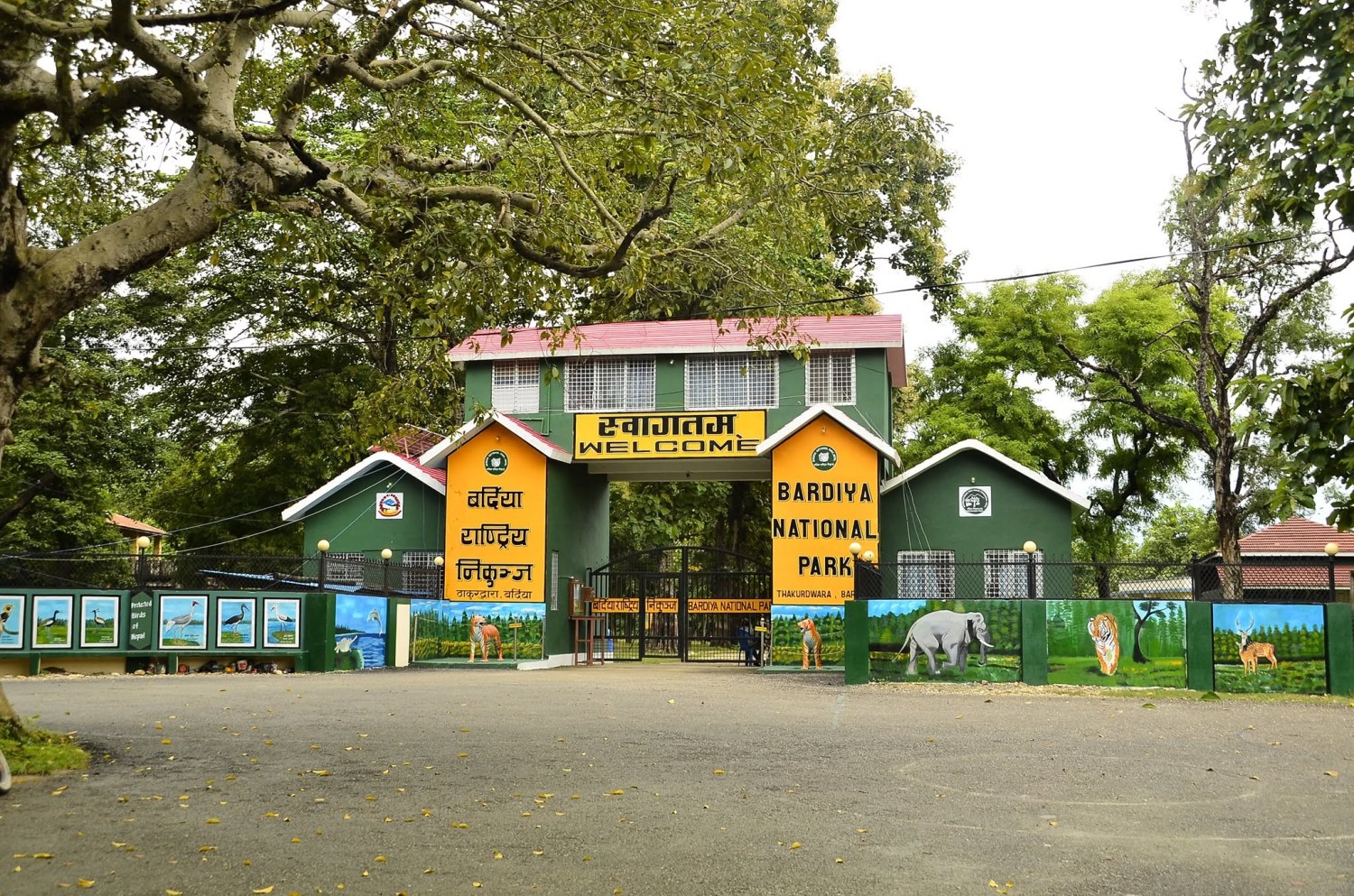
A Bardiya National Park Tour takes you deep into the wild landscapes of Nepal’s western Terai, where dense forests, open grasslands, rivers, and wetlands provide a natural home for some of the country’s most fascinating wildlife. Far from the busy tourist routes, Bardiya offers a peaceful and immersive jungle experience for travelers who want to discover Nepal beyond the Himalayas.
Established as a national park in 1988, Bardiya National Park is Nepal’s largest national park in the Terai region. The park is particularly known for its biodiversity and opportunities to encounter wildlife in a relatively quiet natural setting. Depending on the season and conditions, a safari may bring you close to Bengal tigers, greater one-horned rhinoceroses, wild elephants, spotted deer, crocodiles, wild boars, and many other species.
The experience goes beyond simply searching for animals. A Bardiya National Park safari allows you to explore the forest alongside experienced guides and naturalists who understand animal behavior, tracks, calls, and the changing landscape. Jeep safaris and guided jungle walks offer different perspectives of the park, while canoe trips on local rivers provide an excellent opportunity for spotting crocodiles and water birds.
For bird lovers, Bardiya is equally appealing. The park and surrounding wetlands support a remarkable range of resident and migratory birds, making birdwatching an important part of a Bardiya wildlife tour.
Bardiya is an ideal destination for travelers seeking a more peaceful and nature-focused wildlife experience in Nepal. Unlike heavily visited destinations, the park can feel wonderfully remote, allowing visitors to spend more time observing nature without the constant presence of large groups.
A jungle safari in Bardiya is all about patience, observation, and being in the right place at the right time. The forest changes throughout the day, and each safari can offer a different experience.
A jeep safari is one of the most convenient ways to explore deeper areas of Bardiya National Park. It allows visitors to cover greater distances while searching for wildlife in forests, grasslands, and along riverbanks.
Early morning and late afternoon are often popular times for wildlife activities because animals may be more active during cooler periods. However, wildlife sightings are never guaranteed, and the unpredictable nature of the forest is part of the adventure.
A guided jungle walk offers a slower and more intimate way to experience Bardiya. Walking through the forest allows you to notice details that may be missed from a vehicle, including animal tracks, birds, insects, plants, and other signs of wildlife.
Because you are traveling on foot in a natural wildlife habitat, jungle walks should always be undertaken with an authorized and experienced guide.
A canoe ride is another memorable activity during a Bardiya National Park Tour. Gliding quietly along the river can provide opportunities to observe crocodiles resting along the banks, water birds, and other wildlife near the water.
The peaceful surroundings also make canoeing a great complement to a more active jungle safari.
Bardiya is recognized for its diverse wildlife habitat. Among the animals visitors may encounter are:
The Bengal tiger is one of Bardiya’s most sought-after animals. Tracking a tiger through the forest requires patience and luck, but even signs such as pugmarks or calls can make a safari exciting.
The greater one-horned rhinoceros is another important species found in the park. Seeing one of these powerful animals moving through the grasslands or forest is often one of the highlights of a Nepal wildlife tour.
Wild elephants can also be encountered in and around the park. Their size, intelligence, and social behavior make them an unforgettable sight when observed safely from an appropriate distance.
The park supports several species of deer and other mammals that contribute to its rich ecosystem. These animals can also play an important role in the food chain supporting larger predators.
The park’s rivers and wetlands provide habitats for crocodiles and numerous water-dependent species. A canoe trip can be particularly rewarding for travelers interested in aquatic wildlife.
Bardiya is also an excellent destination for birdwatching in Nepal. The combination of forests, grasslands, rivers, and wetlands creates diverse habitats for birds.
Birdwatchers may encounter colorful resident species as well as migratory birds, depending on the season. Hiring a knowledgeable local birding guide can make the experience more rewarding because guides can identify species by their calls, behavior, and preferred habitats.
A Bardiya National Park Tour can also introduce visitors to the culture of the Tharu communities living in the surrounding region.
The Tharu people have a long history in the Terai and maintain distinctive traditions, architecture, food, music, and dances. Visiting a local community or attending a traditional cultural performance can provide insight into the relationship between local people and the surrounding environment.
This cultural element makes a Bardiya trip more than a conventional wildlife holiday.
The best time to visit Bardiya depends on what you want to experience. The cooler and generally drier months are popular for wildlife activities because conditions are often comfortable for safari and walking.
The warmer months can offer different wildlife and landscape experiences, while the monsoon brings rainfall that transforms the forest and grasslands. Weather, road conditions, park regulations, and wildlife activity can vary throughout the year, so travelers should consider seasonal conditions when planning their trip.
A Bardiya National Park Tour is an opportunity to experience Nepal from a completely different perspective. Instead of mountain trails and high-altitude landscapes, you will explore subtropical forests, open grasslands, rivers, wetlands, and traditional communities.
Whether your goal is to search for a Bengal tiger, photograph wildlife, discover Nepalese birds, explore the jungle, or learn about Tharu culture, Bardiya offers plenty of reasons to make the journey west. With a well-planned itinerary and experienced local guides, your visit can become one of the most memorable wildlife experiences in Nepal.
Your Bardiya National Park Tour begins with a scenic journey toward the Bardiya region. Depending on your selected transportation option, you may travel by private vehicle from Kathmandu or another major city, or combine a domestic flight with a private road transfer.
Upon arrival, you will be welcomed and transferred to your premium jungle resort. Check in, settle into your room, and enjoy some leisure time surrounded by the peaceful Terai landscape.
Later in the afternoon, take a short village walk to become familiar with the local surroundings. In the evening, experience a traditional Tharu cultural program featuring local music and dance. This first evening provides an introduction to the culture and communities that have long been connected with the forests of the Terai.
Meals: Lunch and Dinner
Accommodation: Premium jungle resort
Transportation: Private vehicle
Activities: Resort check-in, village walk, Tharu cultural program
Rise early and prepare for your first major wildlife adventure. After breakfast, enter Bardiya National Park with an experienced naturalist and begin your full-day jungle exploration.
The safari takes you through different habitats, including forests, grasslands, and riverine areas. Along the way, keep an eye out for rhinos, spotted deer, wild boars, monkeys, crocodiles, and a variety of birds.
Bardiya is also known for its Bengal tiger population, so your guide will look for signs such as tracks, calls, and other indications of wildlife activity. Although tiger sightings can never be guaranteed in a natural environment, the search itself is an exciting part of the Bardiya National Park safari experience.
Enjoy a packed lunch or a designated lunch break during the day's exploration before continuing your wildlife adventure. Return to the resort in the late afternoon and relax after a rewarding day in the jungle.
Meals: Breakfast, Lunch, and Dinner
Accommodation: Premium jungle resort
Transportation: Safari vehicle
Activities: Full-day jungle safari, wildlife observation, photography, birdwatching
Start the morning with a guided jungle walk. Unlike a vehicle-based safari, walking through the forest allows you to experience the smaller details of the ecosystem. Your naturalist will help identify animal tracks, plants, insects, birds, and other signs of wildlife.
The morning is also ideal for birdwatching in Bardiya. The park's diverse habitats attract numerous bird species, making this a rewarding experience for both dedicated birdwatchers and casual nature enthusiasts.
After lunch and some leisure time at the resort, continue your adventure with a peaceful canoe ride. Moving quietly along the river offers a different perspective of the landscape and may provide opportunities to observe crocodiles and water birds along the banks.
Return to the resort in the evening and enjoy a relaxed dinner.
Meals: Breakfast, Lunch, and Dinner
Accommodation: Premium jungle resort
Transportation: Private transfer where required
Activities: Guided jungle walk, birdwatching, canoe ride, nature observation
Begin the day with another Bardiya safari tour, focusing on wildlife observation and photography. Each safari is different because animal movements, weather, and forest conditions constantly change.
With your naturalist, explore another section of the park or nearby wildlife habitat. This additional safari gives you more time to observe the ecosystem and increases your opportunities for memorable wildlife encounters.
After lunch, visit a nearby Tharu settlement and learn more about the traditional lifestyle, architecture, customs, and relationship between local communities and the surrounding environment.
Spend your final evening at the resort enjoying the tranquil jungle atmosphere.
Meals: Breakfast, Lunch, and Dinner
Accommodation: Premium jungle resort
Transportation: Safari vehicle and private vehicle
Activities: Morning safari, wildlife photography, Tharu village visit, cultural interaction
Enjoy your final breakfast surrounded by the peaceful atmosphere of Bardiya. Depending on your departure schedule, you may have time for a short nature walk or birdwatching session before checking out.
Afterward, your private vehicle will transfer you toward your next destination or onward connection.
Your 5 Days / 4 Nights Bardiya National Park Tour concludes with unforgettable memories of Nepal's wildlife, forests, rivers, and Tharu heritage.
Meals: Breakfast
Transportation: Private vehicle
Activities: Optional short nature walk or birdwatching, departure transfer
Tour Ends
The following are generally not included unless specifically mentioned in your booking confirmation:
Important Notes !
Bardiya National Park is a genuine wilderness destination, and wildlife sightings cannot be guaranteed. Even when animals are not immediately visible, tracking footprints, listening to bird calls, observing vegetation, and learning about the ecosystem are important parts of the safari experience.
The exact sequence of activities may be adjusted according to weather, park regulations, wildlife conditions, local circumstances, and your departure schedule.
For the best experience, follow your naturalist's instructions and maintain a safe distance from wildlife at all times.
A 2–3 night Bardiya National Park itinerary can provide a good introduction to the park, particularly if you plan several wildlife activities.
A longer stay is recommended for travelers who want to combine multiple safari experiences with birdwatching, cultural activities, nature walks, and relaxation. Spending additional nights also gives you more opportunities to explore different areas and increases your chances of experiencing varied wildlife encounters.
Bardiya is a genuine wildlife destination, so it is important to approach the experience with realistic expectations. The park is not a zoo, and animals move freely through a large natural habitat.
You may see several animals during one safari, while another excursion may focus more on tracks, birds, vegetation, or other signs of wildlife. This unpredictability is what makes a jungle safari exciting.
Travelers should also be prepared for warm conditions during parts of the year, uneven terrain during walking activities, and early starts for some wildlife excursions.
A Bardiya wildlife trip is suitable for a wide range of travelers, including:
Visitors looking for an alternative to Nepal’s mountain-focused itineraries
Nepal is famous worldwide for the Himalayas, trekking, and mountain adventures, but its lowland Terai region offers an entirely different landscape and experience. A Bardiya National Park Tour brings together forests, rivers, grasslands, wildlife, and indigenous culture in a destination that feels distinctly different from the trekking regions.
For travelers who want to slow down, spend time in nature, and experience Nepal’s wildlife away from crowded tourist centers, Bardiya is an excellent choice. From the anticipation of searching for a tiger to the quiet movement of a canoe along the river, each activity offers a new way to connect with the wilderness.
For a more premium itinerary, you can offer a flight + private transfer option:
Kathmandu to Nepalgunj: approximately 45–60 minutes by flight
Nepalgunj to Bardiya: approximately 90–120 km by road, depending on Hotel and resort/
Find answers to the most frequently asked questions about this tour.
Yes. Bardiya is worth visiting for travelers interested in wildlife, nature, birdwatching, jungle activities, and Tharu culture. Its relatively peaceful atmosphere also makes it appealing to visitors who prefer less-crowded destinations.
Bardiya National Park is particularly known for its diverse wildlife and natural habitats, including Bengal tigers, one-horned rhinoceroses, wild elephants, deer, crocodiles, and numerous bird species.
Around 3–4 days is a good starting point for a Bardiya trip. This provides enough time for several wildlife activities while allowing some flexibility for cultural experiences and relaxation.
Bardiya is an important habitat for Bengal tigers, but seeing a tiger is never guaranteed. Wildlife encounters depend on animal movements, weather, habitat conditions, and luck.
Popular activities include jeep safaris, guided jungle walks, birdwatching, canoe rides, nature excursions, wildlife photography, and cultural experiences with local Tharu communities.
Useful items include comfortable clothing, sturdy walking shoes, a hat or cap, sunscreen, insect repellent, binoculars, a reusable water bottle, and a camera. Clothing should be suitable for the season and outdoor conditions.
Yes, Bardiya can be a good destination for families who enjoy nature and wildlife. Activities should be selected according to the children's age and comfort, and all park rules and guide instructions should be followed.
Bardiya offers a more remote and peaceful wilderness atmosphere and combines wildlife activities with opportunities to experience the culture of western Nepal. It is particularly attractive to travelers looking for a less-crowded alternative to Nepal's better-known wildlife destinations.
Nepal 
Nepal
Nepal
Nepal
Nepal

 WhatsApp
 Plan Your Trip



 Reviews 5/5
 Reviews 5/5
 Reviews 5/5