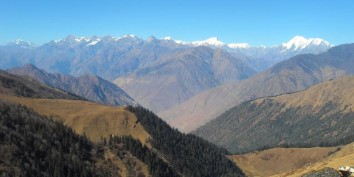
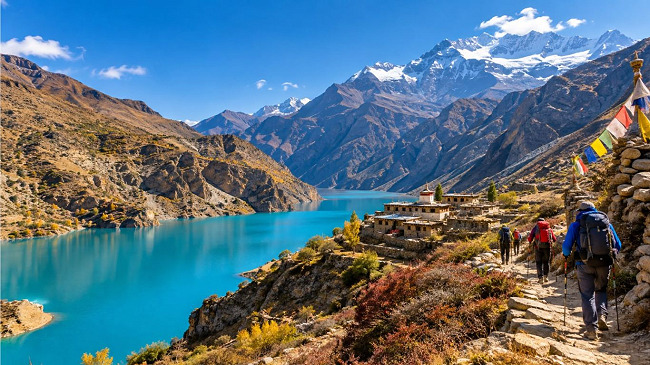
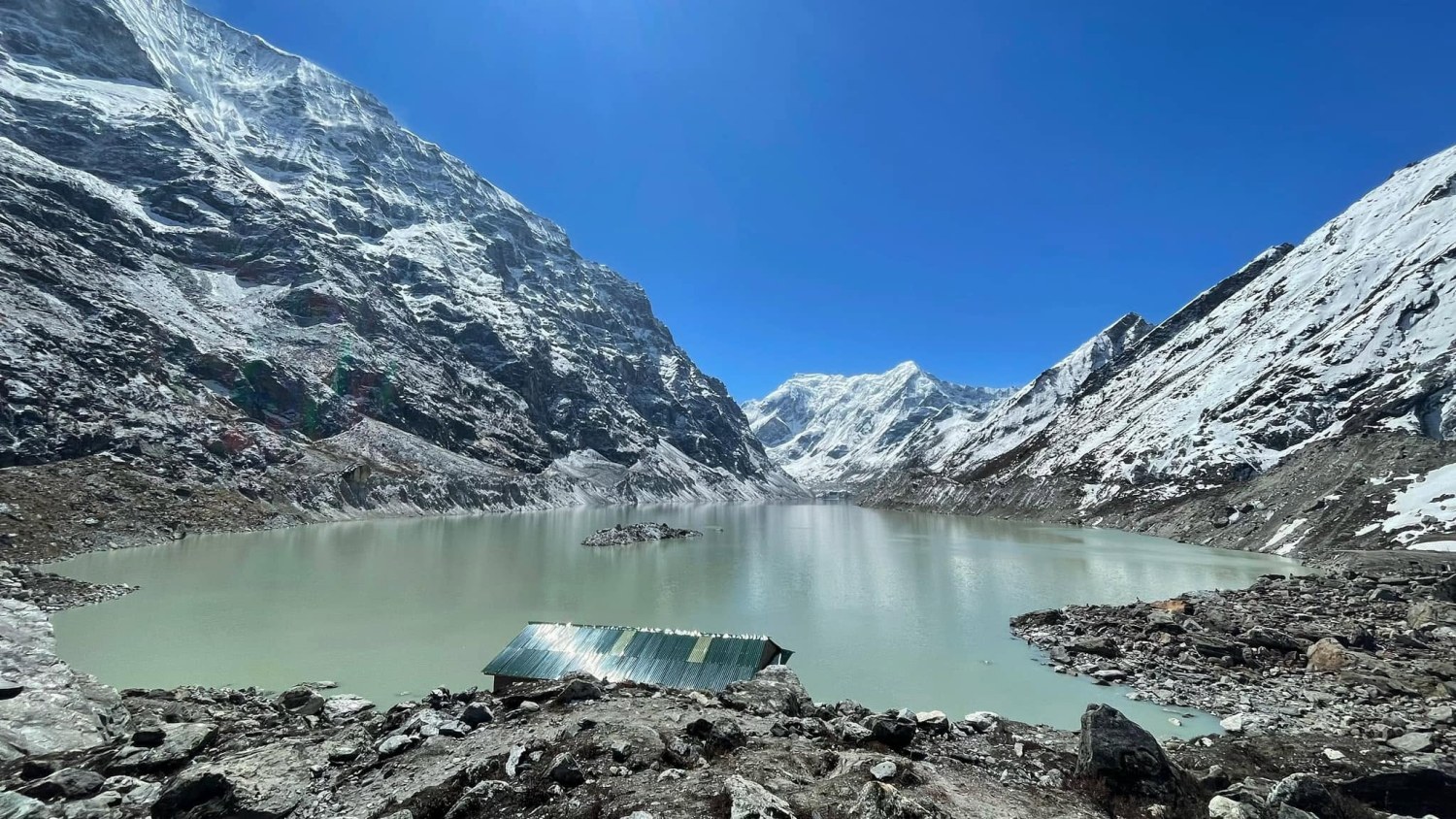
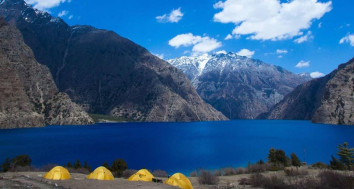
Hidden between the Langtang and Everest Regions Trekking, the Rolwaling Valley is one of Nepal's most remote and rewarding treks. Set within the Gaurishankar Conservation Area, the trail climbs from terraced farmland through rhododendron forest and alpine meadows to Na village and the glacial Tsho Rolpa Lake at 4,540 metres.
Along the way, you will meet Sherpa communities, visit quiet monasteries and enjoy close views of sacred Gaurishankar. With far fewer trekkers than the popular routes, Rolwaling offers genuine Himalayan solitude. With Nepal Unique Treks, you walk with experienced local guides who put your safety, comfort and cultural connection first.
The Rolwaling Valley trek takes you into one of the quietest corners of the Nepal Himalaya. The valley lies in Dolakha District, between the Langtang and Everest regions and close to the Tibetan border. It sits inside the Gaurishankar Conservation Area, which was established in 2010 and covers roughly 2,179 square kilometres, from subtropical forest to permanent ice.
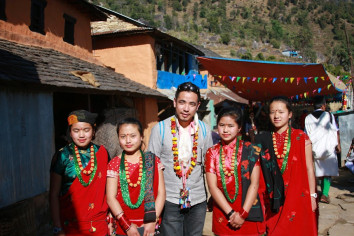
The valley is home to Sherpa communities who settled here generations ago. The mountain that dominates it, Gaurishankar (7,134 m), is sacred to both Hindus and Buddhists. Hindus see it as the home of Shiva and Parvati, and the local Sherpa regard it as a living deity.
The standard route follows the Rolwaling Khola from the roadhead at Jagat up to the village of Na (4,180 m) and the glacial lake Tsho Rolpa (4,540 m). It is a teahouse and homestay trek in its lower and middle sections. It is much less crowded than Everest Base Camp Trek or Annapurna Base Camp Trek. On many days you will meet more mule trains and schoolchildren than other trekkers.
At Nepal Unique Treks, we run this trek as a 13-day journey, including arrival and departure days, and can adjust it to your pace and fitness.
Rolwaling is not a trek you want to organise on a whim. The roads are rough, the villages are small, facilities thin out quickly above Beding, and the weather can change your plans. The company you choose makes a real difference to how safe, smooth and enjoyable the trip is. Here is what you can expect from us.
Our guides are licensed, first-aid trained and familiar with the Rolwaling trails, the Sherpa villages and the changing mountain conditions. They know where the best viewpoints are, which lodges are the warmest, and when to slow down or turn around. That knowledge cannot be learned from a map.
Many rushed schedules push trekkers to Na and Tsho Rolpa too quickly. Ours include rest days at Beding and buffer time for weather, so your body has a fair chance to adapt and you can enjoy the lake rather than struggle toward it.
We keep groups modest so that your guide can watch how each person is feeling and walk at a pace that suits the group. If you travel as a couple, a family or a private party, the trek is arranged around you.
We will tell you plainly whether Rolwaling suits your fitness and experience, what the teahouses are really like, and what the best season is for your dates. If another route fits you better, we will say so.
Rolwaling's permit requirements and road conditions change from season to season. We take care of the Gaurishankar Conservation Area permit, the Dolakha area permits and your transport to the roadhead, and we confirm the current rules before each departure.
Your guide carries a first aid kit, monitors for signs of altitude sickness and has the authority to change the plan. We brief you on emergency procedures before you leave Kathmandu and encourage proper travel and evacuation insurance.
We stay in local lodges and homestays, for our guides and porters, we will provide suitable clothing and insurance for our crew, and follow leave-no-trace principles. Your trek helps the communities that make this valley special.
Want a longer acclimatization schedule, a private trek, or a combination with another region? We can adjust the itinerary. Experienced trekkers can also ask about extensions such as the Tashi Lapcha pass, which we plan separately with specialist support.
When you trek Rolwaling with Nepal Unique Treks, you get more than a route and a permit. You get a team that cares how your journey feels from the first drive out of Kathmandu to the last farewell dinner. Get in touch to start planning your trek.
The trek is a there-and-back route along a single river valley. You walk upstream from Jagat to Na and return the same way, though Tsho Rolpa and the side trips give variety.
We rate the Rolwaling trek as moderate to challenging. That has little to do with technical difficulty, since the standard route needs no climbing gear. The challenges are these:
You do not need to be a mountaineer, but you should have good general fitness and some previous multi-day trekking experience. We suggest regular hiking, stair climbing or cardio training for at least six to eight weeks before you travel.
Costs depend on group size, season, route length and how much support you want. As a regular Trekking packages cost will be USD 995 per person, reflecting the remote logistics. Your quote from us will be specific to your group. Contact Us WhatsApp 977 9851023285 for quick reply, affordable price and group discount available
Autumn (October to November) is the most popular time, with clear skies, stable weather and good mountain views. The days are warm and the nights cold above Beding.
brings rhododendron blossom to the lower forests and generally good weather, although afternoon clouds can build up in May.
is possible for experienced trekkers, but snow can block the upper valley and some lodges close.
is the least suitable. Rain, leeches, slippery trails and landslide risk make this a difficult season, though the valley is lush and green.
Kathmandu: We book comfortable tourist-standard hotels, usually in Thamel, with breakfast included.
On the trek: Expect simple teahouses and homestays. Rooms are basic twin-bedded rooms with shared bathrooms. In the lower villages you can usually get a hot meal, a warm common room and sometimes solar charging for a small fee. Facilities become more basic as you go higher. Bring a warm sleeping bag, as rooms are not heated.
Meals: Dal bhat (rice, lentil soup and vegetable curry) is the staple and gives you good energy, often with refills. You will also find noodles, momos, fried rice, pasta, soup, eggs, porridge and Tibetan bread. Meat is not recommended at altitude because of hygiene, so we encourage vegetarian choices. We advise carrying water purification tablets or a filter, and we can provide boiled water.
We meet you at Tribhuvan International Airport and transfer you to your hotel. In the evening, you meet your guide for a full trek briefing, gear check and permit paperwork.
The drive runs via Charikot and Singati, and the road becomes rougher and narrower as you get closer to Jagat. Road conditions change with the seasons, so we plan this day with flexibility and stop for lunch along the way.
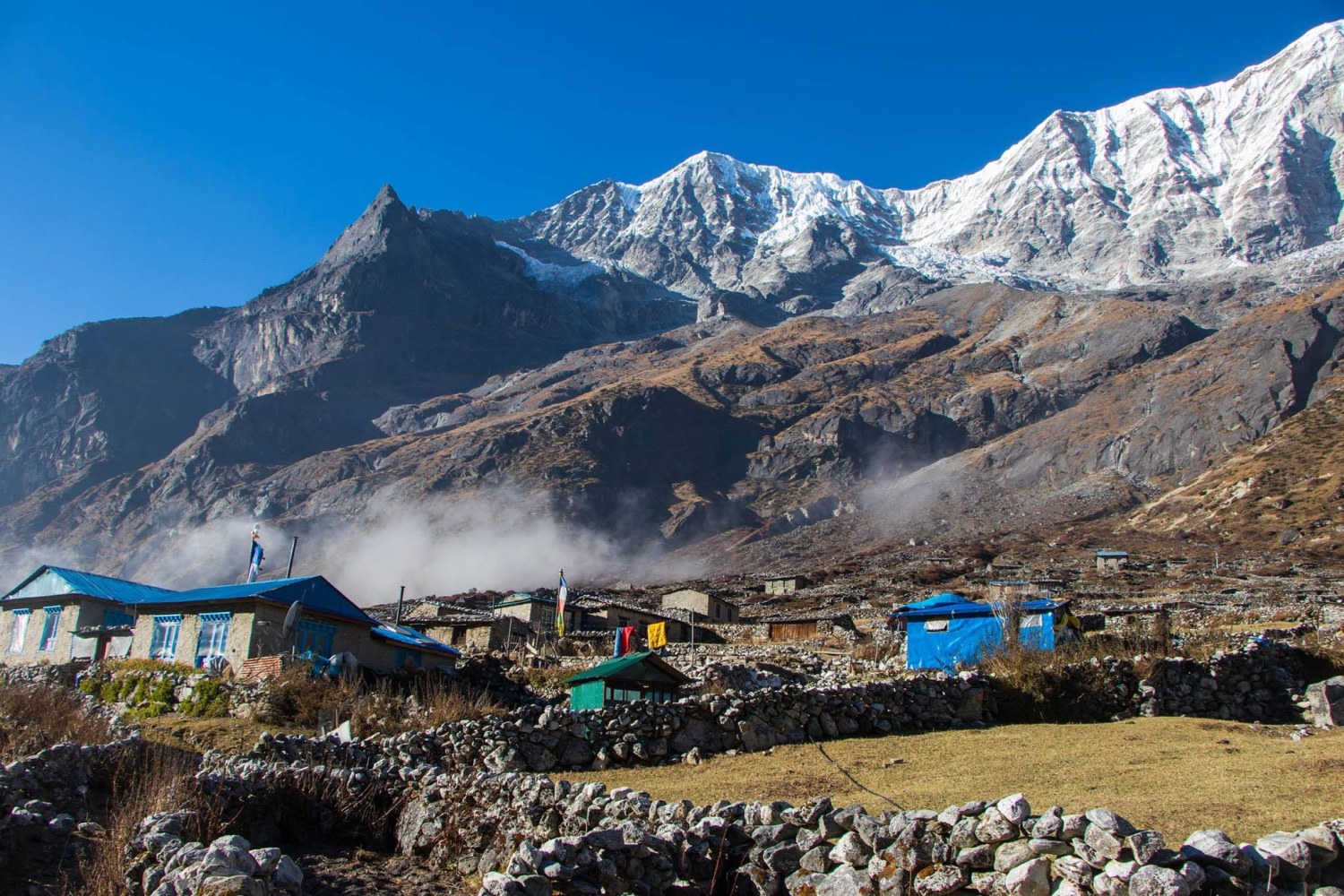
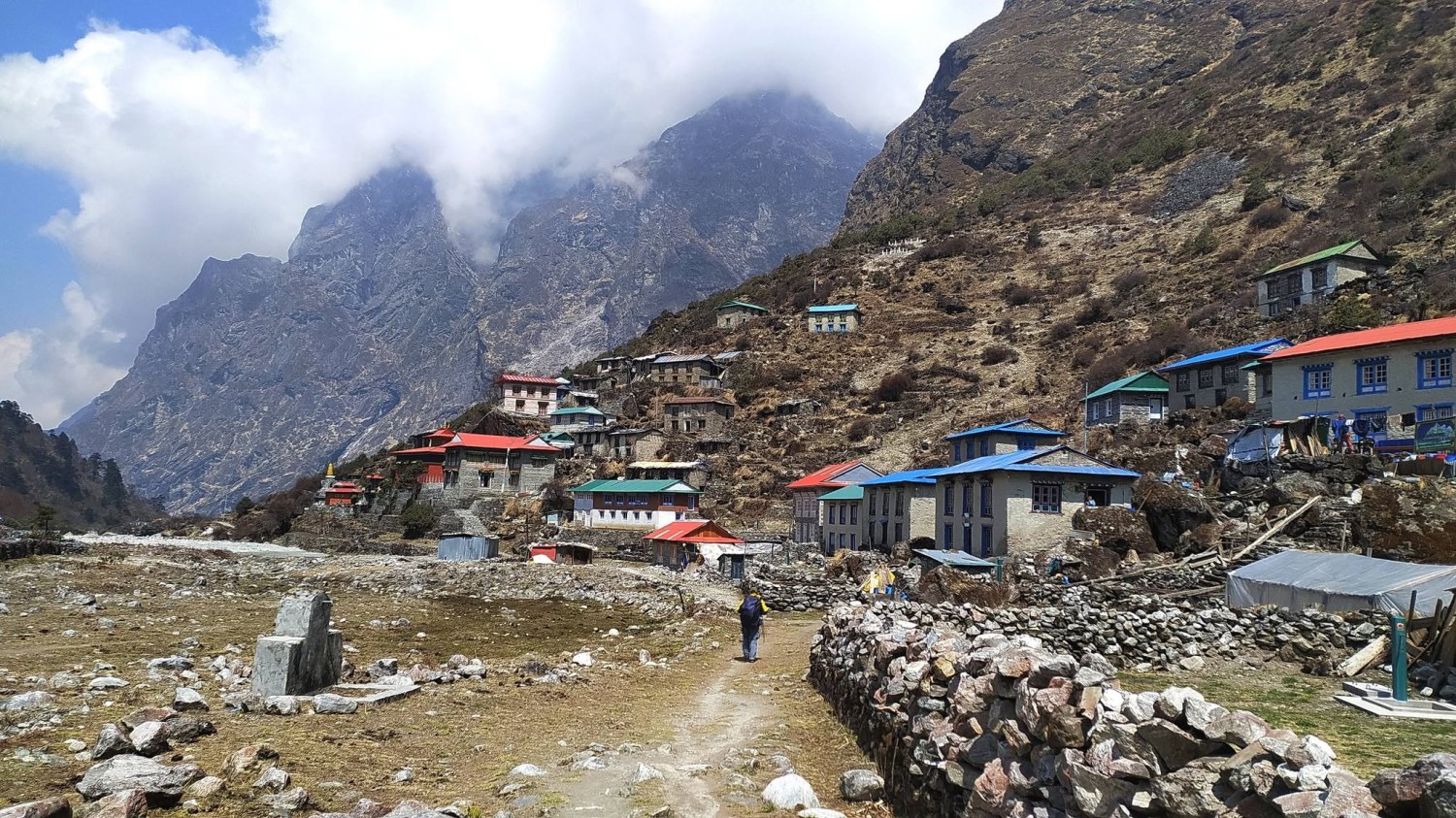
A steady climb through farmland and forest leads to Simigaon, the first large Sherpa village. You get your first mountain views, and the afternoon is free to explore the village.
The trail follows the river deeper into the valley through forest, with several suspension bridges. There are some steep sections, so we walk at an easy pace.
The valley opens up as you climb. You reach Beding, the main Sherpa village in the valley, and can visit its monastery in the late afternoon.
A rest day with a short hike to a nearby viewpoint or the monastery area. Climbing high and sleeping low helps your body adjust, which is why we never skip this day.
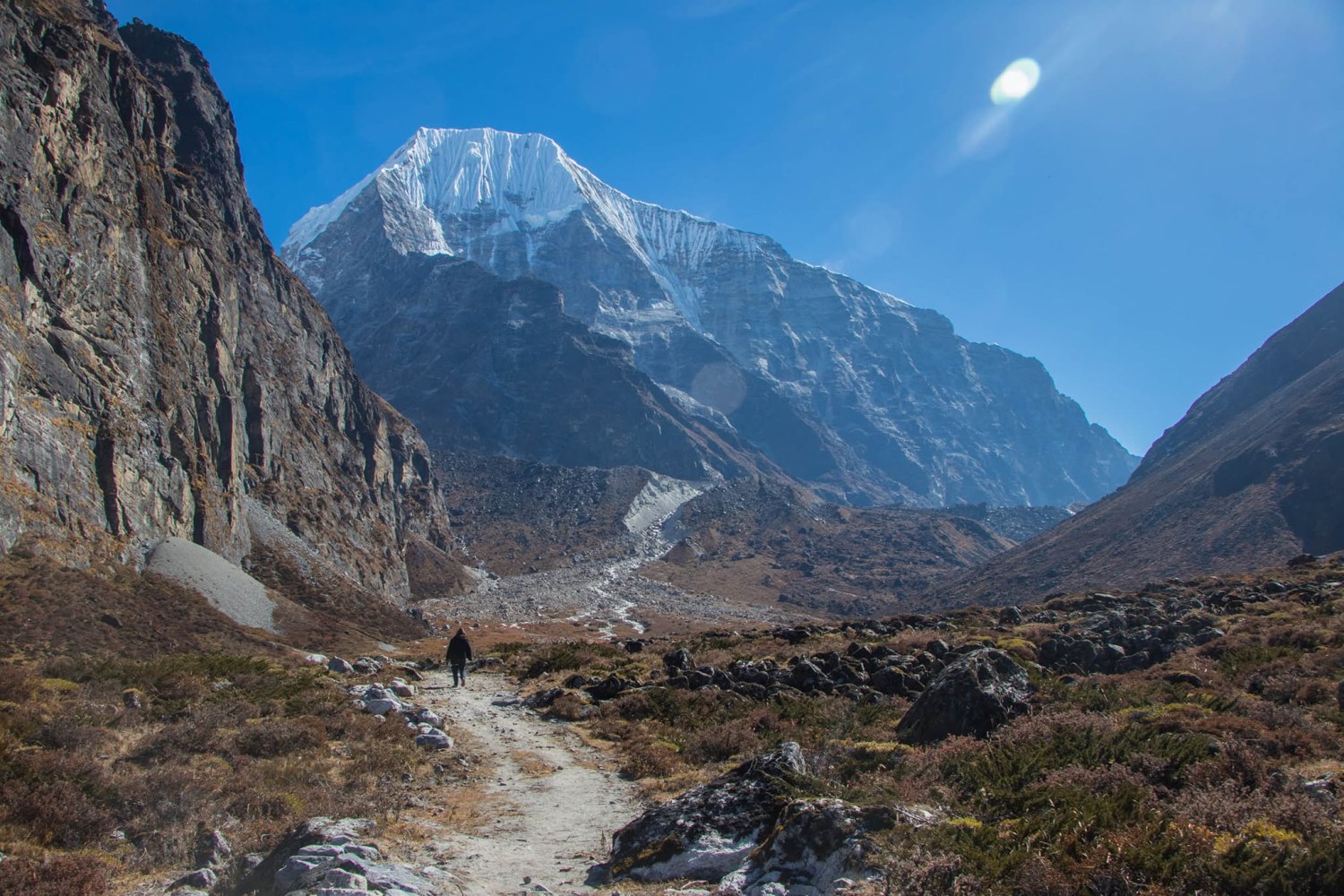
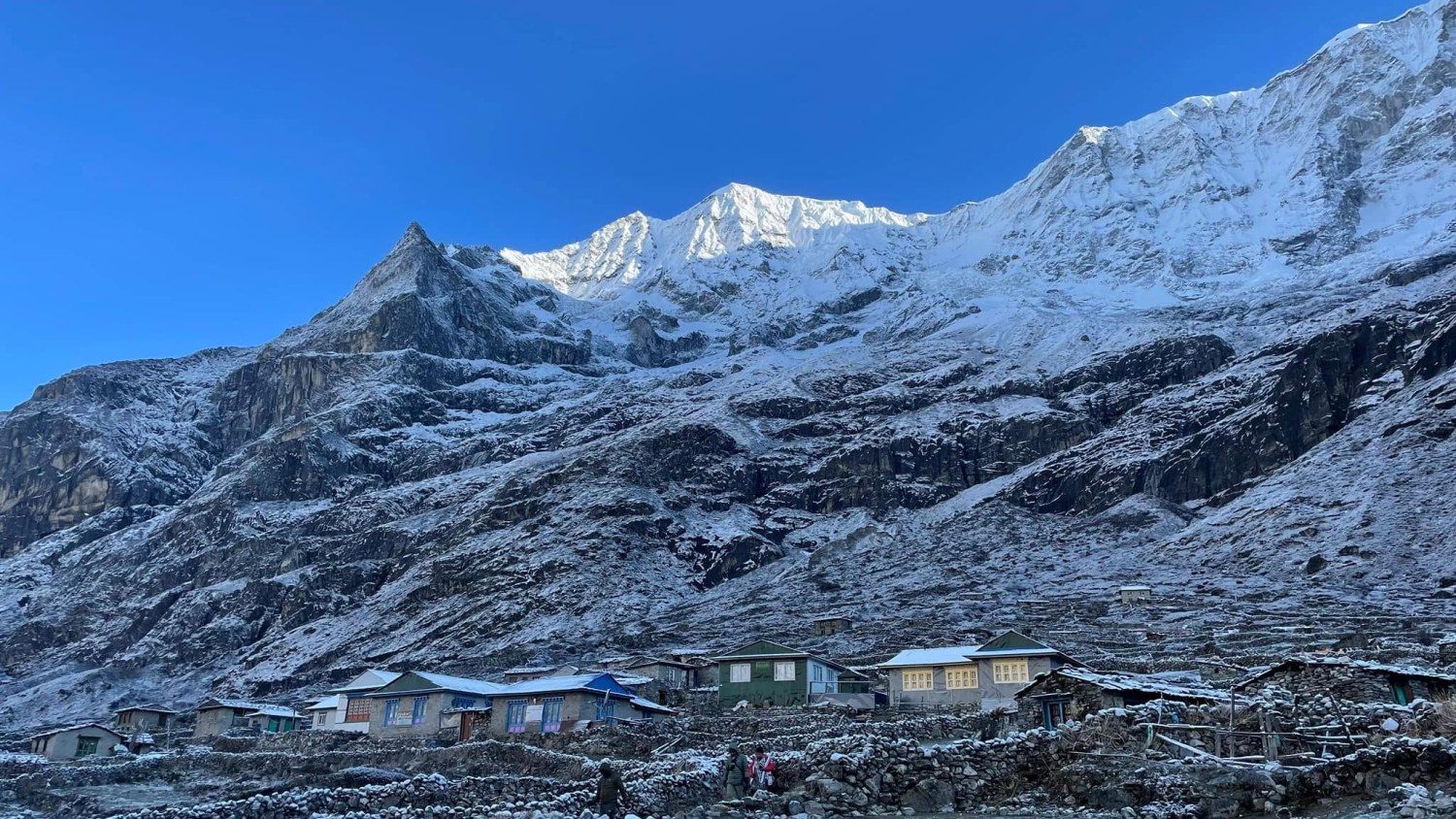
A shorter day through high meadows. Na is a yak pasture settlement and the last village with teahouses. You arrive with time to rest and enjoy the views.
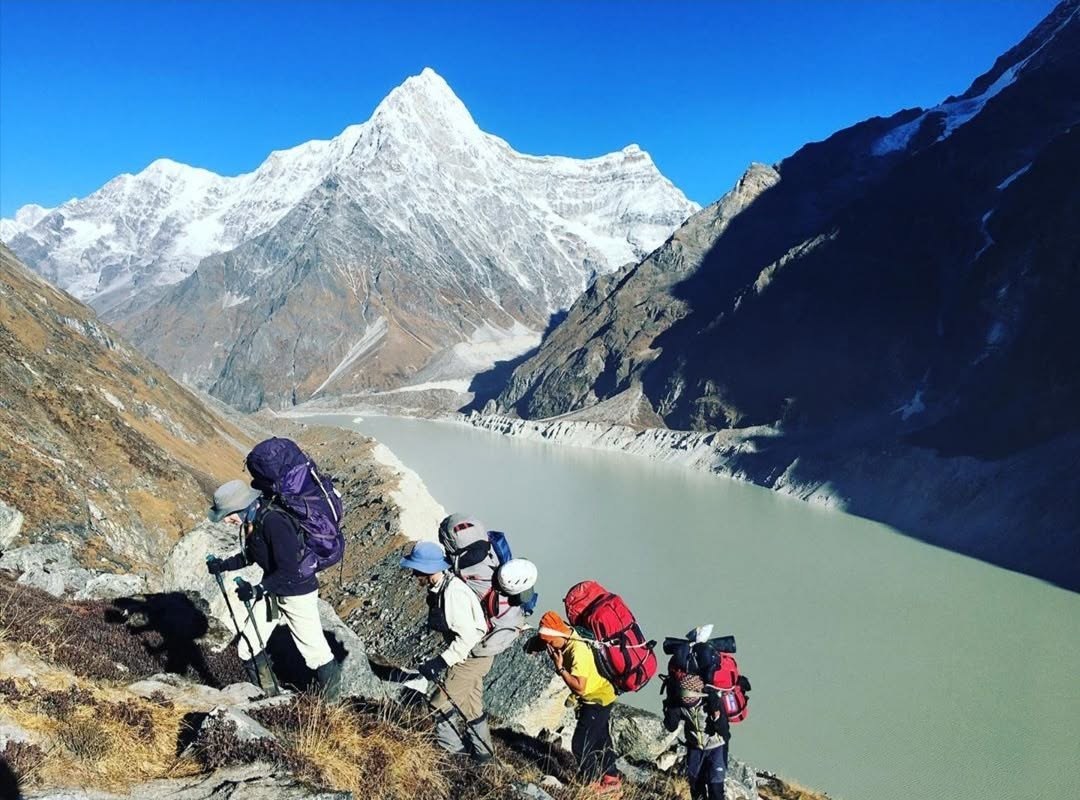
A day hike across rough, rocky terrain to the glacial lake, with views of the ice and surrounding peaks. We return to Na to sleep at the lower altitude.
This buffer day covers weather delays. If conditions are good, we explore the area around Na or spend longer at the lake. Otherwise, it is a proper rest day.
A big descent, and the richer air makes the walking noticeably easier. You arrive in Beding in the afternoon.
A steady downhill day back through the forest and across the suspension bridges. Strong groups can continue toward Simigaon if they want a shorter final day.
The final trekking day is long but mostly downhill. We start early and take a lunch break in Simigaon. If you moved on to Simigaon on Day 11, this becomes a much shorter day.
Return to the capital, check into your hotel, and celebrate the end of the trek with a farewell dinner.
We can provide a more detailed checklist and help you hire gear in Kathmandu.
Safety is the first priority on every trek we operate. Your guide is trained in first aid and altitude awareness and carries a first aid kit.
Find answers to the most frequently asked questions about this tour.
It is better for people with some multi-day trekking experience. Complete beginners with good fitness can manage it with preparation, but the remoteness and altitude make it more demanding than the Annapurna or Langtang routes.
Our standard itinerary is 13 days including arrival and departure. Shorter and longer variations are possible.
The standard route reaches about 4,540 m at Tsho Rolpa, with nights at Na (4,180 m).
Yes. Permits and local regulations for this area require trekking through a registered agency, and a guide is strongly advised for safety and navigation.
Limited. The lower villages have some solar power and occasional mobile signal. Higher up, it is minimal or nothing.
Winter is possible for experienced trekkers but cold, with potential snow closures. The monsoon is generally not recommended.
It is a technical, high-altitude glacier crossing for experienced and well-equipped trekkers only, and needs specialist planning.
Your guide will assess you and arrange descent if necessary. This is why we include acclimatization days and recommend appropriate insurance.
Nepal 
Nepal
Nepal
Nepal
Nepal

 WhatsApp
 Plan Your Trip


 Reviews 5/5
 Reviews 5/5

 Reviews 5/5