
Makalu Base Camp is one of Nepal's quietest high-altitude treks. Over 22 days you pass through Makalu Barun National Park, from subtropical forest and rhododendron valleys to the glacial moraine beneath Makalu (8,485 m), the world's fifth-highest mountain. The route is remote, with few trekkers, basic teahouses and big mountain scenery. You get Everest, Lhotse and Kanchenjunga views without the crowds.
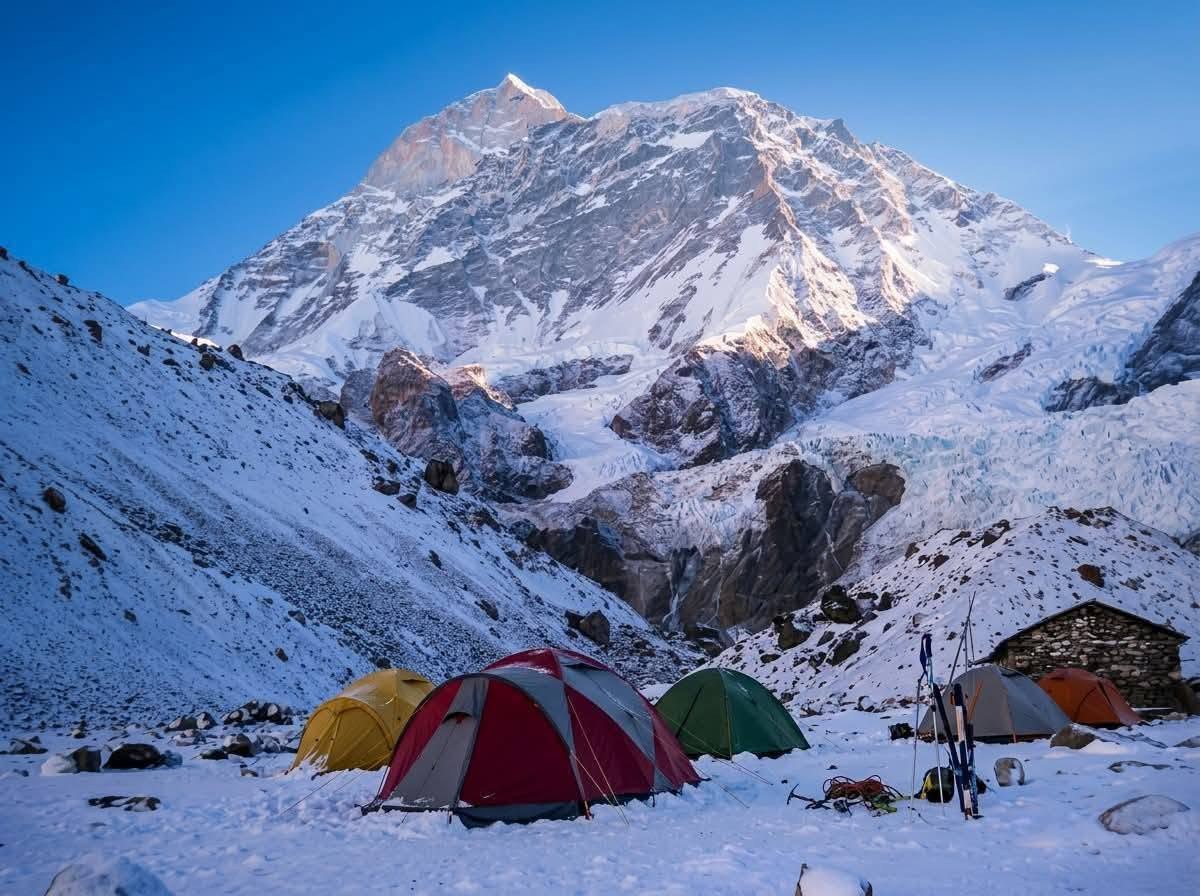
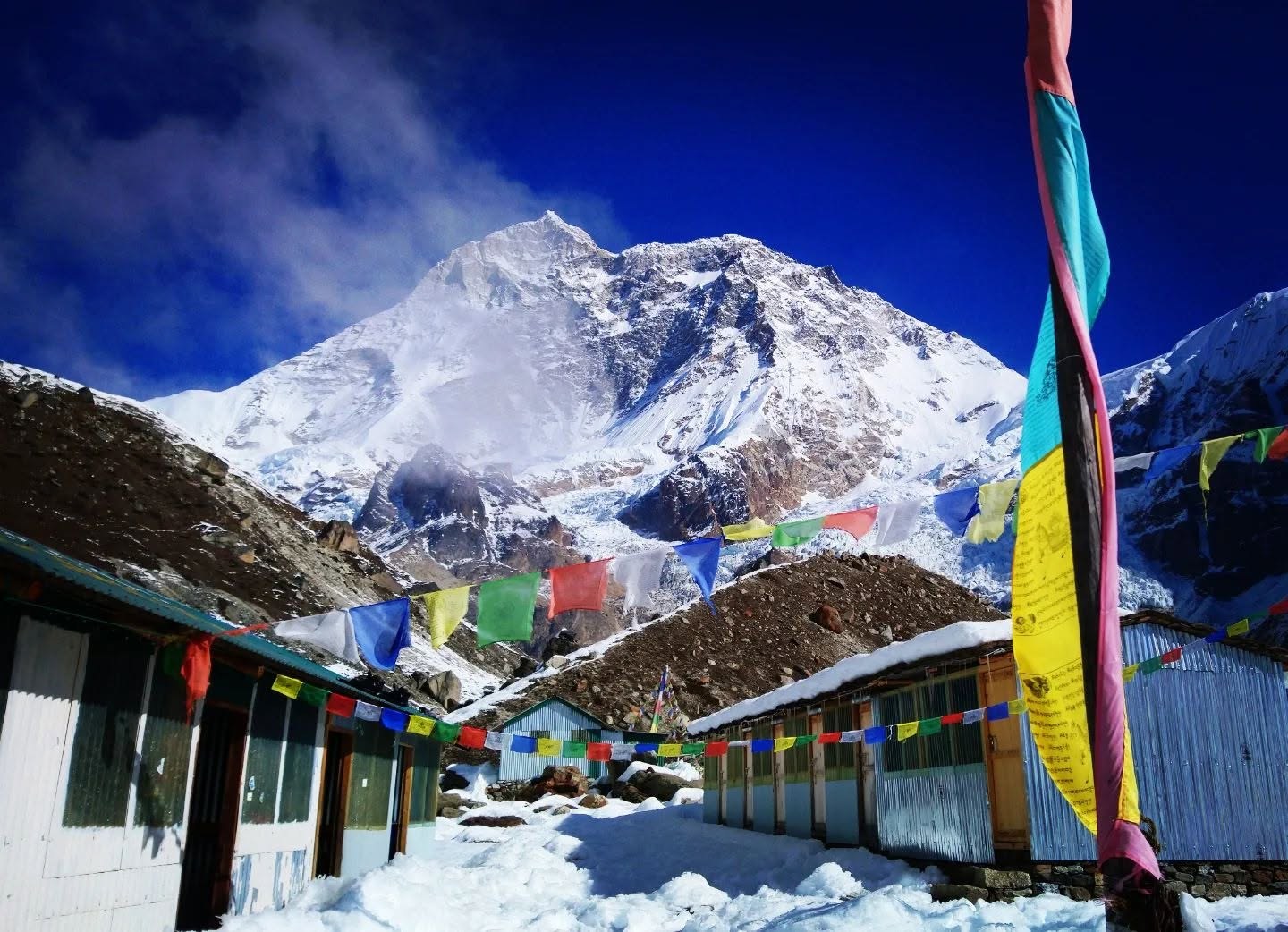
The Makalu Base Camp Trek is a 22-day journey into one of Nepal's most remote and least-visited mountain regions. It starts with a short flight from Kathmandu to Tumlingtar, followed by a drive and a trek through Makalu Barun National Park. Over about 15 days of walking, you pass through terraced farmland, rhododendron and bamboo forest, high ridgelines and the wide Barun Valley, finishing at Makalu Base Camp (about 4,870 m) at the foot of the world's fifth-highest peak, Makalu (8,485 m).
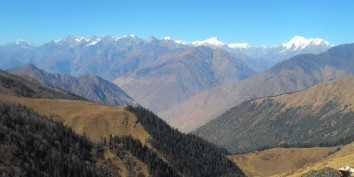
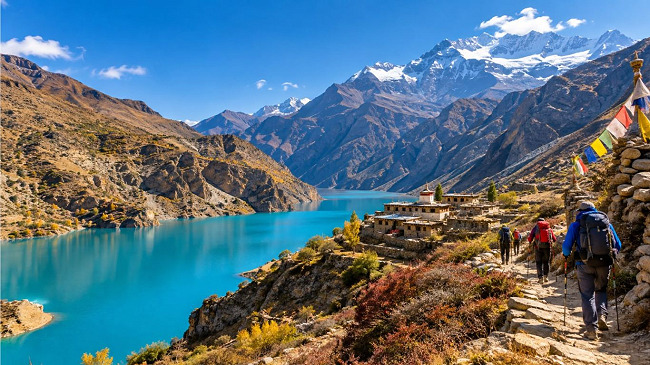
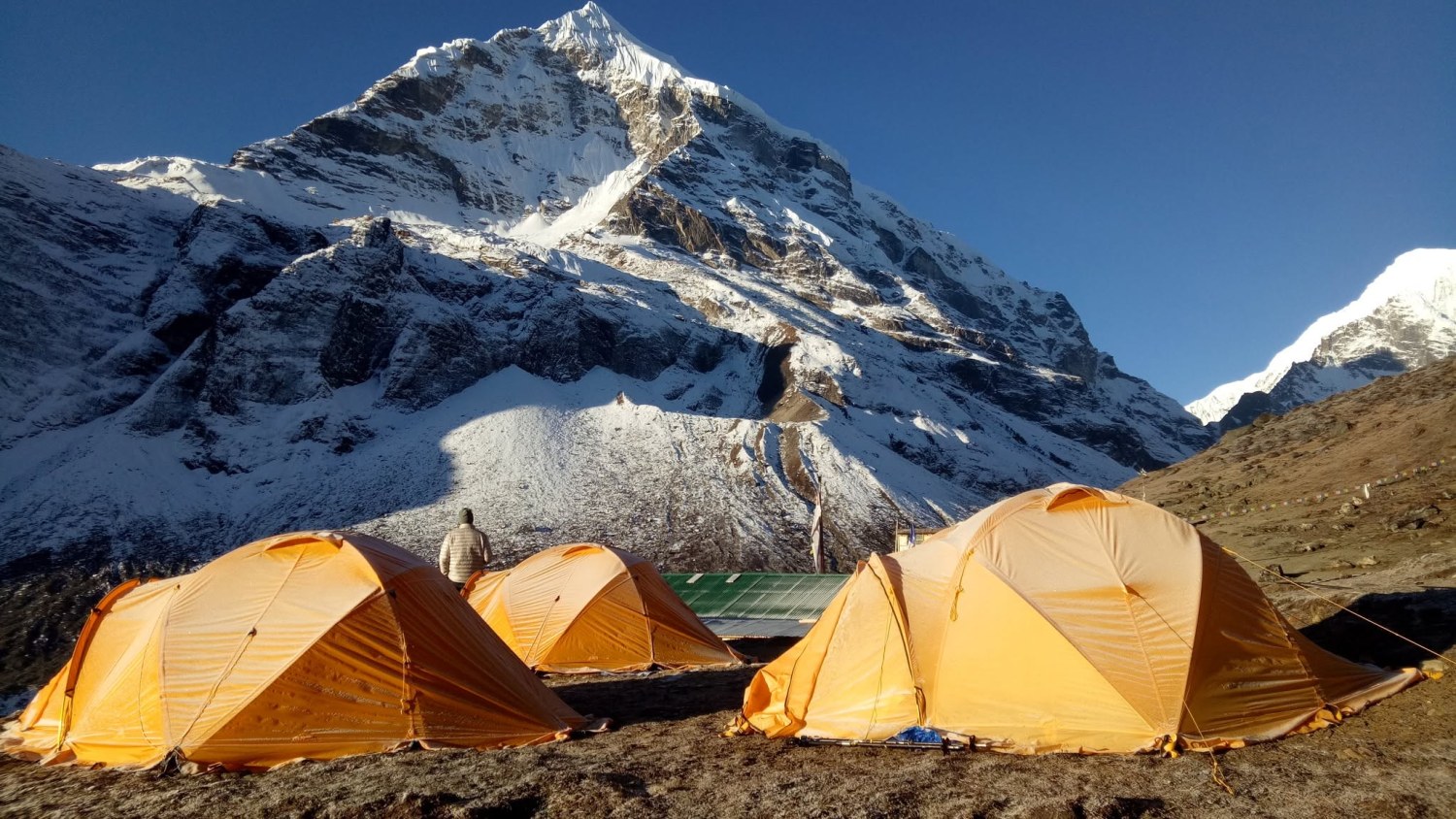
The trek is physically demanding. Steep climbs to Khongma Danda, the crossing of Shipton La (about 4,127 m) and long days in the Barun Valley make this a route for trekkers with previous multi-day experience. In return, you get quiet trails, genuine village hospitality and close views of Makalu, Chamlang, Baruntse and Peak 6, with Everest and Lhotse visible in the distance. Because few trekkers come here, the teahouses are simple and the atmosphere is far more peaceful than on the Everest or Annapurna routes.
The itinerary includes a rest day at base camp for acclimatization and a spare day at the end to absorb weather-related flight delays. The best seasons are March to May and October to November, when skies are clearest and the weather is most stable.
The trek begins with a flight from Kathmandu to Tumlingtar, then a drive to Chichira. From there you descend to the Arun River at Num and climb through Seduwa and Tashigaon to Khongma Danda. You cross Shipton La to Dobate, then follow the Barun River upstream through Yangri Kharka and Langmale Kharka to Makalu Base Camp. The return follows the same corridor back to Tumlingtar, with spare days for flight delays.
This is a strenuous trek. The challenges are remote terrain, steep ascents and descents (especially Khongma Danda and Shipton La), basic facilities and the altitude of up to 4,870 m. You don't need technical climbing skills, but you do need good cardiovascular fitness and previous multi-day trekking experience. Start training 2–3 months ahead with hill walking, cardio and strength work.
Makalu Base Camp Trek Permits
You will typically need:
Makalu Base Camp Trekking Permits will arranged by Nepal Unique Treks registered trekking company in Kathmandu.
Upon your arrival at Tribhuvan International Airport in Kathmandu, a representative from Nepal Unique Treks will welcome you and transfer you to your hotel. After checking in and taking some time to rest, you can explore the surrounding area or relax at the hotel.
In the evening, your trekking guide will conduct a detailed trip briefing. You will receive important information about the Makalu Base Camp Trek, including the itinerary, trekking conditions, altitude, safety procedures and equipment requirements.
You will then enjoy a traditional Nepalese welcome dinner with the Nepal Unique Treks team.
Today is dedicated to exploring some of Kathmandu's important cultural and UNESCO World Heritage sites. Depending on the schedule, you will visit Pashupatinath Temple, Boudhanath Stupa and Swayambhunath Stupa (Monkey Temple).
After sightseeing, you will return to the hotel and prepare for the trek. Your guide will check your trekking equipment and help you identify any missing items that need to be purchased or rented.
You will also complete the necessary trekking preparations and permits before beginning your journey toward the Makalu region.
After breakfast, you will travel to the airport for your flight from Kathmandu to Tumlingtar, the gateway to the Makalu region. The flight provides an opportunity to enjoy aerial views of the hills and Himalayan landscape.
After landing at Tumlingtar, you will meet the local transportation team and begin the drive toward Chichira. The road gradually leaves the lower Arun Valley and climbs toward the foothills. You will spend the night at Chichira and prepare for the first full day of trekking. Because mountain-region flights can sometimes be affected by weather, your schedule should remain flexible.
Your Makalu Base Camp Trek officially begins today. After breakfast, you leave Chichira and follow a trail through terraced farmland, small settlements and forest.
The trail passes through the beautiful middle-hill landscape of eastern Nepal. You will experience several ascents and descents before eventually reaching Num.
Num is situated above the Arun River valley and serves as one of the important gateways to the Makalu trekking route.
After breakfast, you descend toward the Arun River and cross the river before beginning a sustained climb toward Seduwa.
The trail passes through forests, terraced fields and scattered mountain settlements. Although today's altitude is not particularly high, the continuous ups and downs make this an active trekking day.
Seduwa is one of the larger settlements on the route and is an important stopping point before entering the more remote sections of Makalu-Barun National Park.
Today the trail climbs gradually through lush forests and traditional hillside landscapes. You will pass through rhododendron and mixed forests while gradually gaining elevation.
As you approach Tashigaon, the landscape begins to feel more alpine. In clear weather, you may catch views toward the surrounding Himalayan peaks.
Tashigaon is one of the last major permanent settlements before the route becomes increasingly remote and mountainous.
Today is one of the more demanding days of the Makalu Base Camp Trek as the trail climbs significantly from Tashigaon toward Khongma Danda. The route passes through dense forest and steep sections before reaching higher alpine terrain.
As you gain altitude, the vegetation becomes thinner and the mountain landscape becomes increasingly dramatic. Because you gain considerable elevation today, your guide will maintain a steady pace and encourage regular breaks and adequate hydration.
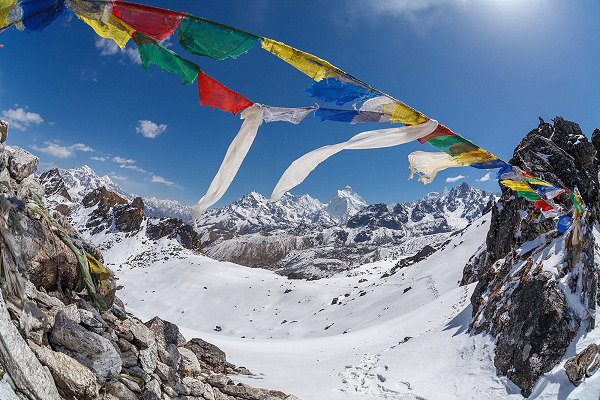
Today you cross one of the most spectacular sections of the Makalu Base Camp Trek. From Khongma Danda, the trail climbs toward the high passes of the Shipton La area before descending toward Dobate.
The route involves steep ascents and descents, rocky terrain and changing mountain landscapes. From the higher sections, you can enjoy impressive views of the surrounding peaks and valleys when weather conditions are clear.
After crossing the high pass, you descend toward Dobate, where you spend the night.
Leaving Dobate behind, the trail descends through forest before joining the spectacular Barun Valley.
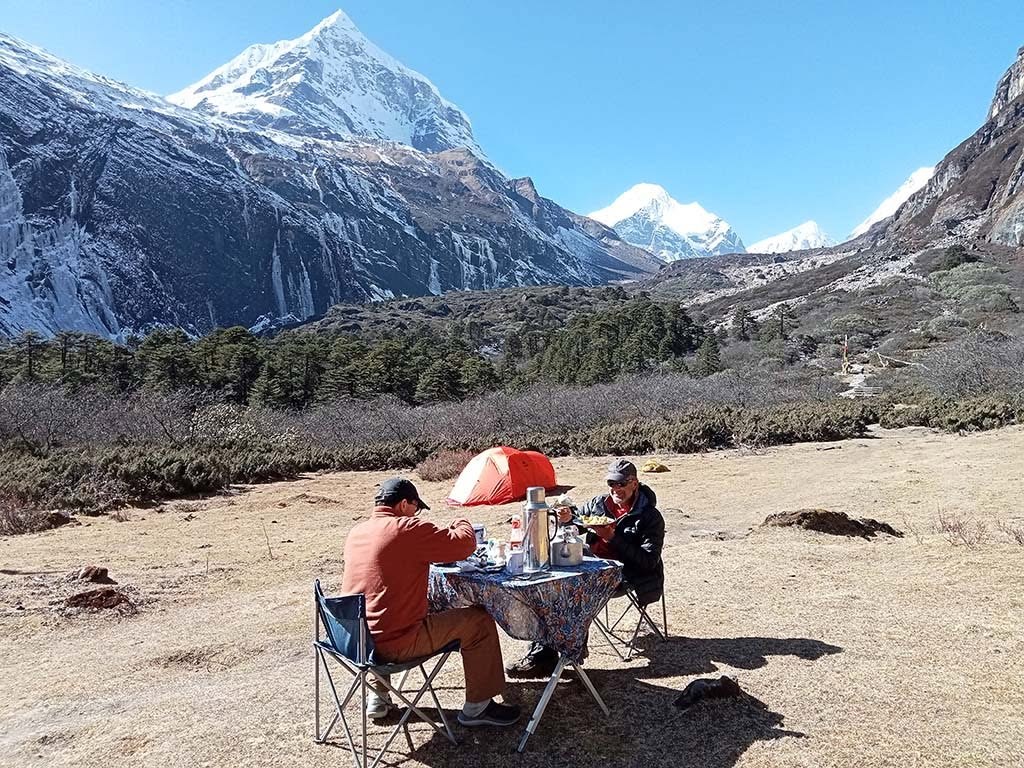
You follow the Barun River upstream through a remote mountain environment. The landscape gradually changes from dense forest to alpine vegetation as you move deeper into the Makalu-Barun region.
Yangri Kharka is an important overnight stop before continuing toward the higher elevations of the valley.
Today's trail climbs steadily through the upper Barun Valley. The surrounding landscape becomes increasingly rugged, with alpine meadows, rocky slopes and spectacular mountain scenery.
As you approach Langmale Kharka, the effects of altitude become more noticeable. Your guide will monitor your pace and condition, and you should drink plenty of water and avoid rushing.
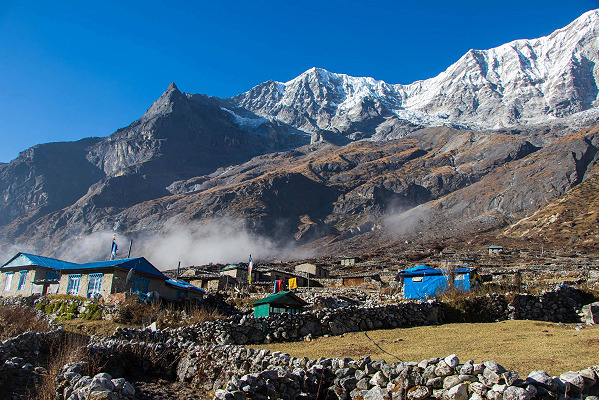
Langmale Kharka is an important overnight stop before the final approach to Makalu Base Camp.
Yangri Kharka to Langmale Kharka: 4,410m 5-6 hours
Langmale Kharka to Makalu Base Camp: 4,870m 6-7 hours
Explore Makalu Base Camp
Makalu Base Camp to Yangri Kharka: 6-7 hours
Yangri Kharka to Dobate: 6-7 hours
Dobate to Khongma Danda: 5-6 hours
Khongma Danda to Tashigaon: 4-5 hours
Tashigaon to Seduwa: 4-5 hours
Seduwa to Num: 5-6 hours
Num to Tumlingtar: 6-7 hours
Tumlingtar to Kathmandu: 50 mins flight
Final departure
Nepal 
Nepal
Nepal
Nepal
Nepal

 WhatsApp
 Plan Your Trip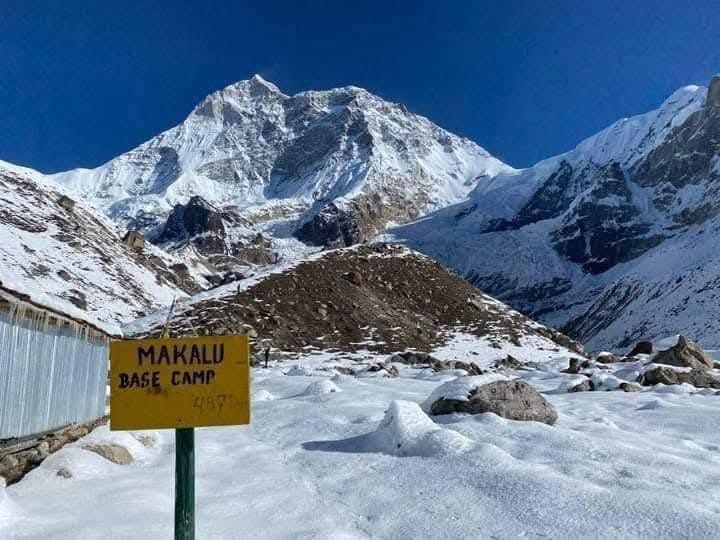


 Reviews 5/5
 Reviews 5/5
 Reviews 5/5