 WhatsApp
 Plan Your Trip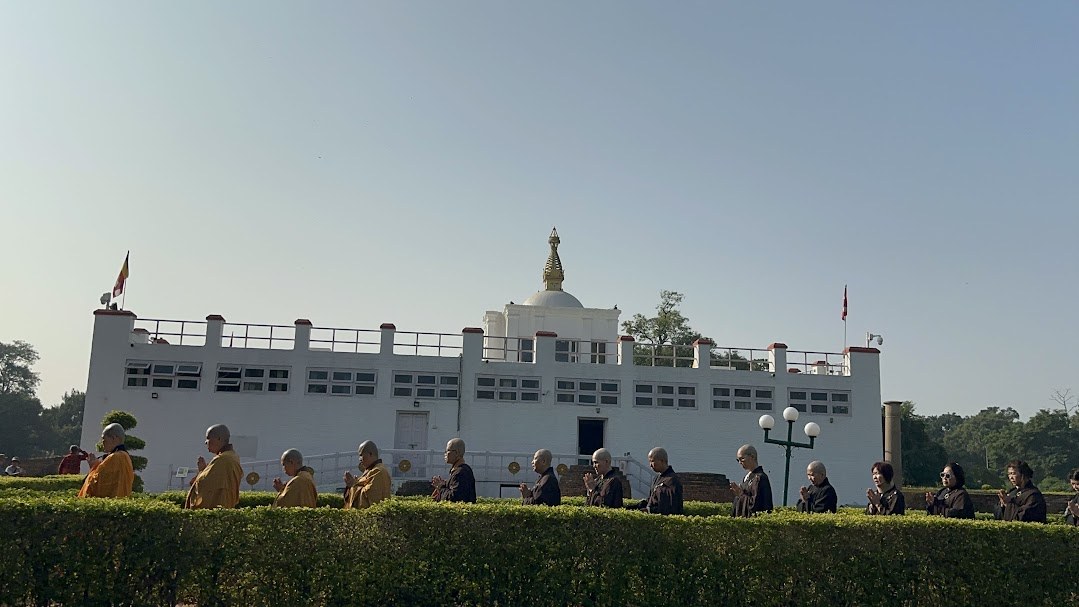
Lumbini Nepal Birth Place of Buddha
Some places feel different the moment you arrive. Lumbini is one of them. Tucked into the flat green plains of southern Nepal, this quiet village is where Siddhartha Gautama, the man who became the Buddha, was born more than 2,500 years ago. Today, it draws saffron-robed monks, curious backpackers, history lovers, and families from every corner of the world.
What makes Lumbini special is not just its history. It is the atmosphere: birdsong over still ponds, bells drifting from monasteries, and pilgrims circling an ancient site in silence. Whether you come for faith, for archaeology, or simply to slow down, Lumbini rewards you with something rare. This guide covers everything you need to plan your visit, from how to get there to what to see once you arrive.
Recommended Trips
Trips You May Like
Hand-picked Nepal trips related to this article.
Where Is Lumbini, Nepal?
Lumbini lies in Rupandehi District, in Lumbini Province, in the Terai, the low-lying plains of southern Nepal. It sits only a few kilometres from the Indian border, which is one reason it has long been part of the wider Buddhist geography of South Asia.
The landscape is a sharp contrast to the Himalayan image most people have of Nepal. Expect flat farmland, mango groves, and a warm, humid climate rather than mountain passes.
Approximate distances:
- Kathmandu to Lumbini: about 265 to 280 km by road, usually 8 to 9 hours depending on traffic
- Pokhara to Lumbini: about 200 km, usually 6 to 7 hours
- Bhairahawa (Siddharthanagar) to Lumbini: roughly 20 to 22 km
- Sonauli border (India) to Lumbini: roughly 25 km
- Chitwan National Park to Lumbini: around 5 to 6 hours by road
You can reach Lumbini by road, by air, or as part of an overland trip from India. The full breakdown is further down in the how-to-get-there section.
The History of Lumbini and Gautama Buddha
The Birth of Siddhartha Gautama
According to Buddhist tradition, Siddhartha Gautama was born around the 6th century BCE (scholars still debate the exact dates) into the Shakya clan, a ruling family whose territory covered parts of present-day southern Nepal and northern India. His father, Suddhodana, was the clan's leader, and his early life was one of comfort inside the royal household.
What happened next is the foundation of an entire world religion. Siddhartha eventually walked away from palace life, searched for answers about suffering, and attained enlightenment at Bodh Gaya in India. He then spent decades teaching across the Gangetic plains. It all started here, in a garden in Lumbini.
Queen Maya Devi and the Birth of Buddha
The story goes that Queen Maya Devi, pregnant with Siddhartha, was travelling to her parents' home to give birth, as was the custom. She stopped to rest in a grove of sal trees at Lumbini. There, holding the branch of a tree, she gave birth to her son. Tradition says she bathed in a nearby pond before the birth, a pond that visitors can still see today.
This moment is among the most cherished scenes in Buddhist art and storytelling, and it is exactly what pilgrims come to honour.
Emperor Ashoka and the Ashoka Pillar
About 249 BCE, the Mauryan emperor Ashoka visited Lumbini as a pilgrim. He left behind a sandstone pillar with an inscription in the ancient Brahmi script, which records that the Buddha was born at this spot and that the village was granted tax relief in his honour.
That pillar is the reason historians can point to Lumbini with such confidence. After centuries of neglect, the site faded from memory and the jungle took over. It was rediscovered in 1896, when the pillar's inscription was identified and read, finally anchoring the location on the map once again.
Lumbini as a UNESCO World Heritage Site
In 1997, UNESCO inscribed Lumbini as a World Heritage Site, recognising it as one of the most important places in the Buddhist world. The protected area includes the Maya Devi Temple, the sacred pond, the Ashoka Pillar, and archaeological remains of early monasteries. Lumbini's modern layout also follows a master plan created in the 1970s by the Japanese architect Kenzo Tange, which organises the area into a sacred garden, a monastic zone, and a village centre.
Why Is Lumbini Important to Buddhists?
For Buddhists, Lumbini is the first of the four great pilgrimage sites linked to the Buddha's life. The other three are Bodh Gaya (enlightenment), Sarnath (first teaching), and Kushinagar (passing away).
- The teachings. The Buddha's core ideas are simple to state and lifelong to practise: life involves suffering, suffering has causes, and there is a path to freedom through ethical living, mental discipline, and wisdom. The Middle Way, avoiding both extreme indulgence and extreme self-denial, remains central.
- A living pilgrimage. Pilgrims have been coming to Lumbini for over two thousand years. Today, you will meet devotees from Sri Lanka, Thailand, Myanmar, Japan, Vietnam, Korea, and beyond, chanting, offering flowers, and meditating beneath the trees.
- A place for peace and reflection. Even if you are not religious, Lumbini invites stillness. Its wide, car-free paths, ponds, and gardens make it unusually easy to switch off and think.
Top Places to Visit in Lumbini
Maya Devi Temple
This is the heart of Lumbini. The white temple structure protects the archaeological remains of earlier shrines, including brick foundations dating back more than two thousand years. Inside is the marker stone, which is believed to indicate the exact spot of the Buddha's birth, along with an ancient stone relief depicting the nativity. Visitors walk along raised wooden walkways above the ruins in a quiet, orderly line. Plan to spend at least an hour here.
Ashoka Pillar
Just beside the temple stands the Ashoka Pillar, the oldest evidence of Lumbini's identity as the Buddha's birthplace. The inscription is worn but meaningful, and standing in front of a monument placed by an emperor more than 2,200 years ago is a genuinely humbling experience.
Sacred Garden
The Sacred Garden is the protected core of Lumbini, covering the Maya Devi Temple, the Ashoka Pillar, the Puskarini sacred pond, and the remains of ancient monasteries and stupas. The grounds are shaded by old trees, including a famed bodhi tree that pilgrims tie prayer flags and offer lights to. Go early in the morning, when it is cool and quiet, and you may have long stretches of the garden almost to yourself.
World Peace Pagoda
A short distance from the main site, the gleaming white World Peace Pagoda was built by Japanese Buddhists and stands out against the flat horizon. Its golden Buddha figures face the four directions. It is a calm spot for sunset photographs and quiet sitting.
International Monastic Zone
This is where Lumbini feels like a journey around the world. Monasteries built by Buddhist communities from many countries sit side by side, each reflecting its own architectural style. The zone is divided into an east side, home to Theravada monasteries, and a west side with Mahayana and Vajrayana monasteries. Highlights often include the grand Myanmar Golden Temple, the German and Chinese temples, the Thai monastery with its elegant white form, and many more. The variety is a visual treat and an easy way to compare Buddhist traditions without leaving Nepal.
Lumbini Museum and Lumbini Crane Sanctuary
The Lumbini Museum displays artefacts connected to Buddhist history, including ancient coins, terracotta pieces, and manuscripts from the region. Not far away, the Lumbini Crane Sanctuary protects habitat used by the sarus crane, the tallest flying bird in the world. Combine the two for a nice mix of culture and nature, and keep your camera ready if you visit during a quiet moment of the day.
Things to Do in Lumbini
Lumbini is not a place for ticking off a checklist. It works best at a slower rhythm. Here are some ways to spend your time:
- Explore Buddhist monasteries. Step into prayer halls, admire murals, and, where welcomed, sit in on chanting.
- Visit sacred archaeological sites. Walk the Sacred Garden slowly and read the information boards.
- Meditate or sit in quiet reflection. Many monasteries welcome visitors to meditate, and some offer short retreats and courses.
- Learn about Buddhist cultures from different countries. Talk with monks and caretakers; many are glad to explain their traditions.
- Walk or cycle around the heritage area. The paths are long, flat, and peaceful. Bicycles and rickshaws are easy to rent locally if you do not want to walk the whole distance.
Best Time to Visit Lumbini, Nepal
- Autumn (October to November) and spring (February to April) are generally the most pleasant seasons. Skies are clearer, and the heat is manageable.
- Winter (December to January) is cool and often foggy in the mornings, though perfectly fine for sightseeing in daytime. Summer (May to June) can be very hot, and the monsoon (roughly June to September) brings heavy rain and humidity.
- Buddha Jayanti (Buddha Purnima). This falls on the full moon of the Nepali month of Baisakh, usually in April or May, and marks the Buddha's birth, enlightenment, and passing away. Lumbini is at its most vibrant then, with ceremonies, processions, and thousands of pilgrims. It is memorable, but also crowded and warm, so book transport and hotels well ahead.
Practical weather tips:
- Carry water, a hat, and sunscreen in hot months.
- Bring a light rain jacket for monsoon visits.
- Start sightseeing early, rest in the afternoon, and head out again in the late afternoon.
How to Get to Lumbini
- From Kathmandu. You can drive or take a tourist bus in about 8 to 9 hours, or fly to Bhairahawa in roughly 35 to 40 minutes and continue by road. Flying saves a full day if time is tight.
- From Pokhara. The road trip takes around 6 to 7 hours through the scenic hill roads and onto the plains. Buses and private vehicles run regularly.
- By air. Gautam Buddha International Airport, near Bhairahawa, serves the Lumbini region and is only a short drive from the sacred site. Check the latest flight schedules before planning, since airline routes can change.
- By road and private tours. A private vehicle with a driver is the most comfortable option, especially for families and small groups. It also lets you stop for meals and viewpoints on the way. Arranging a tour through a local operator can take away the stress of timing and logistics.
How Much Time Do You Need in Lumbini?
- One-day visit. Possible, especially if you fly in. You can see the Maya Devi Temple, the Sacred Garden, and a handful of monasteries. It will feel rushed, but it covers the essentials.
- Two-day experience. This is the sweet spot. Day one can focus on the Sacred Garden, with an early morning visit and an afternoon at the museum. Day two can be given to the monastic zone, the World Peace Pagoda at sunset, and a bit of time for meditation.
- Suggested longer itinerary. Many travellers include Lumbini in a wider Nepal journey, for example: Kathmandu (3 days), Chitwan (2 days), Lumbini (2 days), and Pokhara (2 to 3 days). It is a smooth loop that mixes culture, wildlife, and mountains.
Travel Tips for Visiting Lumbini
- Temple etiquette and clothing. Dress modestly. Cover your shoulders and knees, and remove shoes and hats before entering temples. Speak softly, avoid pointing your feet at statues, and walk clockwise around stupas and shrines.
- Photography. Photography is generally fine outdoors, but it is restricted or prohibited inside certain shrines, especially around the marker stone area, and in some monasteries. Look for signs and, when in doubt, ask. Never photograph monks or worshippers without permission.
- Accommodation, food, and transport. Lumbini has a range of stays, from simple guesthouses and monastery lodgings to comfortable hotels. Meals are mostly vegetarian-friendly, and you will find Nepali, Indian, and a few international dishes. Within the site, walking, cycling, or hiring a rickshaw or electric vehicle are the easiest ways to move around.
- Entry fees and current information. Fees for the Sacred Garden differ for foreign nationals, SAARC visitors, and Nepali citizens, and they can change. Always confirm current ticket prices, opening hours, and any special rules with the Lumbini Development Trust or your tour operator before you go.
Combine Lumbini With Other Nepal Destinations
- Lumbini and Kathmandu cultural tour. Pair the Buddha's birthplace with Kathmandu's Swayambhunath, Boudhanath, and the old royal squares of Patan and Bhaktapur for a full picture of Nepal's spiritual and artistic heritage.
- Lumbini and Pokhara tour. After the calm of Lumbini, Pokhara offers lakeside relaxation, mountain views over the Annapurna range, and optional adventure activities like paragliding.
- Lumbini and Chitwan National Park. Add a jungle safari to your trip. Chitwan is known for one-horned rhinoceroses, deer, and a wide range of birds, and it sits conveniently between Kathmandu and Lumbini.
Frequently Asked Questions About Lumbini
Is Lumbini really the birthplace of Gautama Buddha?
Yes. The Ashoka Pillar inscription, early archaeological findings, and long-standing Buddhist tradition all point to Lumbini. It is recognised as the Buddha's birthplace by UNESCO and by Buddhist communities worldwide.
Why is Lumbini important to Buddhism?
It is the place where the Buddha was born and the first of the four main pilgrimage sites linked to his life. It symbolises the beginning of a path that has shaped millions of lives for over two millennia.
How many days are enough to visit Lumbini?
One day covers the highlights; two days lets you explore without hurrying and enjoy the peaceful atmosphere.
What is the best time to visit Lumbini?
October to March is the most comfortable period. Buddha Jayanti in April or May is ideal if you want to see Lumbini at its most festive, though it is hotter and busier.
Is Lumbini worth visiting for non-Buddhists?
Absolutely. The history, architecture, nature, and calm are rewarding on their own. Many visitors say they came out of curiosity and left feeling unexpectedly refreshed.
Can tourists visit Lumbini without a guide?
Yes, you can explore independently. A guide, however, adds a lot of context about the history, symbolism, and monasteries, which can make the visit far richer.
Discover the Spiritual Heritage of Lumbini
Lumbini is more than a dot on the map. It is where a story began that went on to change how millions of people think about suffering, compassion, and peace. Walking through the Sacred Garden, watching pilgrims light butter lamps, or sitting by the quiet waters of the sacred pond, you do not need to be a Buddhist to feel the weight and gentleness of the place.
If you would like to experience it without worrying about transport, timing, or logistics, consider travelling with a local team that knows the area well. Nepal Unique Treks can arrange guided Lumbini tours, either on their own or combined with Kathmandu, Pokhara, and Chitwan, tailored to your pace and interests. Get in touch with the team to start planning your journey to the birthplace of the Buddha.