
The Thorong La Pass Trek is one of the most spectacular high-altitude adventures in Nepal, taking trekkers through the diverse landscapes, traditional villages, and dramatic Himalayan scenery of the Annapurna Region Trekking . Located at an elevation of 5,416 meters (17,769 feet), Thorong La Pass is the highest point of the classic Annapurna Circuit Trek and offers an unforgettable crossing between the Manang Valley and the sacred pilgrimage destination of Muktinath.
This adventure is an excellent choice for travelers looking for authentic Trekking in Nepal and challenging Hiking in Nepal. The route combines beautiful mountain scenery, diverse cultures, ancient monasteries, dramatic valleys, alpine landscapes, and traditional Himalayan settlements.
The Annapurna region is among Nepal's most popular trekking destinations because of its extraordinary combination of natural beauty and cultural diversity. Annapurna Region Trekking offers everything from relatively short village hikes to demanding high-altitude adventures.
The Thorong La Pass via Manang route is particularly impressive. Trekkers gradually travel from lower valleys into the high Himalayan environment, passing through villages such as Dharapani, Chame, Pisang, Manang, and Yak Kharka before reaching Thorong Phedi and crossing Thorong La Pass.
The journey then descends toward Muktinath Temple, one of Nepal's most important pilgrimage sites, before continuing through the distinctive landscapes of the Mustang Region Trek.
One of the major attractions of this trek is the gradual approach to Thorong La through Manang Village. Manang is a traditional Himalayan settlement surrounded by spectacular peaks and is an important acclimatization point on the Annapurna Circuit.
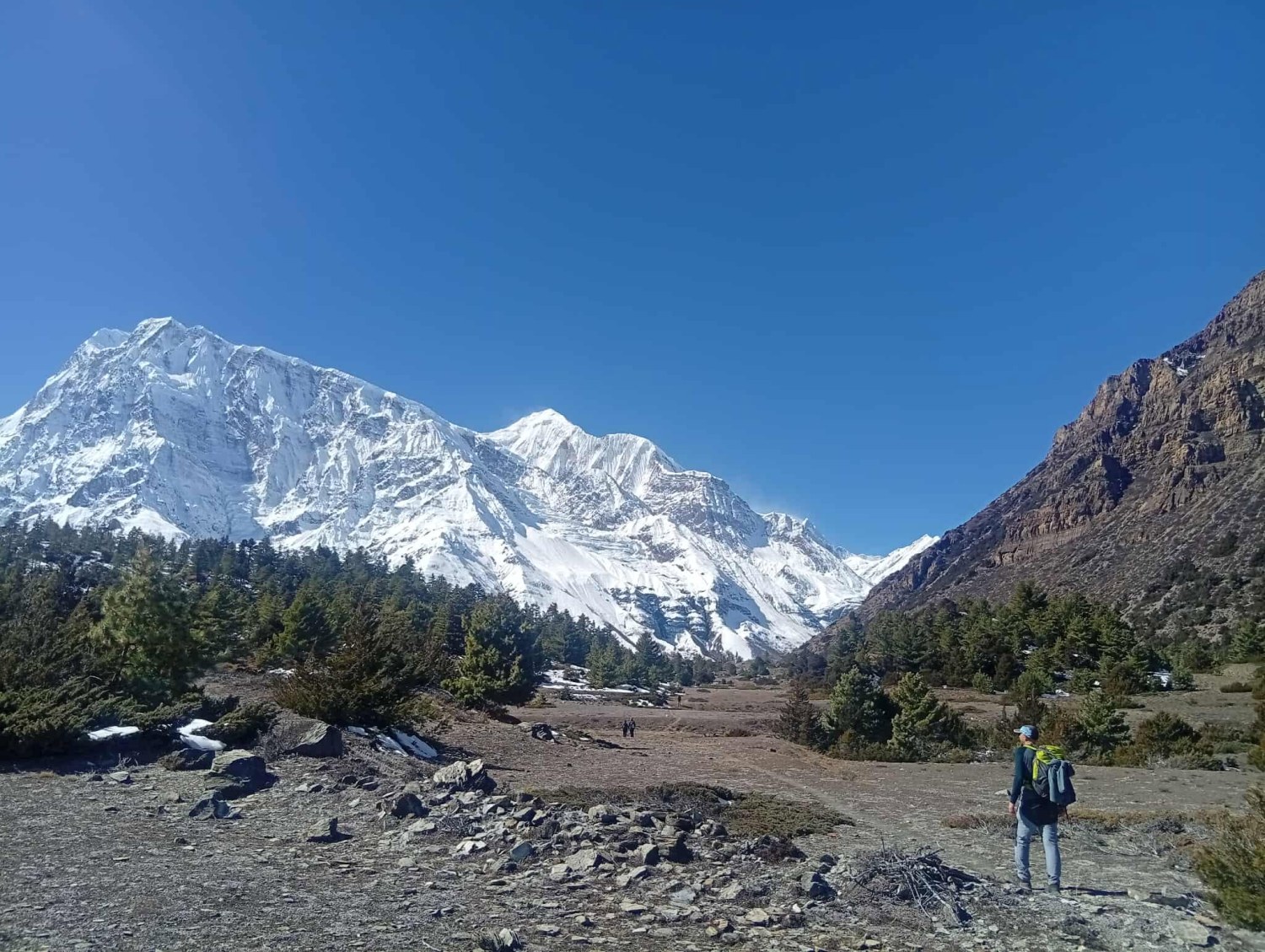
Spending time in Manang allows trekkers to explore the village, visit monasteries, interact with local communities, and prepare physically for the high-altitude crossing. The landscape changes dramatically as the trail climbs higher from green forests and rivers to dry valleys, rocky terrain, and snow-covered mountains.
Trekkers who want an even more rewarding Himalayan experience can combine the Annapurna Circuit Trek with Tilicho Lake. Tilicho Lake, situated at approximately 4,919 meters, is one of the world's highest-altitude lakes. Adding Tilicho Lake creates a longer and more challenging itinerary, but it provides spectacular scenery and an opportunity to explore another remarkable part of the Manang region before continuing toward Thorong La Pass.
For travelers with limited time, the standard Annapurna Circuit can be shortened by using road transportation on selected sections.
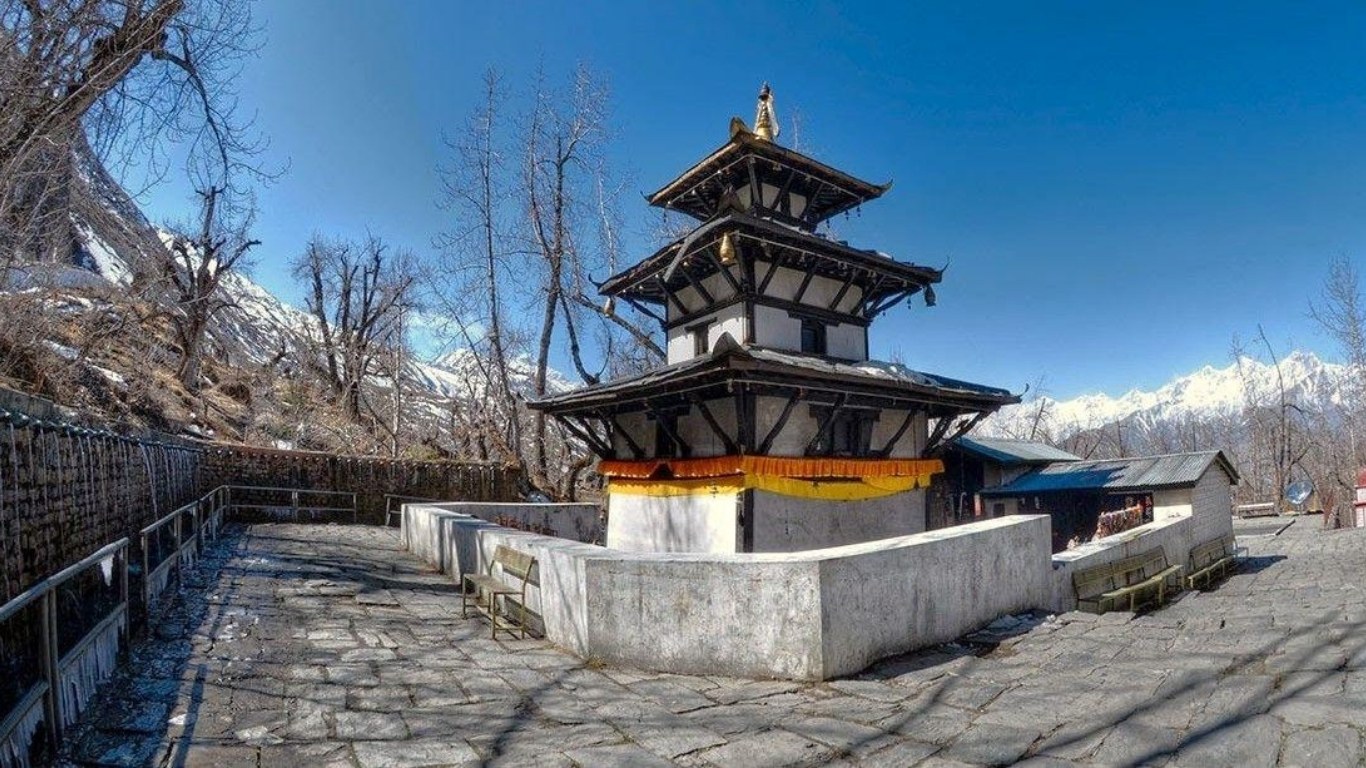
After crossing Thorong La Pass, the trail descends toward Muktinath Temple, a sacred pilgrimage destination revered by both Hindus and Buddhists.
The area surrounding Muktinath combines religious significance with extraordinary Himalayan scenery. The famous natural flame, temples, shrines, and 108 water spouts make Muktinath an important cultural highlight of the trek.
The transition from the high alpine landscape around Thorong La to the dry, dramatic landscapes of Mustang makes this section particularly memorable.
The lower sections of the Annapurna trekking routes pass through traditional Gurung Village communities where travelers can experience local hospitality, architecture, food, customs, and mountain lifestyles.
The region is culturally diverse, with Gurung, Magar, Thakali, Tibetan-influenced, and other Himalayan communities living along different sections of the trekking routes. For travelers interested in culture as well as mountains, the trek provides a wonderful opportunity to experience rural Nepal beyond the major tourist cities.
The Annapurna region offers trekking experiences for different levels of fitness and available time:
| Trek | Best For |
|---|---|
| Luxury Ghorepani Ghandruk Trek | Comfortable Annapurna experience with upgraded accommodation |
| Annapurna Circuit Trek | Complete Himalayan journey around the Annapurna massif |
| Annapurna Circuit Trek with Tilicho Lake | Circuit trek combined with high-altitude Tilicho Lake |
| Annapurna Base Camp Trek | Reaching the spectacular Annapurna Sanctuary |
| Annapurna Mini Trek | Short Himalayan trekking experience |
| Short Annapurna Base Camp Trek | Travelers with limited time |
| Ghorepani Poon Hill Trek | Sunrise views and moderate trekking |
| Ghorepani Ghandruk Trek | Short cultural and mountain-view trek |
A professional Trekking Guide can make the Thorong La Pass Trek safer and more enjoyable, particularly because the route reaches more than 5,400 meters.
Trekkers should be properly prepared for altitude, changing weather, long walking days, and the demanding Thorong La crossing. A licensed guide can assist with navigation, accommodation, local communication, acclimatization, and emergency coordination.
The trek also requires the appropriate the Annapurna Conservation Area Permit (ACAP), along with the applicable trekking registration requirements.
The Annapurna region is not only famous for trekking but also offers exciting opportunities for Peak Climbing in Annapurna Region.
Other permitted climbing peaks in the Annapurna region
For travelers interested in technical Himalayan adventures, Peak Climbing in Nepal provides opportunities to combine trekking with mountaineering under the supervision of experienced climbing guides.
The Thorong La Pass Trek is ideal for travelers who want to experience the diversity of the Annapurna Himalayas in a single journey. The trek combines:
Whether you choose the classic Annapurna Circuit Trek, Annapurna Circuit Trek with Tilicho Lake, Annapurna Base Camp Trek, Ghorepani Poon Hill Trek, or another Annapurna adventure, the region offers some of the finest experiences for Trekking in Nepal.
Upon your arrival at Tribhuvan International Airport in Kathmandu, our representative will welcome you and transfer you to your hotel. After check-in, you can rest and recover from your journey.
Depending on your arrival time, you may have an opportunity to explore the surrounding area of Kathmandu. In the evening, your trekking team will provide a briefing about the Thorong La Pass Trek, including the route, accommodation, meals, safety procedures, and preparation for the journey.
After breakfast, begin the journey toward the Annapurna region by road. The drive takes you through scenic countryside, rivers, terraced hills, forests, and traditional settlements.
The route gradually leaves the Kathmandu Valley and follows the highway toward the western and central hills before continuing toward the Marsyangdi Valley. As you approach Dharapani, the scenery becomes increasingly mountainous.
Dharapani is an important settlement on the Annapurna Circuit Trek and marks the beginning of the more traditional trekking environment.
Today your Annapurna Region Trekking adventure officially begins. The trail follows the Marsyangdi River through pine and fir forests, passing several traditional villages along the way.
You will gradually gain elevation while enjoying views of surrounding mountains. The trail passes through areas such as Bagarchhap and Danaque before reaching Chame, the administrative center of Manang District.
Chame offers beautiful views of Lamjung Himal, Annapurna II, and other surrounding peaks. You can also explore the village and enjoy the natural hot springs near the Marsyangdi River.
Leaving Chame behind, the trail continues through forests and narrow valleys toward Pisang. The landscape gradually changes as you climb higher into the drier upper Manang region.
Along the route, you will encounter dramatic rock formations and increasingly impressive views of the Annapurna range. The trail eventually reaches Pisang, where you can explore the traditional village and its Buddhist cultural features.
There are two main areas of Pisang—Lower Pisang and Upper Pisang. Upper Pisang provides an excellent location for enjoying mountain views.
Today is one of the most scenic days of the Annapurna Circuit Trek. You will continue toward Manang through the drier upper valley, with spectacular views of the Annapurna mountains.
The route can follow either the lower trail or the more scenic upper route through villages such as Ghyaru and Ngawal, depending on trail conditions and the itinerary.
The upper route provides excellent Himalayan scenery and a closer look at traditional mountain villages influenced by Tibetan Buddhist culture.
You eventually arrive at Manang, one of the most important settlements on the Annapurna Circuit.
Today is dedicated to acclimatization. Rather than simply resting all day, you can take a short hike around Manang and nearby viewpoints to help your body adapt to the increasing altitude.
You can explore the village, visit monasteries, walk toward nearby viewpoints, and enjoy magnificent views of Gangapurna and the surrounding Himalayan peaks.
Proper acclimatization is particularly important before continuing toward Thorong La Pass.
After acclimatization in Manang, the trail continues toward the high-altitude settlement of Yak Kharka.
The landscape becomes increasingly alpine, with fewer trees and more open mountain terrain. The trail climbs gradually through the Marsyangdi Valley while offering impressive views of the surrounding peaks.
As you approach Yak Kharka, the effects of altitude become more noticeable, so maintaining a slow and comfortable pace is important.
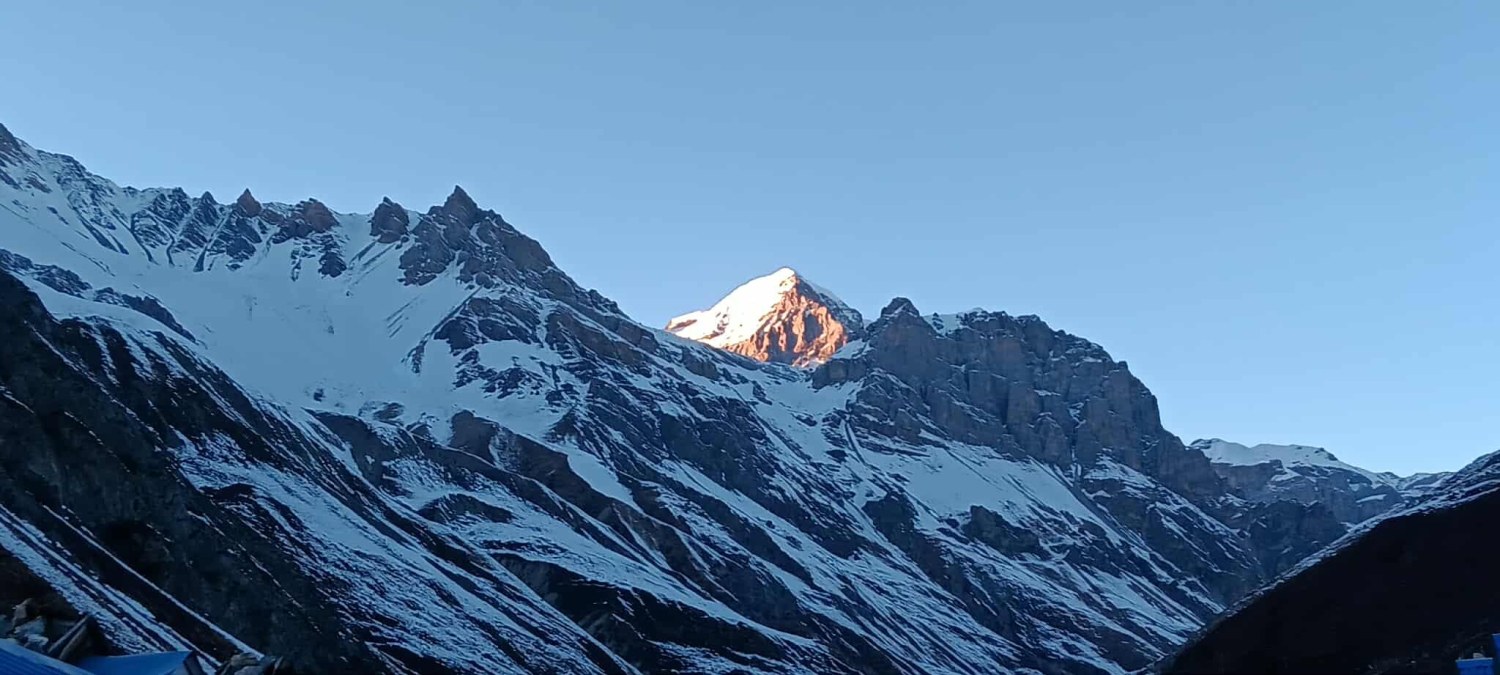
Today's trek takes you closer to the famous Thorong La Pass. The trail continues through a rugged high-altitude landscape toward Thorong Phedi, the traditional base for the pass crossing.
The walk is relatively short compared with some other days, allowing you to conserve energy for the demanding crossing ahead.
Depending on trail and accommodation conditions, some itineraries may use Thorong High Camp instead. Your trekking team will select the most appropriate overnight location based on weather, health, and trail conditions.
Today is the highlight of the entire Thorong La Pass Trek.
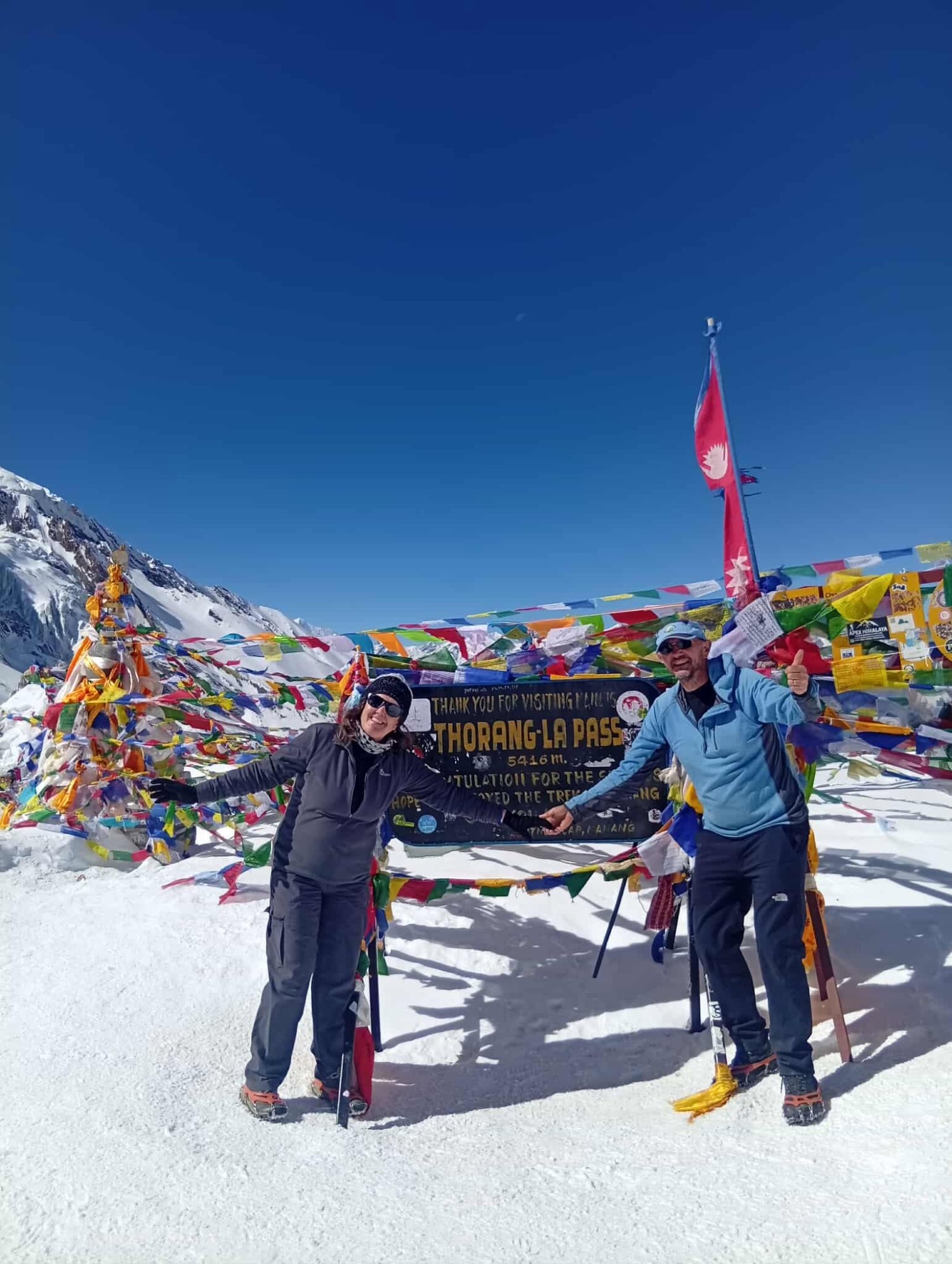
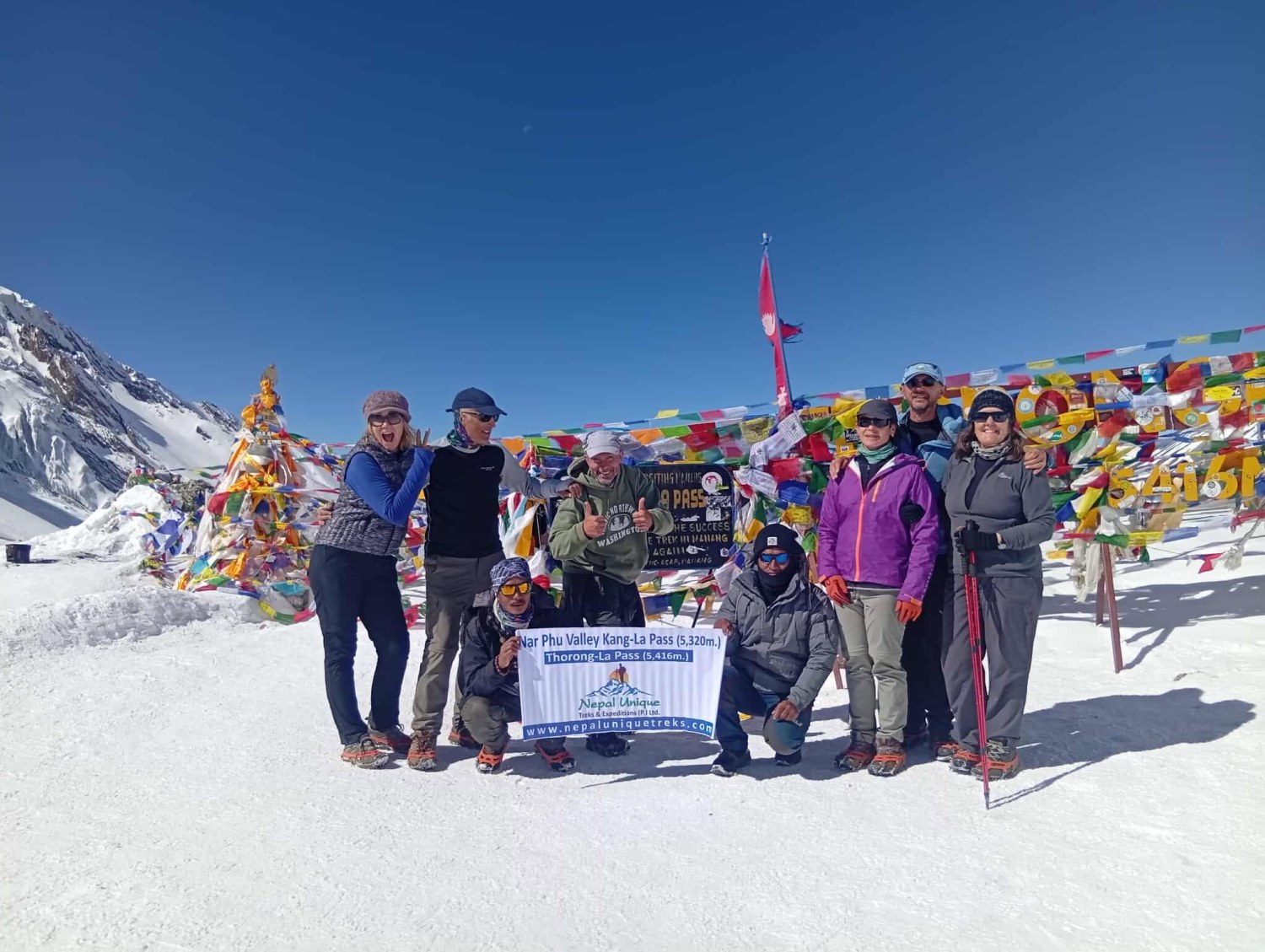
You will start early in the morning for the challenging ascent toward Thorong La Pass at 5,416 meters. The climb can be physically demanding because of the high altitude and cold conditions, but the spectacular Himalayan scenery makes the effort worthwhile.
After reaching the summit, celebrate this incredible achievement and take time to enjoy the panoramic mountain surroundings before beginning the long descent toward Muktinath.
Muktinath is a sacred pilgrimage destination and holds deep religious importance for both Hindus and Buddhists. After reaching Muktinath, you can rest and explore the area if time and energy permit.
After breakfast, leave Muktinath and travel through the spectacular Kali Gandaki Valley toward Jomsom. Depending on the chosen itinerary and road conditions, the journey can continue toward Pokhara by road.
The landscape changes dramatically after crossing Thorong La, with dry hills, cliffs, river valleys, and settlements characteristic of the Mustang region.
As you descend toward lower elevations, the climate becomes warmer and vegetation increases. Arriving in Pokhara provides a relaxing transition from the high Himalayan environment to the peaceful lakeside city.
After breakfast, return to Kathmandu by tourist vehicle. The road journey provides another opportunity to enjoy Nepal's countryside, terraced hills, rivers, and traditional settlements. If you choose to fly USD$120 extra , the short flight offers aerial views of the Himalayan landscape.
Upon arrival in Kathmandu, transfer to your hotel and enjoy your final evening in Nepal.
Your Thorong La Pass Trek officially concludes today. Our representative will transfer you to Tribhuvan International Airport according to your international flight schedule.
Take home unforgettable memories of crossing Thorong La Pass, exploring the Annapurna region, experiencing Himalayan culture, and completing one of Nepal's classic trekking adventures.
Our Thorong La Pass Trek package is designed to cover the essential services required for a safe and comfortable journey through the Annapurna region. The following services are included in the trekking package:
Transportation
Accommodation
Trekking Services
Trekking Equipment & Support
Additional Services
The following expenses and services are not included in the standard Thorong La Pass Trek package. Trekkers should prepare a personal budget for these additional costs:
Food & Drinks
Accommodation & Additional Nights
Trekking Equipment
Medical & Emergency Expenses
Other Exclusions
Important Note About Unforeseen Circumstances
Tipping
Tipping is a customary way of showing appreciation to your trekking guide, porters, and support staff for their hard work and service throughout the Annapurna Circuit Trek.
The best time for Thorong La Pass Trek is during spring (March to May). Autumn (September to November). These seasons usually bring weather, clearer mountain views and easier trekking across the Annapurna region. They are especially good for crossing the Thorong La Pass at 5,416 meters (17,769 feet).
Spring is one of the beautiful seasons for Thorong La Pass Trek. The days are usually easy to walk on mountain views are often very clear. The lower parts of the trail turn bright with blooming rhododendrons.
March can still bring mornings and occasional snow at higher heights. April and May are usually warmer. Give great conditions for trekking through Manang crossing Thorong La Pass and going toward Muktinath.
Autumn is considered the best trekking season for Thorong La Pass Trek. After the monsoon the air is usually clearer the landscapes are fresh. The mountain views can be spectacular.
October is particularly popular because of its weather and excellent visibility. November remains a month but temperatures slowly become colder especially in the mornings and at higher heights.
Winter trekking is possible for trekkers but December to February brings much colder temperatures and a higher chance of heavy snowfall around Thorong La Pass. Snow can make Thorong La Pass difficult or temporarily closed.
If you attempt Thorong La Pass Trek in winter you should be fully. Stay flexible because weather and trail conditions can change quickly.
The main monsoon period, June to August is usually less good for Thorong La Pass Trek. Rain can hit the middle parts of the Annapurna Circuit while clouds may reduce mountain views.
However the Manang and Mustang sides are partly in the rain shadow so some sections can stay relatively dry. So landslides, muddy paths leeches, in wet spots and transport problems can make the journey less predictable.
Overall recommendation: For the reliable experience plan your Thorong La Pass Trek in October, April, May late September or early November depending on your preferred weather and trekking conditions.
The Thorong La Pass Trek is considered a trek because of its high altitude, long walking days, steep ascents and descents and the demanding crossing of Thorong La Pass at 5,416 meters. It is not a mountaineering expedition but good physical preparation and proper acclimatization are essential.
The difficulty comes primarily from altitude than technical climbing. Trekkers walk on established mountain trails. The combination of thin air, cold temperatures, steep terrain and a long summit-day journey makes the pass crossing physically demanding.
Altitude is the challenge. The route gradually climbs from the valleys to the high mountain environment of Manang before reaching Thorong La Pass.
As elevation increases the amount of oxygen decreases. Proper acclimatization, an ascent, adequate hydration and a sensible walking pace are therefore important.
Crossing Thorong La is the demanding part of the trek. The pass stands at 5,416 meters (17,769 feet). Usually involves an early-morning start from Thorong Phedi or High Camp.
The ascent can be slow because of the altitude and the descent toward Muktinath is also steep and physically tiring.
Some trekking days can involve 6–9 hours of walking depending on the itinerary trail conditions, walking speed and acclimatization schedule.
The pass-crossing day is particularly demanding because trekkers gain elevation before descending on the other side.
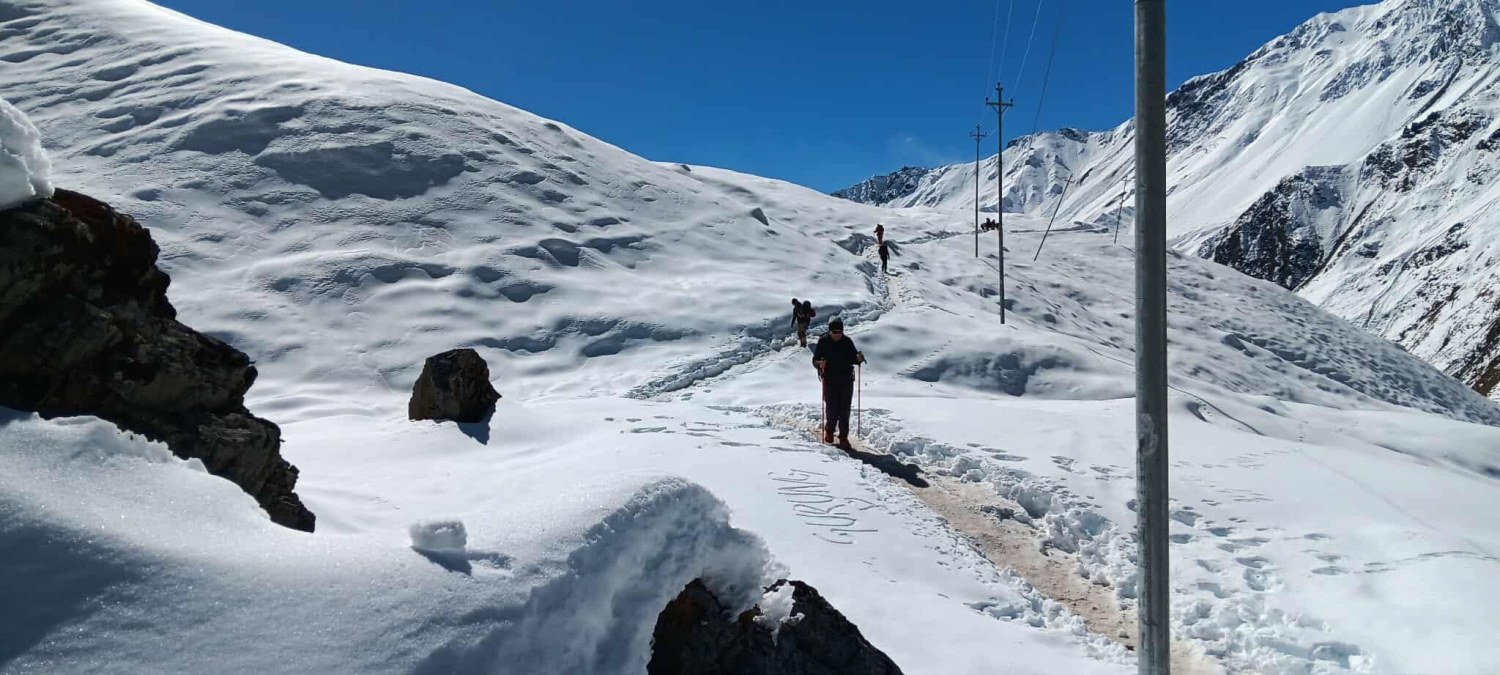
Weather at altitude can change rapidly. Winds, freezing temperatures, snowfall and reduced visibility may occur around Thorong La, particularly outside the main trekking seasons.
The route includes a mixture of trails, rocky paths steep uphill sections and long descents. Good leg strength, balance and endurance are helpful.
Yes, fit and well-prepared beginners can complete the Thorong La Pass Trek particularly when they choose an itinerary with acclimatization days and trek at a comfortable pace.
Previous altitude trekking experience is helpful but not mandatory. However beginners should not underestimate the trek. Regular cardiovascular exercise, hill walking, stair climbing and endurance training before the trip can make the experience considerably easier.
Start preparing weeks before departure. Useful training includes:
The objective is not speed. Consistent endurance and the ability to walk for hours at altitude are more important.
Altitude Safety
Altitude sickness is one of the concerns on the Thorong La Pass Trek. Symptoms such as headache, nausea, unusual tiredness, dizziness or loss of appetite should be taken seriously.
A responsible trekking itinerary should include acclimatization. Avoid unnecessarily rapid altitude gain. If symptoms become severe or worsen descending to an elevation is the safest response.
For this reason trekkers should follow their guides recommendations stay hydrated walk slowly and avoid trying to push through altitude-related symptoms.
Overall difficulty: Challenging
| Factor | Difficulty |
|---|
| Physical Fitness | Moderate to Challenging |
| Altitude | Challenging |
| Technical Climbing | Low |
| Walking Duration | Moderate to Challenging |
| Pass Crossing | Challenging |
| Experience Required | Helpful but not mandatory |
| Best for | Fit hikers and experienced trekkers |
With proper acclimatization, physical preparation, suitable equipment and an experienced trekking guide the Thorong La Pass Trek is an rewarding Himalayan adventure.
The Thorong La Pass Trek is ideal for travelers looking for an Annapurna Region Trekking experience without technical mountaineering. The journey combines Himalayan landscapes, traditional mountain villages, Buddhist culture, diverse terrain and the unforgettable achievement of crossing one of Nepals highest trekking passes.
For the experience choose the spring or autumn trekking seasons prepare your fitness beforehand allow adequate time, for acclimatization and take altitude and weather conditions seriously.
Accommodation on the Thorong La Pass Trek is generally provided in local tea houses and mountain lodges along the Annapurna Circuit trail. These teahouses offer a welcoming place to rest after a day of hiking. They also give trekkers a chance to experience Himalayan hospitality.
In Kathmandu and Pokhara accommodation is normally provided in a hotel according to the selected trekking package. During the trek rooms are usually on a twin-sharing basis. Most teahouses have rooms with beds, mattresses, blankets and shared bathrooms. At elevations facilities become more basic and private rooms may not always be available.
The food available along the Annapurna Circuit Trek is surprisingly varied. Popular meals include dal bhat, noodles, pasta, fried rice, soups, potatoes, Tibetan bread, momo, eggs, porridge and other simple local and international dishes. (Dal bhat) rice, lentils, vegetables and curry is especially popular among trekkers because it is filling and provides energy for long walking days.
Breakfast usually includes options such as porridge, eggs, bread, pancakes, Tibetan bread, tea or coffee. Lunch and dinner commonly include dal bhat, noodles, rice, pasta, soup, vegetables or other available meals.
At elevations food choices may become more limited because supplies must be transported from lower villages. Trekkers should therefore remain flexible. Choose nutritious easily digestible meals.
Safe drinking water is important throughout the Thorong La Pass Trek. Trekkers can purchase water or use treated water from local sources. Carrying a water bottle and using water purification tablets, a filter or another reliable purification method is recommended.
Staying properly hydrated is particularly important, at altitude because dehydration can make trekking more difficult and may worsen altitude-related symptoms.
A packing list for the Thorong La Pass Trek should have clothing that can handle changing temperatures, good trekking gear, sun protection, personal medicine and important papers. The weather in the mountains can change quickly so it is important to get ready for both hot and cold weather.
Packing tip: Do not bring things that are not needed. A lighter backpack is easier to carry during walks up and down especially when crossing the Thorong La Pass.
Safety and proper acclimatization are essential for a Thorong La Pass Trek. The highest point of the Thorong La Pass Trek 5,416 meters (17,769 feet). The combination of altitude cold temperatures, strong winds and strenuous walking can make the Thorong La Pass crossing demanding.
The Thorong La Pass Trek itself does not require mountaineering skills but Thorong La Pass trekkers need reasonable fitness and should respect the effects of altitude.
A gradual ascent gives the body time to adapt to decreasing oxygen levels during the Thorong La Pass Trek. A well‑designed Annapurna Circuit Trek itinerary should include acclimatization and avoid unnecessarily rapid elevation gain.
Do not rush the Thorong La Pass Trek simply to arrive at Thorong La Pass sooner. Walking slowly and maintaining a pace is generally more effective at high altitude.
Altitude sickness can affect anyone regardless of age or previous Thorong La Pass Trek experience.
Possible symptoms include:
Mild symptoms should be reported to the Thorong La Pass Trek guide and monitored carefully. If symptoms become severe worsen or include breathing or neurological problems do not continue ascending. Descending to an altitude and seeking medical assistance may be necessary.
Drink water regularly throughout the Thorong La Pass Trek day. Avoid alcohol because it can contribute to dehydration and interfere with acclimatization.
Warm soups, tea and other fluids can also help maintain hydration in the mountain environment of the Thorong La Pass Trek.
The Thorong La Pass crossing is normally started early in the morning. Early departure helps Thorong La Pass trekkers take advantage of stable morning conditions and allows sufficient time for the ascent and descent before afternoon weather can become more difficult.
The exact departure time depends on the season, weather, trail conditions and the Thorong La Pass Trek itinerary.
Mountain weather can change rapidly. Carry a jacket, warm layers, gloves, a hat and sun protection even when the morning begins with clear weather during the Thorong La Pass Trek.
At Thorong La, winds, cold temperatures, snow and reduced visibility can occur, particularly outside the main trekking seasons of the Thorong La Pass Trek.
Trekking poles can provide support on steep uphill sections and long descents of the Thorong La Pass Trek. They are particularly helpful when crossing uneven, rocky or potentially snowy sections of the trail.
UV exposure is stronger at altitude of the Thorong La Pass Trek. Wear sunglasses, apply sunscreen regularly. Protect exposed skin with appropriate clothing and a hat.
An experienced trekking guide can monitor trail conditions, weather, walking pace and signs of altitude problems during the Thorong La Pass Trek. Thorong La Pass trekkers should communicate openly with the guide if they feel unwell or unusually tired.
The goal is not simply to reach Thorong La Pass but to complete the Thorong La Pass Trek safely and enjoy the landscapes, villages, culture and Himalayan scenery of the Annapurna region.
Never ignore altitude symptoms just because a fixed itinerary exists. Weather and health conditions should always take priority over reaching a destination, on a particular day of the Thorong La Pass Trek.
With preparation suitable equipment, gradual acclimatization, adequate hydration and responsible trekking practices the Thorong La Pass Trek can be a challenging but highly rewarding Himalayan adventure.
The Thorong La Pass Trek is one of the rewarding high-altitude adventures in Nepal combining spectacular Himalayan scenery, traditional mountain villages, diverse landscapes and the famous crossing of Thorong La Pass at 5,416 meters (17,769 feet). As a section of the Annapurna Circuit Trek the journey takes you from the lush valleys and terraced farmland of the lower Annapurna region into the dry and dramatic landscapes of Manang and Mustang.
Find answers to the most frequently asked questions about this tour.
The Thorong La Pass Trek is a challenging high-altitude trekking adventure in Nepal and a famous section of the Annapurna Circuit Trek. The route crosses Thorong La Pass at 5,416 meters (17,769 feet) and passes through diverse landscapes, traditional Himalayan villages, Buddhist settlements, and the sacred pilgrimage site of Muktinath.
The Thorong La Pass Trek is considered challenging because of the high altitude, long walking days, steep ascents and descents, and the demanding pass crossing. It does not require technical climbing skills, but good physical fitness, proper acclimatization, and preparation are important.
The highest point is Thorong La Pass at 5,416 meters (17,769 feet) above sea level. Crossing the pass is the most demanding part of the trek and requires careful pacing and acclimatization.
The best time for Thorong La Pass Trek is generally spring (March to May) and autumn (September to November). October and April are particularly popular because they usually offer favorable trekking conditions, clear mountain views, and relatively stable weather.
Yes. Fit and well-prepared beginners can complete the Thorong La Pass Trek, especially when following a properly designed itinerary with adequate acclimatization. Previous high-altitude trekking experience is helpful but not essential.
The duration depends on the selected route and transportation arrangements. A typical Annapurna Circuit Trek with Thorong La Pass can take approximately 10–14 trekking days, while shorter itineraries are possible by using road transportation on certain sections.
Previous trekking experience is not mandatory. However, you should be comfortable walking for several hours a day on uneven mountain trails. Physical preparation, endurance training, and a gradual acclimatization schedule are strongly recommended.
Hiring a licensed trekking guide is highly recommended. A professional guide can assist with navigation, accommodation, altitude management, weather conditions, communication, and emergency situations. Current trekking regulations and permit requirements should also be checked before departure.
The trek normally requires the appropriate Annapurna Conservation Area Permit (ACAP) and trekking registration/documentation required under Nepal's current trekking regulations. Your trekking agency can arrange the necessary permits before you begin the trek.
Accommodation is mainly provided in local tea houses and mountain lodges. Rooms are generally simple and commonly arranged on a twin-sharing basis. Facilities become more basic at higher elevations, particularly around Thorong Phedi and other high-altitude settlements.
Teahouses offer a variety of meals such as dal bhat, noodles, fried rice, pasta, soup, potatoes, momo, eggs, pancakes, Tibetan bread, porridge, tea, and coffee. Dal bhat is especially popular because it is nutritious and provides plenty of energy for long trekking days.
Yes. Because the route reaches 5,416 meters, altitude sickness is an important consideration. Symptoms may include headache, dizziness, nausea, unusual tiredness, and loss of appetite. A gradual ascent, proper acclimatization, adequate hydration, and a slow walking pace can reduce the risk.
If serious or worsening symptoms occur, continuing higher is unsafe. Trekkers should inform their guide and descend to a lower altitude when necessary.
Begin physical preparation several weeks before the trek. Focus on walking, hiking, stair climbing, cardiovascular exercise, and leg-strengthening exercises. Gradually increase the duration of your training walks so your body becomes comfortable with extended periods of activity.
Essential items include trekking boots, warm layers, a waterproof jacket, down jacket, thermal clothing, gloves, warm hat, sunglasses, sunscreen, trekking poles, water bottles, a sleeping bag, personal medicines, a first-aid kit, and important travel documents.
Because temperatures can drop significantly at high altitude, warm clothing is particularly important for the Thorong La Pass crossing.
Temperatures around Thorong La can be extremely cold, especially during the early morning pass crossing and during winter. Strong winds and snowfall can make conditions feel even colder. Trekkers should carry suitable insulated clothing and remain prepared for sudden changes in mountain weather.
The Thorong La Pass crossing day is usually the most challenging. Trekkers typically begin early, climb from Thorong Phedi or High Camp to the pass, reach an altitude of 5,416 meters, and then descend toward Muktinath.
The combination of high altitude, cold temperatures, steep terrain, and a long walking day makes this section particularly demanding.
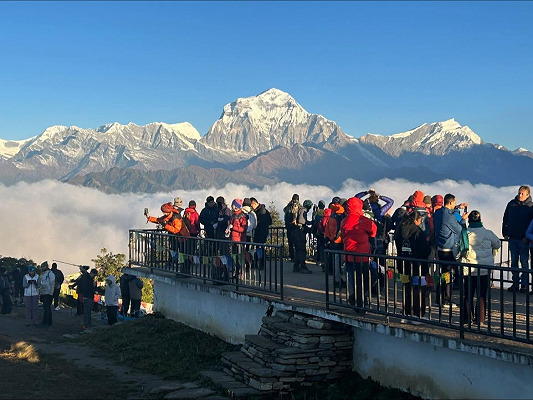
The trek offers views of some of the spectacular Himalayan peaks, including Annapurna II, Annapurna III, Annapurna IV, Gangapurna, Tilicho Peak, Nilgiri, Dhaulagiri, and other surrounding peaks, depending on the location and weather conditions.
Thorong La Pass is a major part of the classic Annapurna Circuit Trek, but the terms are not always identical. The Annapurna Circuit is the broader trekking route around the Annapurna massif, while the Thorong La Pass Trek emphasizes the journey toward and across the famous high mountain pass.
Yes. Annapurna Circuit Trek with Tilicho Lake is a popular extended version of the journey. Tilicho Lake, located at approximately 4,919 meters, adds another spectacular high-altitude destination to the Annapurna trekking experience.
Travel insurance is strongly recommended. Your policy should ideally cover high-altitude trekking and emergency medical evacuation, including helicopter evacuation where applicable. Always check the altitude limit and coverage conditions before purchasing your policy.
Winter trekking is possible for experienced and well-equipped trekkers, but December to February can bring freezing temperatures, snowfall, strong winds, and difficult conditions around the pass. The pass may become temporarily difficult or impossible to cross depending on snow and weather.
It is possible, but June to August is generally less favorable for the classic Annapurna Circuit because of monsoon rain, muddy trails, landslides, clouds, and transportation disruptions in some areas. The Manang and Mustang sides are relatively sheltered from the monsoon, but conditions can still change quickly.
The Thorong La Pass Trek cost depends on the itinerary, number of trekking days, transportation, accommodation standard, guide and porter services, permits, group size, and season. Additional expenses such as personal equipment, travel insurance, tips, drinks, and emergency evacuation are normally separate.
For an accurate price, travelers should request a current quotation based on their preferred itinerary and services.
Electricity and mobile/internet services are available in many villages, but connectivity can be limited or unreliable at higher elevations. Charging facilities may also cost extra at some teahouses. Carrying a power bank is recommended.
The Thorong La Pass Trek offers an extraordinary combination of Himalayan scenery, cultural experiences, traditional villages, high-altitude landscapes, and the achievement of crossing one of Nepal's most famous trekking passes.
It is an excellent choice for travelers seeking a challenging Trekking in Nepal experience and wanting to explore the spectacular Annapurna Region Trekking route.
Nepal 
Nepal
Nepal
Nepal
Nepal

 WhatsApp
 Plan Your Trip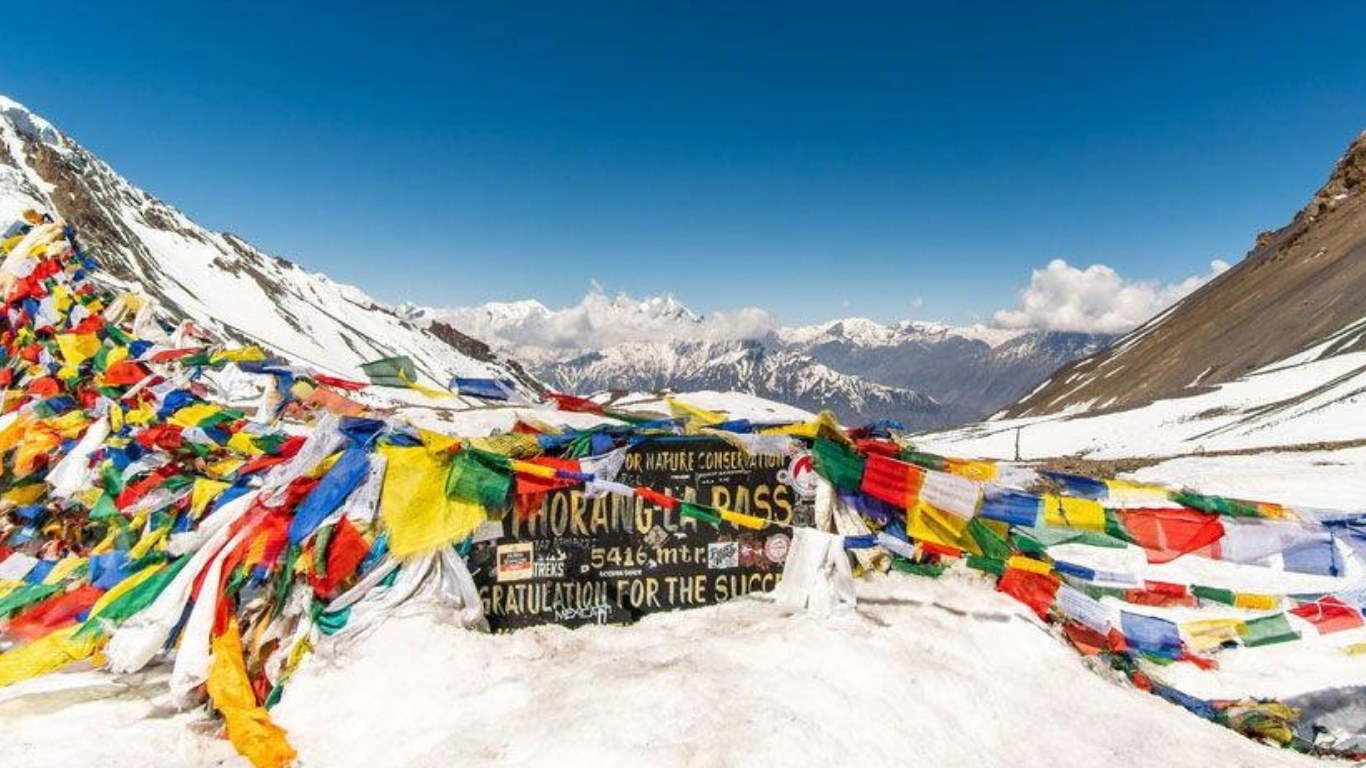


 Reviews 5/5
 Reviews 5/5
 Reviews 5/5