 WhatsApp
 Plan Your Trip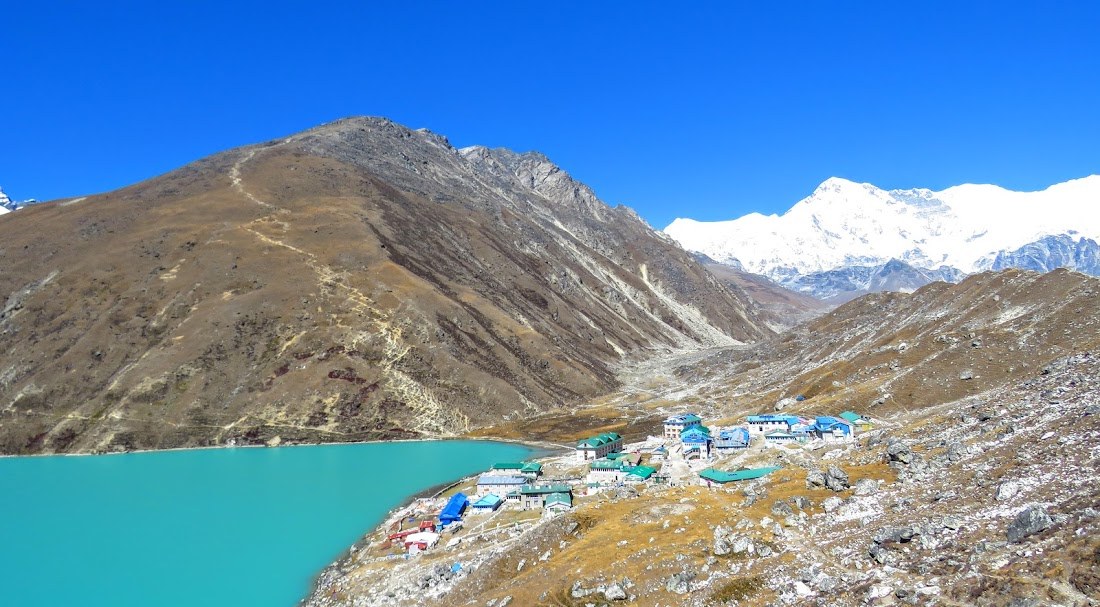
Best Time to Do Gokyo Valley Trek: Complete Seasonal Guide for 2026/2027
Tucked away in the shadow of the world's highest peaks, the Gokyo Valley is one of those rare places that still feels like a secret even though it sits right beside the famous Everest trail. Turquoise glacial lakes shimmer against a backdrop of snow-capped giants, prayer flags snap in the wind above Sherpa villages, and the summit of Gokyo Ri delivers one of the finest panoramas in the entire Himalaya, with four 8,000-meter peaks visible on a clear morning.
But here's the thing every trekker eventually learns: timing makes or breaks this journey. Trek at the wrong time and you might spend a week wading through cloud instead of gazing at Cho Oyu, Everest, Lhotse, and Makalu. Trek at the right time and every switchback feels like it's leading you somewhere extraordinary.
Recommended Trips
Trips You May Like
Hand-picked Nepal trips related to this article.
This guide breaks down exactly when to go, month by month, season by season, so you can plan a Gokyo Valley trip that matches your fitness level, your photography goals, and your tolerance for crowds and cold. Along the way, we'll cover the turquoise Gokyo Lakes, the Ngozumpa Glacier (the largest glacier in Nepal), the warm Sherpa hospitality of the Khumbu, and the practical details permits, packing, difficulty, and costs that turn a good idea into a well-planned adventure.
At Nepal Unique Treks, we've guided travelers through the Khumbu across every season of the year, and this article distills that field experience into one practical resource for anyone deciding when to book.
What Makes Gokyo Valley Trek Special?
Before diving into seasons, it helps to understand why this particular route in the Everest region trekking draws trekkers away from the more crowded Everest Base Camp trek. The UNESCO Sagarmatha National Park. The entire trek lies within a UNESCO World Heritage Site, protecting a landscape of alpine forest, glacial valleys, and rare wildlife alongside the world's highest mountains.
The Gokyo Valley Trek. Six glacial lakes make up this sacred system, considered holy by both Hindus and Buddhists. Dudh Pokhari, the lake beside Gokyo village, is famous for reflecting the surrounding peaks so perfectly that photographers plan entire trips around a single still morning. The Gokyo Ri Viewpoint. At 5,357 meters, Gokyo Ri offers what many veteran trekkers consider a better panorama than Everest Base Camp itself a sweeping arc that includes Everest, Lhotse, Makalu, and Cho Oyu in one frame.
The Ngozumpa Glacier. This is Nepal's largest glacier, a slow river of ice and rubble that trekkers cross en route to Gokyo Ri or the Renjo La and Cho La passes. Walking beside it gives a visceral sense of scale that photos never quite capture. Sherpa villages and Buddhist monasteries. Namche Bazaar, Khumjung, and Dole showcase Sherpa architecture, prayer wheels, chortens, and monasteries where daily life and Buddhist tradition are still deeply intertwined.
Wildlife. The park shelters Himalayan tahr, musk deer, pika, and colorful high-altitude birds like the Himalayan monal, Nepal's national bird. Fewer crowds than Everest Base Camp. Because Gokyo branches off the main EBC trail near Dole, it consistently sees a fraction of the foot traffic, even during peak season a major draw for trekkers who want Everest Region Trekking scenery without the congestion.
Best Time to Do Gokyo Valley Trek: Overview
If you only remember one thing from this guide, remember this: spring (March–May) and autumn (September–November) are the best seasons for the Gokyo Valley Trek, thanks to stable weather, clear mountain visibility, and manageable trail conditions. Winter and monsoon are viable for specific types of trekkers, but each comes with real trade-offs.
Season | Months | Weather | Visibility | Temperature (Gokyo, 4,750m) | Crowds | Recommendation | |
| SpringMarch–MayMild | increasingly stable | Good hazy by late May | hazy by late May | -8°C to 12°C | Moderate–High | Exclent | |
| Autumn | Sept–Nov | Clear, dry, stable | Best of the year | -12°C to 10°C | High | Best overall | |
| Dec–Feb | Cold, dry, occasional snow | Very good, crisp air | -20°C to 5°C | Low | Good for experienced trekkers | |
| Monsoon | Jun–Aug | Wet, cloudy, humid lower down | Poor, clouds often clear upper valley late afternoon | 0°C to 15°C | Very Low | Only for the well-prepared |
Spring Season (March–May)
Spring is when the Khumbu wakes up. Lower down the trail, rhododendron forests explode into red, pink, and white blossoms Nepal's national flower puts on its best show of the year between late March and April. Higher up, the valley itself stays stark and alpine, but the weather turns noticeably more stable as winter's grip loosens.
What to expect:
- Rhododendron forests in full bloom around Namche, Khumjung, and Phortse (lower altitudes only; Gokyo itself sits above the treeline)
- Progressively warmer daytime temperatures as the season advances
- Generally stable weather with occasional afternoon cloud build-up
- Snow-capped peaks still holding their winter coats, creating dramatic contrast against green hillsides lower down
- Active wildlife, including pheasants and Himalayan tahr
Temperature: Daytime temperatures in Gokyo typically range from 5°C to 12°C in April–May, dropping to -5°C or colder overnight. March can still feel wintry at altitude.
Photography: Spring offers a compelling mix—blooming rhododendrons in the lower valley combined with snow-draped peaks above. Morning light tends to be the clearest before afternoon haze or cloud sets in.
Pros:
- Comfortable daytime trekking temperatures
- Colorful, photogenic lower trail
- Good mountain visibility, especially in the morning
- Longer daylight hours than winter
Cons:
- Increasingly busy, particularly late April into May
- Afternoon haze can reduce distant visibility compared to autumn
- Occasional late-season snowfall at higher elevations
Who should trek in spring: Photographers who want blooming rhododendrons, trekkers who prefer milder temperatures over autumn's colder nights, and anyone hoping to combine Gokyo with a high pass crossing before monsoon arrives.
Autumn Season (September–November)
If you ask most guides in the Khumbu, autumn is the undisputed favorite—and for good reason. The monsoon rains wash the dust out of the sky, leaving some of the clearest air of the entire year. This is peak season for the Everest region, and Gokyo Valley is no exception.
What to expect:
- Crystal-clear skies, especially in October
- Some of the best mountain visibility of the entire year
- Stable, predictable weather with minimal rainfall
- Comfortable daytime temperatures and crisp, cold nights
- Nepal's biggest festivals—Dashain and Tihar—often fall within this window, along with Mani Rimdu at Tengboche or Thame monastery
Temperature: Daytime highs in Gokyo generally sit between 5°C and 10°C in October, dropping toward -5°C to -12°C at night by November.
Photography: This is the season serious photographers wait for. Reflections in Dudh Pokhari, sharp mountain silhouettes at sunrise from Gokyo Ri, and star-filled night skies are all at their best in October and November.
Advantages:
- Best mountain visibility of the year
- Reliable weather with low risk of flight delays
- Rich cultural experience thanks to major festivals
- Comfortable trekking conditions for most fitness levels
Disadvantages:
- The most crowded season on the trail and in teahouses
- Lukla flights can be fully booked weeks in advance
- Advance teahouse booking is strongly recommended in peak weeks
Ideal trekkers: Anyone prioritizing mountain views above all else, first-time Himalayan trekkers who want the most predictable weather, and travelers keen to witness Sherpa festivals firsthand.
Winter Season (December–February)
Winter transforms Gokyo into a hushed, snow-draped world. The lakes can freeze over, the trails empty out, and the mountains stand out with a sharpness that only cold, dry air delivers. It's not the easiest season, but it rewards well-prepared trekkers with solitude that's increasingly hard to find elsewhere in the Khumbu.
What to expect:
- Snow-covered landscapes above Namche, sometimes lower depending on the year
- Gokyo's lakes partially or fully frozen, especially by January
- Very cold nights, occasionally dropping well below -15°C at altitude
- Some teahouses in higher villages close or operate with limited services
- Dramatically fewer trekkers on the trail
Temperature range: Daytime temperatures in Gokyo can hover between -5°C and 5°C, while nighttime lows regularly fall to -15°C to -20°C in December and January.
Difficulty level: Winter raises the trek's difficulty. Icy trail sections, deep cold, and shorter daylight hours demand better gear, more caution on exposed ridgelines, and a realistic acclimatization schedule.
Necessary equipment: A four-season sleeping bag rated to at least -20°C, insulated trekking boots, crampons or microspikes for icy sections, a heavyweight down jacket, and thermal base layers are essential, not optional.
Benefits:
- Near-total solitude on trails that are packed in autumn
- Exceptionally clear, dry air for mountain views
- Lower teahouse prices and easier last-minute bookings
- A genuinely different, dramatic version of the same landscape
Challenges:
- Extreme cold, especially overnight
- Some lodges and services scaled back or closed
- Higher risk of trail ice near Dole and above
- Shorter days limit trekking hours
Monsoon Season (June–August)
Monsoon is the least popular season for Gokyo, and for good reason—but it's not without merit for the right traveler. Because Gokyo sits deep in a rain-shadow-influenced valley at higher elevation, it can actually experience a "lee-side effect," with somewhat less relentless rain than lower, more exposed parts of Nepal.
What to expect:
- Frequent rainfall, heaviest at lower elevations like Lukla and Phakding
- Persistent cloud cover that often clears briefly in early morning or late afternoon
- Lush, intensely green hillsides and wildflowers lower down
- Leeches on the lower sections of trail, particularly below Namche
- Regular flight delays and cancellations in and out of Lukla due to poor visibility
Advantages:
- Vivid green landscapes and blooming alpine flowers
- Virtually no crowds
- Occasional dramatic cloud-break views that reward patience
- Lower trekking permit and teahouse rates in some cases
Disadvantages:
- Poor and unpredictable mountain visibility
- Higher risk of landslides and trail damage on lower sections
- Frequent flight disruptions can throw off tight itineraries
- Leeches and humidity below Namche
Monsoon works best for flexible travelers with extra buffer days built into their itinerary, or those primarily interested in landscape lushness and cultural immersion over guaranteed mountain panoramas.
Month-by-Month Guide
January
Cold and dry with the clearest possible air. Gokyo's lakes are often frozen. Daytime temperatures hover near freezing; nights are brutally cold. Trails are quiet. Visibility is often excellent. Best for hardy, well-equipped trekkers seeking solitude.
February
Similar to January but with slowly lengthening days and a hint of thaw beginning at lower elevations. Snow still likely above Dole. Crowds remain minimal. A good transitional month for winter enthusiasts.
March
Early spring. Lower rhododendron forests begin blooming toward the end of the month. Weather starts stabilizing after winter, though snow is still possible at altitude. Crowds are moderate and building.
April
Peak spring month. Rhododendrons in full bloom lower down, comfortable daytime temperatures, and good mountain visibility, especially in the mornings. One of the most popular months to trek.
May
Warmer days, occasional afternoon haze or pre-monsoon cloud build-up. Good for those who want milder temperatures. Trails busier early in the month, quieter as monsoon approaches late May.
June
Early monsoon. Rain increases, especially at lower elevations. Upper valley can still offer clear early-morning windows. Green, lush scenery. Fewer trekkers.
July
Peak monsoon. Frequent rain, high humidity below Namche, persistent cloud at altitude. Flight delays common. Only recommended for flexible, well-prepared travelers.
August
Monsoon continues but begins tapering by late month. Lush landscapes, minimal crowds, unpredictable visibility. Trail conditions can be muddy and slippery on lower sections.
September
Post-monsoon transition. Early September can still see residual rain, but skies clear rapidly as the month progresses. By late September, visibility improves dramatically. A great time to beat the peak autumn crowds while still getting good weather.
October
The single most popular month for the Gokyo Valley Trek. Crystal-clear skies, stable weather, comfortable temperatures, and major festivals. Book flights and teahouses well in advance.
November
Excellent visibility continues, with colder nights than October. Crowds thin slightly toward the end of the month as winter approaches. A favorite among photographers for crisp air and dramatic light.
December
Early winter. Cold but generally dry, with good visibility. Snow becomes more common at higher elevations as the month progresses. Crowds drop off sharply after early December.
Weather by Altitude
Temperature and conditions shift dramatically as you climb from Lukla to Gokyo Ri. Here's a general daytime/nighttime temperature snapshot during peak trekking months (October–November and March–April):
| Location | Altitude | Daytime Temp (Peak Season) | Nighttime Temp (Peak Season) |
| Lukla | 2,860m | 15°C to 20°C | 5°C to 10°C |
| Phakding | 2610m | 15°C to 20°C | 5°C to 10°C |
| Namche | 3,440m | 10°C to 15°C | 0°C to 5°C |
| Dole | 4,110m | 8°C to 12°C | -5°C to 0°C |
| Machhermo | 4,470m | 5°C to 10°C | -8°C to -2°C |
| Gokyo | 4,750m | 5°C to 10°C | -10°C to -5°C |
| Gokyo Ri | 5,357m | 0°C to 8°C (summit, early morning colder) | Not typically overnighted |
These figures shift considerably in winter (colder throughout) and monsoon (warmer but wetter), so treat this as a peak-season baseline.
Best Season for Photography
Photographers chasing the perfect Gokyo shot should lean toward autumn, with spring as a strong second choice.
- Sunrise from Gokyo Ri: Clearest in October and November, when dawn light hits Everest, Lhotse, Makalu, and Cho Oyu with minimal haze.
- Sunset over the lakes: Both autumn and spring deliver strong color, though autumn's drier air tends to produce sharper, more saturated results.
- Milky Way photography: Winter and late autumn nights, with their dry, pollution-free air and minimal cloud cover, offer some of the best stargazing conditions in Nepal.
- Reflections in Gokyo Lakes: Calm, wind-free mornings are essential—early autumn mornings before wind picks up are typically the most reliable.
- Snow-covered mountains: Winter delivers the most dramatic snow coverage, while spring often still shows peaks in their winter coat lower down the season.
- Autumn colors: Look for golden hues in lower-elevation forests during October.
- Spring flowers: Late March through April, rhododendron forests near Namche and Phortse are unmatched.
Best Time for Families
Families with kids or less-experienced trekkers generally do best in late September through October or April. These windows offer the most predictable weather, moderate temperatures, and shorter daylight-driven trekking days, reducing risk factors like ice, extreme cold, or heavy rain. Avoid peak winter and monsoon with children due to extreme temperature swings and health/logistics considerations at altitude.
Best Time for Beginners
First-time high-altitude trekkers should target October or April, when trail conditions are most forgiving, weather is predictable, and the wider community of trekkers on the trail provides a reassuring, social atmosphere. These months also offer the best margin for error if acclimatization needs an extra day.
Best Time for Experienced Trekkers
Seasoned trekkers looking for more solitude or a bigger challenge should consider winter (December–February) for a quieter, starker version of the trek, or plan an autumn or spring trip that extends into the Renjo La Pass or Cho La Pass for a more demanding, high-altitude circuit. Winter crossings of Renjo La require solid experience with cold-weather trekking and, ideally, a guide familiar with current snow conditions.
Best Time to Combine with Everest Base Camp Trek
Many trekkers link Gokyo Valley with Everest Base Camp via the Cho La Pass (5,420m), creating one of the most rewarding high-altitude circuits in Nepal. This combined route—sometimes called the Everest Three Passes when Renjo La and Kongma La are included demands excellent fitness and full acclimatization.
Best months for this combination: Late September through November and March through May. These windows offer the stable weather and manageable snow conditions needed to safely cross Cho La, which can become dangerous or impassable after heavy snowfall. Guides at Nepal Unique Treks routinely monitor pass conditions before confirming a Cho La crossing date.
Festivals During the Gokyo Valley Trek
Timing your trek around a festival adds a rich cultural layer to the mountain scenery.
- Mani Rimdu Festival: Held at Tengboche Monastery (and at Thame in some years) in autumn, this masked-dance festival celebrates the triumph of Buddhism, drawing monks and villagers from across the Khumbu.
- Dashain: Nepal's biggest Hindu festival, typically falling in September or October, marked by family gatherings, feasting, and kite-flying even in trekking villages.
- Tihar: The festival of lights, usually following Dashain by a few weeks, featuring oil lamps, marigold garlands, and honoring animals across several consecutive days.
- Local Sherpa celebrations: Smaller village-level events, including Losar (Sherpa New Year) in winter, offer an intimate glimpse into Khumbu life for trekkers passing through at the right time.
Exact festival dates shift each year based on the lunar calendar, so it's worth checking current dates before booking if a festival is a priority.
Wildlife and Nature by Season
- Himalayan Tahr: Often spotted year-round on rocky slopes above Namche and Dole, most visible in clear autumn and spring light.
- Musk Deer: Shy and forest-dwelling, more commonly glimpsed in the quieter forested sections during shoulder seasons.
- Himalayan Monal: Nepal's vividly colored national bird, most active and visible in spring.
- Snow Pigeon: Common at higher elevations near Gokyo, especially in the colder months.
- Rhododendrons: Peak bloom in the lower forests during late March and April.
- Alpine flowers: Post-monsoon (September) and early summer bring wildflowers to higher meadows.
Packing List by Season
Spring
- Moisture-wicking base layers
- Fleece or light down mid-layer
- Waterproof, breathable outer shell
- Sun hat, sunglasses (UV protection essential at altitude), sunscreen
- Sturdy, broken-in trekking boots
Summer (Monsoon)
- Quick-dry clothing
- Sturdy rain jacket and rain cover for backpack
- Waterproof boots or gaiters
- Leech socks for lower-elevation sections
- Lightweight, breathable layers
Autumn
- Insulated down jacket
- Warm fleece and thermal base layers
- Trekking poles for descents on Gokyo Ri and glacier crossings
- Warm hat, gloves, buff or neck gaiter
- Sunglasses and sunscreen for high-altitude UV exposure
Winter
- Heavyweight down jacket (expedition grade)
- Four-season sleeping bag (-20°C rating or better)
- Insulated, waterproof trekking boots
- Microspikes or crampons for icy trail sections
- Thermal base layers, insulated gloves, and a warm hat
General essentials across all seasons: trekking poles, a good headlamp, water purification tablets or a filter, a basic first-aid kit, and a comfortable, well-fitted daypack.
Temperature Chart
Approximate daytime/nighttime temperatures in Gokyo village (4,750m) by month:
| Month | Daytime (°C) | Nighttime (°C) |
|---|---|---|
| January | -5 to 5 | -20 to -15 |
| February | -3 to 6 | -18 to -12 |
| March | 0 to 8 | -12 to -8 |
| April | 3 to 10 | -8 to -5 |
| May | 5 to 12 | -5 to 0 |
| June | 8 to 14 | 0 to 3 |
| July | 8 to 15 | 2 to 5 |
| August | 8 to 15 | 2 to 5 |
| September | 5 to 12 | -3 to 0 |
| October | 5 to 10 | -8 to -5 |
| November | 0 to 8 | -12 to -8 |
| December | -3 to 5 | -18 to -12 |
Gokyo Valley Trek Difficulty by Season
Trail condition: Autumn and spring offer the most stable, well-maintained trail surfaces. Winter introduces ice, particularly on shaded, north-facing sections above Dole. Monsoon brings mud and occasional landslide risk on lower stretches.
Altitude: The trek's highest points—Gokyo village and Gokyo Ri—remain physically demanding regardless of season, but cold-weather acclimatization in winter can be harder due to shorter rest windows and colder nights.
Acclimatization: Autumn and spring provide the most predictable conditions for a standard acclimatization schedule, including the customary rest day around Namche Bazaar or Dole.
Snow: Most likely in winter and occasionally in late spring or early autumn at higher elevations, particularly affecting the approach to Gokyo Ri and any pass crossing.
Rain: Concentrated in monsoon months, with the heaviest impact felt below Namche Bazaar.
Safety: Weather-related risks (whiteout on Gokyo Ri, icy trail sections, or monsoon landslides) are the primary seasonal safety factors; a licensed guide familiar with current conditions significantly reduces these risks.
Expert Tips
- Book Lukla flights as early as possible for October and April departures these sell out fastest.
- Add at least one buffer day to your itinerary in case of Lukla flight delays.
- Prioritize proper acclimatization days at Namche Bazaar and Dole, regardless of season.
- Start each day's trek early to catch the clearest morning visibility, especially before Gokyo Ri.
- Carry a reliable water purification method rather than relying solely on bottled water.
- Pack layers rather than one heavy garment—temperature swings between day and night are dramatic at altitude.
- Break in trekking boots weeks before departure to avoid blisters on summit day.
- Bring cash in Nepali rupees; ATMs become unreliable past Namche Bazaar.
- Consider trekking poles mandatory, especially for the Ngozumpa Glacier crossing.
- Download offline maps before losing reliable mobile signal.
- Purchase comprehensive travel insurance that explicitly covers high-altitude trekking and emergency evacuation.
- Respect local customs in monasteries and villages—ask before photographing people.
- Time your Gokyo Ri summit push for pre-dawn departure to catch sunrise and beat afternoon cloud build-up.
- Stay hydrated—altitude and dry mountain air dehydrate faster than most trekkers expect.
- Choose a government-licensed trekking company with experienced, English-speaking guides for safety and cultural insight.
- If trekking in winter, confirm teahouse availability in advance, as some close seasonally.
- If trekking in monsoon, treat trekking gear with waterproofing spray beforehand.
- Watch for signs of altitude sickness and never push through serious symptoms—descend if needed.
- Carry a basic personal medical kit, including diamox if recommended by your doctor.
- Book your permits and TIMS card through your trekking agency to save time in Kathmandu.
Why Trek with Nepal Unique Treks?
Choosing the right season is only half the equation choosing the right trekking partner is the other half. Nepal Unique Treks is a government-licensed trekking company built around firsthand knowledge of the Everest region.
- Government-licensed company operating fully within Nepal's tourism regulations
- Experienced local guides who grew up in or regularly work throughout the Khumbu region
- Safety-first approach, including close monitoring of weather, trail, and pass conditions before and during every trek
- Custom itineraries tailored to your fitness level, available time, and season of travel
- Fair, transparent pricing with no hidden costs
- Airport transfers included for a smooth start and end to your trip
- Small groups for a more personal, flexible trekking experience
- Personalized service, from pre-trip planning calls to on-trail support
- Sustainable tourism practices that respect local communities and the fragile Sagarmatha ecosystem
Frequently Asked Questions (FAQs)
What is the best month for the Gokyo Valley Trek?
October and April are generally considered the best months, offering the most stable weather and clearest mountain visibility.
Can beginners do the Gokyo Trek?
Yes. With a reasonable level of fitness and proper acclimatization, beginners can complete the Gokyo Valley Trek, especially when trekking in autumn or spring with an experienced guide.
Is October better than April?
Both are excellent, but October typically offers slightly clearer skies, while April offers milder temperatures and blooming rhododendrons at lower elevations. Neither is objectively "better"—it depends on your priorities.
Does it snow in Gokyo?
Yes, particularly from December through February, and occasionally during late spring or early autumn at higher elevations.
How cold is Gokyo in winter?
Nighttime temperatures in Gokyo village commonly drop to -15°C to -20°C during December and January, with daytime highs often staying near or just above freezing.
Is monsoon suitable for trekking to Gokyo?
It's possible but not ideal. Expect limited mountain visibility, wetter trail conditions, and a higher chance of flight delays into Lukla.
What permits are required for the Gokyo Valley Trek?
Trekkers need the Sagarmatha National Park entry permit and the Khumbu Pasang Lhamu Rural Municipality entry permit, both of which your trekking agency can arrange.
How difficult is Gokyo Ri?
Gokyo Ri involves a steep but non-technical climb to 5,357 meters. The main challenges are altitude and a demanding pre-dawn ascent rather than technical terrain.
How many days are needed for the Gokyo Valley Trek?
Most itineraries run 11–14 days round trip from Kathmandu, including acclimatization days.
Can I combine Gokyo with Everest Base Camp?
Yes, via the Cho La Pass, creating a longer, more demanding circuit best attempted in stable autumn or spring conditions.
What is the highest altitude reached on the trek?
Gokyo Ri, at 5,357 meters, is typically the highest point unless the itinerary is extended to include a high pass crossing.
Is travel insurance required?
While not always legally mandatory, travel insurance covering high-altitude trekking and emergency helicopter evacuation is strongly recommended and often required by trekking agencies.
Is Wi-Fi available on the trail?
Paid Wi-Fi or local SIM data is available in most villages up to Gokyo, though speed and reliability decrease with altitude.
What wildlife can I see on the trek?
Trekkers may spot Himalayan tahr, musk deer, pika, and colorful birds like the Himalayan monal, particularly in quieter shoulder seasons.
How much does the Gokyo Valley Trek cost?
Costs vary based on itinerary length, group size, and season, generally covering permits, guide and porter fees, teahouse accommodation, and domestic flights. Contact Nepal Unique Treks for a detailed, up-to-date quote tailored to your preferred season and itinerary.
There's no single "perfect" month for the Gokyo Valley Trek but there is a clear pattern. Spring and autumn consistently offer the best combination of weather stability, mountain visibility, and trail comfort, making them the top choices for most trekkers. Winter rewards those chasing solitude and dramatic, snow-draped scenery, while monsoon suits flexible travelers drawn to lush green landscapes over guaranteed mountain views.
Whichever season calls to you, the turquoise waters of Gokyo Lakes, the sweeping panorama from Gokyo Ri, and the quiet warmth of Sherpa villages along the way make this one of the most rewarding treks in the Everest region.
Ready to plan your Gokyo Valley adventure?
Contact Nepal Unique Treks today for a customized itinerary built around your ideal season, fitness level, and travel dates and let our experienced local guides show you the Khumbu the way it deserves to be seen.