The Upper Mustang Tea House Trek is an incredible journey into the remote and culturally rich landscapes of Nepal’s Mustang Region Trek. Also known as the Upper Mustang Trek or Lo Manthang Trek, this adventure takes you through ancient Tibetan-style villages, historic monasteries, dramatic cliffs, rocky canyons, and the spectacular high-altitude Himalayan desert. The trek offers a unique opportunity to experience the traditional lifestyle, Buddhist culture, and centuries-old heritage of the people living in this isolated region.
Located north of the Annapurna and Dhaulagiri ranges and close to the Tibetan border, Upper Mustang is often described as the “Last Forbidden Kingdom.” The region was opened to international trekkers only in 1992, helping preserve its distinctive Tibetan culture and traditions. The walled city of Lo Manthang, the cultural heart of Upper Mustang, is one of the major highlights of the trek, with ancient palaces, monasteries, whitewashed houses, and narrow alleyways reflecting the region’s fascinating history.
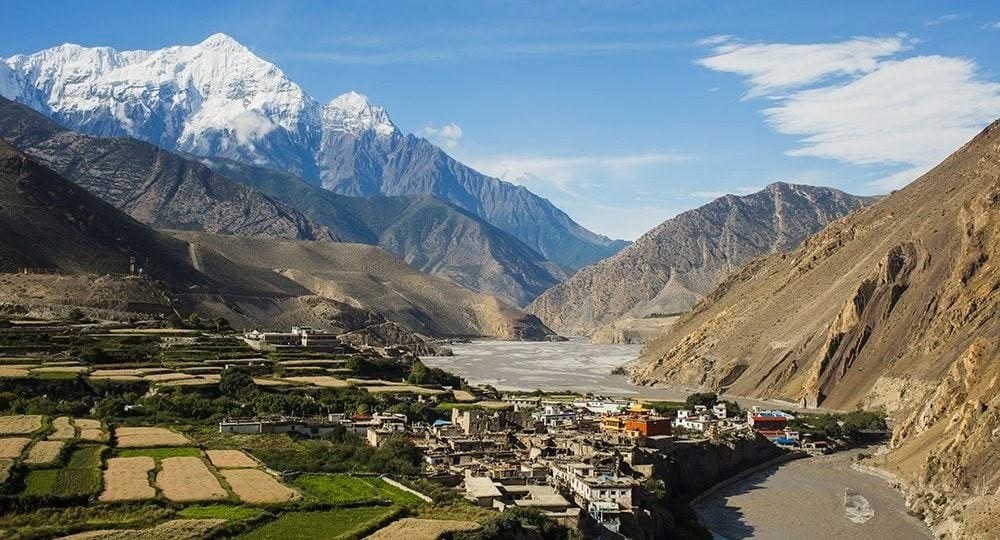
The Upper Mustang Tea House Trek follows trails along the Kali Gandaki Valley and through some of the most unusual landscapes in the Himalayas. From Kagbeni, an important traditional settlement, the trail gradually leads north toward Lo Manthang, passing through picturesque villages and spectacular geological formations. The route also offers views of the dramatic Kali Gandaki River gorge, colorful cliffs, caves, and barren landscapes shaped by centuries of wind and erosion.
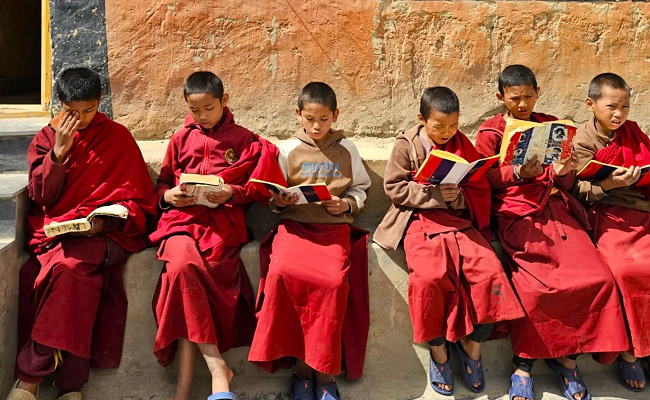
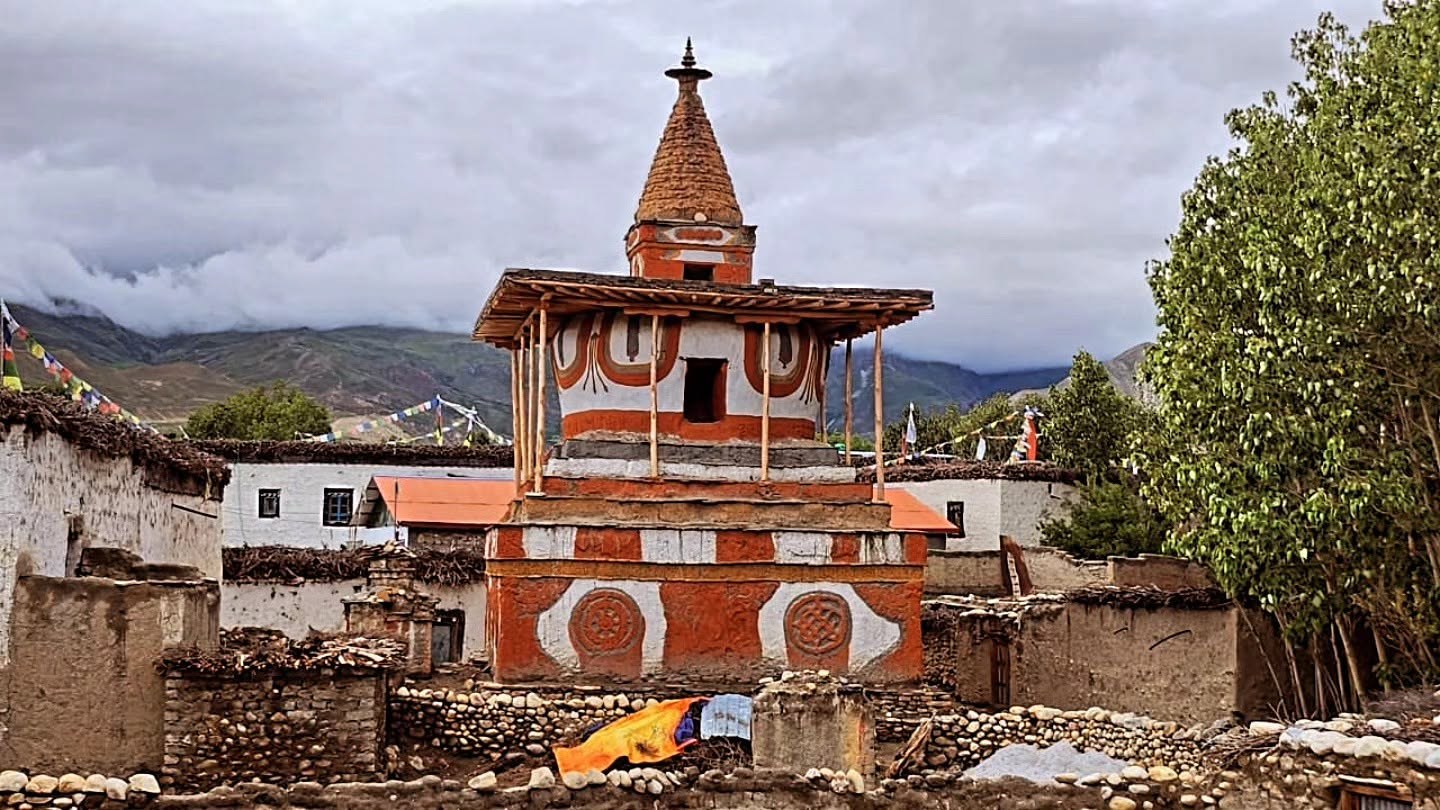
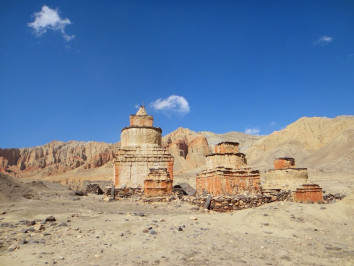
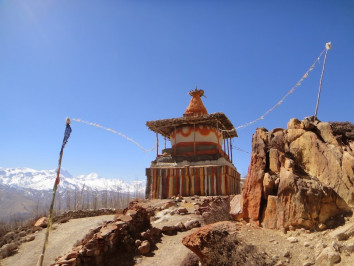
One of the most fascinating aspects of the Mustang Trek is its preserved Tibetan Buddhist culture. The local communities, including the Loba people, have maintained their traditional customs, architecture, language, and religious practices for generations. Ancient Buddhist monasteries, prayer flags, chortens, mani walls, and centuries-old paintings can be found throughout the region. Visitors can also learn about the traditional lifestyle of the people and experience the spiritual atmosphere of remote Himalayan villages.
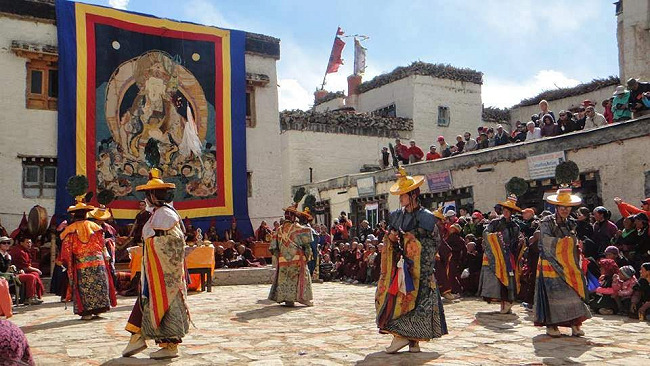
The Lo Manthang Trek is particularly rewarding for travelers interested in history and culture. The region is home to remarkable monasteries and religious sites containing ancient Buddhist art and murals. Traditional houses constructed from stone and sun-dried mud bricks add to the distinctive character of the settlements. If you travel during the appropriate season, you may also have the opportunity to witness the Mustang Tiji Festival Trek, one of the most important traditional Buddhist festivals celebrated in Lo Manthang.
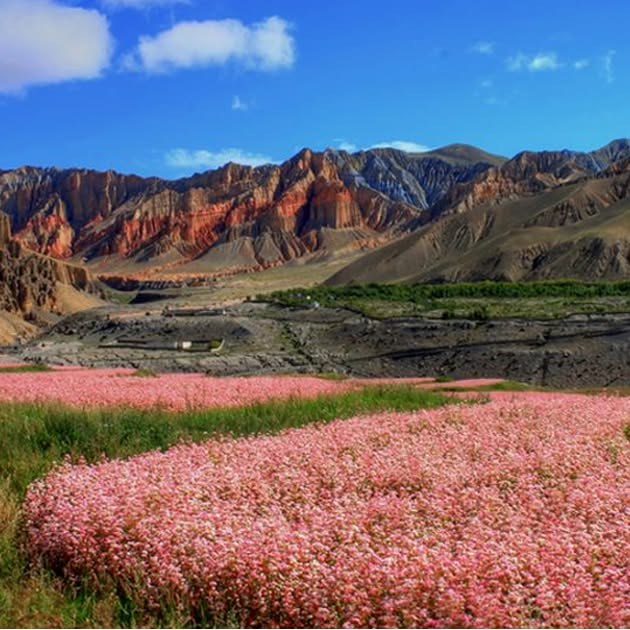
Unlike many popular trekking routes in Nepal, the Upper Mustang Tea House Trek combines wilderness, culture, history, and adventure in a remarkably remote setting. Although the landscape appears dry and barren, its colorful cliffs, deep valleys, caves, and snow-capped Himalayan surroundings create a fascinating contrast. The tea house accommodation along the route allows trekkers to stay in local lodges and experience the hospitality and everyday life of communities in the Mustang region.
Overall, the Upper Mustang Trek is an ideal adventure for travelers seeking an authentic Himalayan experience away from Nepal’s more crowded trekking routes. With its ancient Tibetan villages, Buddhist monasteries, dramatic Himalayan desert landscapes, historic Lo Manthang, and unique cultural heritage, the Upper Mustang Tea House Trek offers an unforgettable combination of exploration, cultural discovery, and high-altitude adventure.
The best time for the Upper Mustang Tea House Trek is from March to May (spring) and September to November (autumn). These seasons offer favorable weather, clear mountain views, comfortable trekking conditions, and relatively dry trails.
Mild temperatures, clear skies, and excellent visibility make spring a great time for trekking in Upper Mustang. The landscape begins to show more color, and the weather is generally stable.
This is considered the best overall season for the Upper Mustang Trek. The monsoon has cleared the atmosphere, providing excellent views of the Himalayas, while dry trails make walking more comfortable.
Trekking is possible, but very cold temperatures, snow, and the closure of some tea houses and lodges can make the journey more challenging.
Upper Mustang lies in the rain-shadow of the Annapurna and Dhaulagiri ranges, so it receives considerably less rainfall than much of Nepal. Therefore, Upper Mustang is one of the few Himalayan regions suitable for trekking during the monsoon season. However, strong winds and occasional rain can still affect the trail.
For the best combination of weather, mountain views, and tea-house availability, September and November is the recommended period for the Upper Mustang Tea House Trek.
Welcome to Kathmandu, the capital city of Nepal. Upon arrival at Tribhuvan International Airport, you will be welcomed by our representative and transferred to your hotel. You can spend the rest of the day relaxing or exploring the vibrant streets of Kathmandu. Overnight at a hotel in Kathmandu.
After breakfast, drive from Kathmandu to Pokhara, a beautiful lakeside city and the gateway to the Annapurna and Mustang regions. The scenic journey follows winding mountain roads alongside rivers, hills, and traditional villages. Upon arrival in Pokhara, enjoy the evening exploring the lakeside area. Overnight at a hotel in Pokhara.
Take an early morning flight from Pokhara to Jomsom, enjoying spectacular views of the Annapurna and Dhaulagiri mountain ranges. From Jomsom, begin your trek toward Kagbeni along the Kali Gandaki Valley. Kagbeni is an ancient settlement and the traditional gateway to Upper Mustang, featuring narrow alleys, traditional houses, Buddhist monuments, and fascinating Himalayan landscapes. Overnight at a tea house.
Your journey into Upper Mustang officially begins today. The trail follows the Kali Gandaki River through dramatic landscapes and traditional villages. Pass through Tangbe and Chhusang before gradually ascending toward Chele. The landscape becomes increasingly dry and rugged, offering your first true experience of the Himalayan desert of Upper Mustang. Overnight at a tea house.
Today is one of the more challenging sections of the trek as the trail crosses high passes and rugged terrain. The route passes through colorful cliffs, dry valleys, and traditional settlements before reaching Samar and continuing toward Syangboche. Enjoy spectacular views of the surrounding Mustang landscape and unique rock formations. Overnight at a tea house.
Continue through the remote landscapes of Upper Mustang, crossing high mountain passes and passing Buddhist chortens, mani walls, and traditional villages. The trail eventually descends toward Ghami, one of the most beautiful traditional villages in the region. Ghami is famous for its long ancient mani wall and distinctive Tibetan-style architecture. Overnight at a tea house.
Today's trek takes you through spectacular landscapes of red cliffs, rocky valleys, and ancient Buddhist monuments. Continue toward Charang, also known as Tsarang, an important historic settlement in Upper Mustang. Explore the traditional village, ancient monastery, and impressive whitewashed houses. Overnight at a tea house.
Today you reach the main destination of the Upper Mustang Tea House Trek, Lo Manthang. The trail crosses the Lo La Pass and provides spectacular views of the surrounding Himalayan desert. As you approach Lo Manthang, the historic walled city appears across the barren plateau. Explore the ancient settlement and experience its unique Tibetan Buddhist culture. Overnight at a tea house.
Spend a full day exploring the cultural and historical treasures around Lo Manthang. Visit ancient monasteries, traditional houses, historic sites, and the surrounding villages. You can also explore Chhoser, famous for its ancient cave settlements and remarkable Buddhist heritage. This is an excellent opportunity to experience the traditional culture and lifestyle of the people of Upper Mustang. Overnight at a tea house.
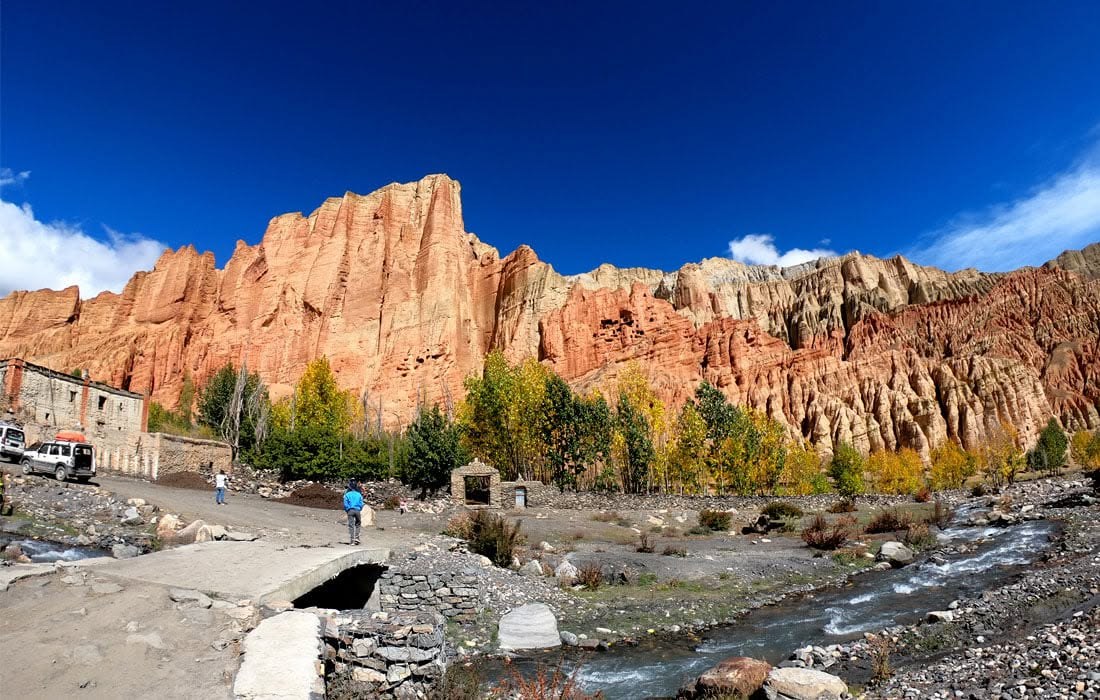
Leave Lo Manthang and begin your return journey through another spectacular section of Upper Mustang. The trail passes through high plateaus, dramatic cliffs, traditional settlements, and ancient Buddhist sites. Continue toward Dhakmar, a fascinating village surrounded by striking red rock cliffs. Overnight at a tea house.
Continue south through the remote Himalayan desert. The trail winds through dry valleys, colorful cliffs, Buddhist monuments, and traditional villages. Enjoy the changing landscapes as you gradually make your way toward Ghiling, a traditional Tibetan-influenced settlement. Overnight at a tea house.
Today's trail gradually descends toward lower Mustang. Along the way, enjoy magnificent views of the surrounding cliffs, valleys, and traditional villages. The changing elevation also brings noticeable changes to the landscape and vegetation. Continue toward Chhusang and relax at the tea house after your trek. Overnight at a tea house.
This is one of the longer trekking days as you follow the Kali Gandaki Valley toward Jomsom. The trail gradually descends through the dramatic landscape of Mustang. Enjoy your final views of the distinctive Himalayan desert before reaching Jomsom, the administrative center and major transportation hub of the Mustang region. Overnight at a hotel or tea house.
Take an early morning flight from Jomsom to Pokhara, weather permitting. During the flight, enjoy spectacular views of the Annapurna and Dhaulagiri mountain ranges. Upon arrival in Pokhara, check into your hotel and spend the rest of the day relaxing or exploring the beautiful lakeside city. Overnight at a hotel.
After breakfast, drive back to Kathmandu through scenic mountain landscapes, rivers, hills, and traditional settlements. Upon arrival, check into your hotel and enjoy your final evening in Nepal. You may spend the evening shopping for souvenirs or exploring the cultural streets of Kathmandu. Overnight at a hotel.a
Your 16-day Upper Mustang Tea House Trek comes to an end today. Depending on your flight schedule, you will be transferred to Tribhuvan International Airport for your international departure. We hope you return home with unforgettable memories of the spectacular landscapes, ancient monasteries, Tibetan culture, and historic villages of Upper Mustang.
The Upper Mustang Tea House Trek is considered a moderate to challenging trek. Although the maximum altitude is lower than some of Nepal’s famous high-altitude treks, the dry and remote terrain, long walking days, high mountain passes, and strong winds make it physically demanding.
Yes, physically fit beginners can complete the Upper Mustang Tea House Trek with proper preparation and a well-planned itinerary. Previous trekking experience is helpful but not essential. Regular cardiovascular exercise, walking or hiking practice, and strength training before the trek can make the journey considerably easier.
Because Upper Mustang is a restricted trekking area, trekkers must also follow the applicable permit and licensed-guide requirements.
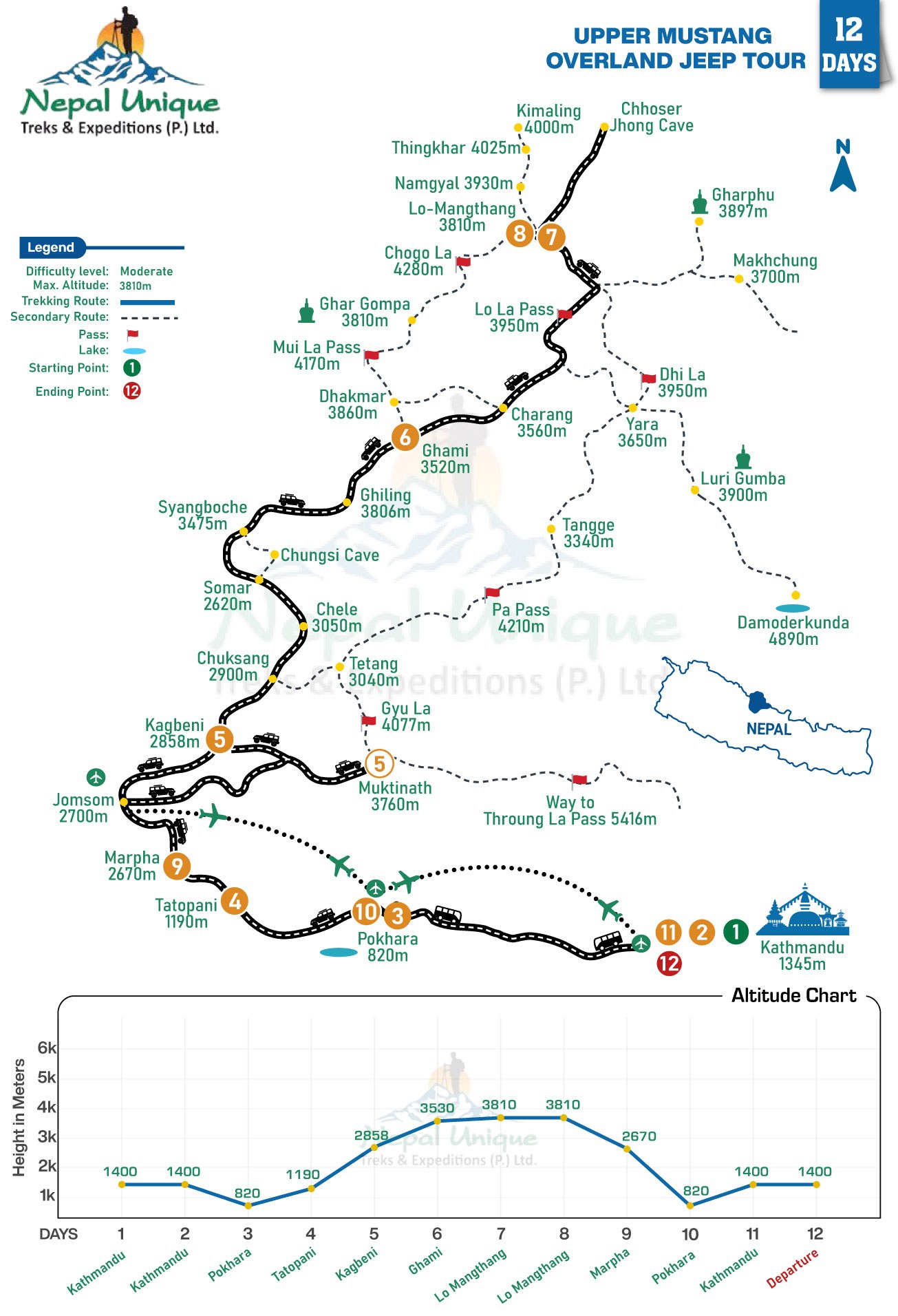
Upper Mustang can be explored in two main ways: trekking or an overland jeep tour. Both routes offer access to the spectacular landscapes, ancient monasteries, Tibetan villages, and historic Lo Manthang, but the experience is quite different.
| Feature | Upper Mustang Trekking | Upper Mustang Overland Jeep Tour |
|---|---|---|
| Experience | Immersive Himalayan trekking adventure | Comfortable road-based exploration |
| Difficulty | Moderate to challenging | Easy to moderate |
| Walking | Around 5–7 hours per day | Limited walking, mainly sightseeing |
| Duration | Usually 14–20 days | Usually 7–12 days |
| Best for | Hikers, adventure seekers, cultural explorers | Families, seniors, groups, and travelers with limited time |
| Scenery | Experience landscapes slowly on foot | See more destinations by vehicle |
| Culture | More interaction with villages and local communities | Cultural visits with shorter stays |
| Accommodation | Tea houses/local lodges | Hotels, guesthouses, and tea houses |
| Fitness required | Good physical fitness recommended | Basic fitness generally sufficient |
| Remote areas | Deeper immersion through trekking trails | Access remote areas by 4WD roads |
| Main advantage | Authentic trekking experience | Faster and more comfortable |
The Upper Mustang Trek is ideal if you want to experience the region at a slower pace. Walking through the Kali Gandaki Valley, traditional villages, barren Himalayan landscapes, and ancient Buddhist settlements gives you a deeper connection with the environment and local culture.
It is particularly suitable for travelers who enjoy hiking, photography, cultural exploration, and adventure. Tea-house accommodation also allows you to stay in local communities along the route.
The Upper Mustang Overland Jeep Tour is a better choice if you have limited time or prefer not to undertake several days of hiking. A 4WD jeep allows you to travel between major attractions, including Kagbeni, Ghami, Tsarang, and Lo Manthang, while experiencing the dramatic Himalayan desert scenery.
It is especially convenient for families, older travelers, and those who are not comfortable with long-distance trekking. However, road journeys can be bumpy, and some sections may be affected by weather and road conditions.
Find answers to the most frequently asked questions about this tour.
The Upper Mustang Tea House Trek is a culturally rich trekking adventure through the remote landscapes of northern Nepal. The trek takes you from the lower Mustang area toward Lo Manthang, passing traditional Tibetan-style villages, ancient Buddhist monasteries, caves, dramatic cliffs, and the high-altitude Himalayan desert. Staying in local tea houses allows trekkers to experience the traditional hospitality and lifestyle of the Mustang communities.
The best seasons for the Upper Mustang Trek are spring (March to May) and autumn (September to November). These months generally offer stable weather, clear mountain views, and comfortable trekking conditions. Upper Mustang is also located in the rain shadow of the Annapurna and Dhaulagiri ranges, making it suitable for trekking during the monsoon compared with many other Himalayan regions.
The Upper Mustang Tea House Trek is generally considered a moderate to challenging trek. The difficulty comes mainly from the high altitude, long walking days, dry terrain, strong winds, and several high passes. Previous high-altitude trekking experience is helpful, but trekkers with good physical fitness and proper preparation can complete the journey.
Depending on the itinerary, the trek crosses several high passes, with Lo La Pass (around 3,950 m) and other sections reaching close to or above 4,000 meters. The exact highest altitude depends on the route and itinerary selected.
A typical Upper Mustang Trek takes around 14–20 days, depending on the starting point, acclimatization days, transportation arrangements, and the number of days spent exploring Lo Manthang. Customized itineraries can be shorter or longer.
The trek traditionally starts from Kagbeni, after traveling to the Mustang region from Pokhara. Modern itineraries may use road transportation to reach different trailheads, depending on the chosen route and current road conditions.
Yes. Tea house trekking is available in Upper Mustang, particularly along the established trekking route. Tea houses and local lodges provide basic accommodation and meals. Facilities become more basic in remote villages, so trekkers should expect simple rooms and limited amenities rather than luxury accommodation.
Accommodation is generally provided in family-run tea houses and local lodges. Most offer simple twin-sharing rooms, beds, blankets, and shared bathroom facilities. Facilities vary between villages, and hot showers, electricity, Wi-Fi, and charging facilities may be available for an additional fee in some locations.
Trekkers entering Upper Mustang need a Restricted Area trekking permit in addition to the relevant Annapurna Conservation Area Permit (ACAP). The restricted-area permit must be arranged through an authorized trekking agency, and independent solo trekking is not permitted in Upper Mustang.
Yes. Because Upper Mustang is a restricted trekking area, trekkers must travel with a licensed guide and meet the applicable group and permit requirements. Trekking with a guide also makes navigation, accommodation, logistics, and cultural interactions much easier.
The trek can be suitable for fit and well-prepared beginners, but it should not be treated as an easy trek. The high altitude, remote environment, long walking days, and limited facilities require good physical preparation. Beginners should choose a suitable itinerary with sufficient acclimatization days.
Yes. Altitude sickness (AMS) is a potential concern because the trek reaches high elevations. Proper acclimatization, gradual ascent, adequate hydration, sufficient rest, and avoiding rapid altitude gains are important. Trekkers should immediately inform their guide if they develop symptoms such as severe headache, dizziness, nausea, unusual fatigue, or breathing difficulties.
Essential items include:
Yes. Upper Mustang is located in the rain shadow of the Annapurna and Dhaulagiri mountain ranges, so it receives much less rainfall than many other trekking regions in Nepal. June to August can therefore be a viable trekking period. However, road conditions, strong winds, clouds, and occasional rainfall can still affect travel.
Yes, if your itinerary coincides with the annual Tiji Festival in Lo Manthang. This colorful three-day Buddhist festival features traditional dances, rituals, masks, and religious ceremonies. The exact dates change each year, so travelers should plan their trek according to the festival calendar.
The Upper Mustang Trek is particularly famous for its combination of Tibetan culture, ancient Buddhist heritage, dramatic desert landscapes, historic villages, caves, and remote Himalayan scenery. Unlike greener trekking regions, Mustang has a distinctive arid landscape that resembles the Tibetan Plateau.
Internet and mobile connectivity are limited and can vary significantly between villages. Some tea houses provide Wi-Fi, usually for an additional charge, while mobile coverage may be available in selected areas. Trekkers should be prepared for periods without reliable connectivity.
Tea houses generally serve a mixture of Nepali, Tibetan, and basic Western trekking food. Dal bhat, noodles, rice, pasta, soups, Tibetan bread, momos, eggs, and potatoes are commonly available. Menus become more limited in remote villages.
The Upper Mustang Tea House Trek is ideal for travelers looking for a unique combination of adventure, culture, history, and Himalayan scenery. From ancient monasteries and Tibetan villages to the mysterious landscapes of Lo Manthang, the trek provides an opportunity to explore one of Nepal's most distinctive and culturally preserved regions.
Nepal 
Nepal
Nepal
Nepal
Nepal

 WhatsApp
 Plan Your Trip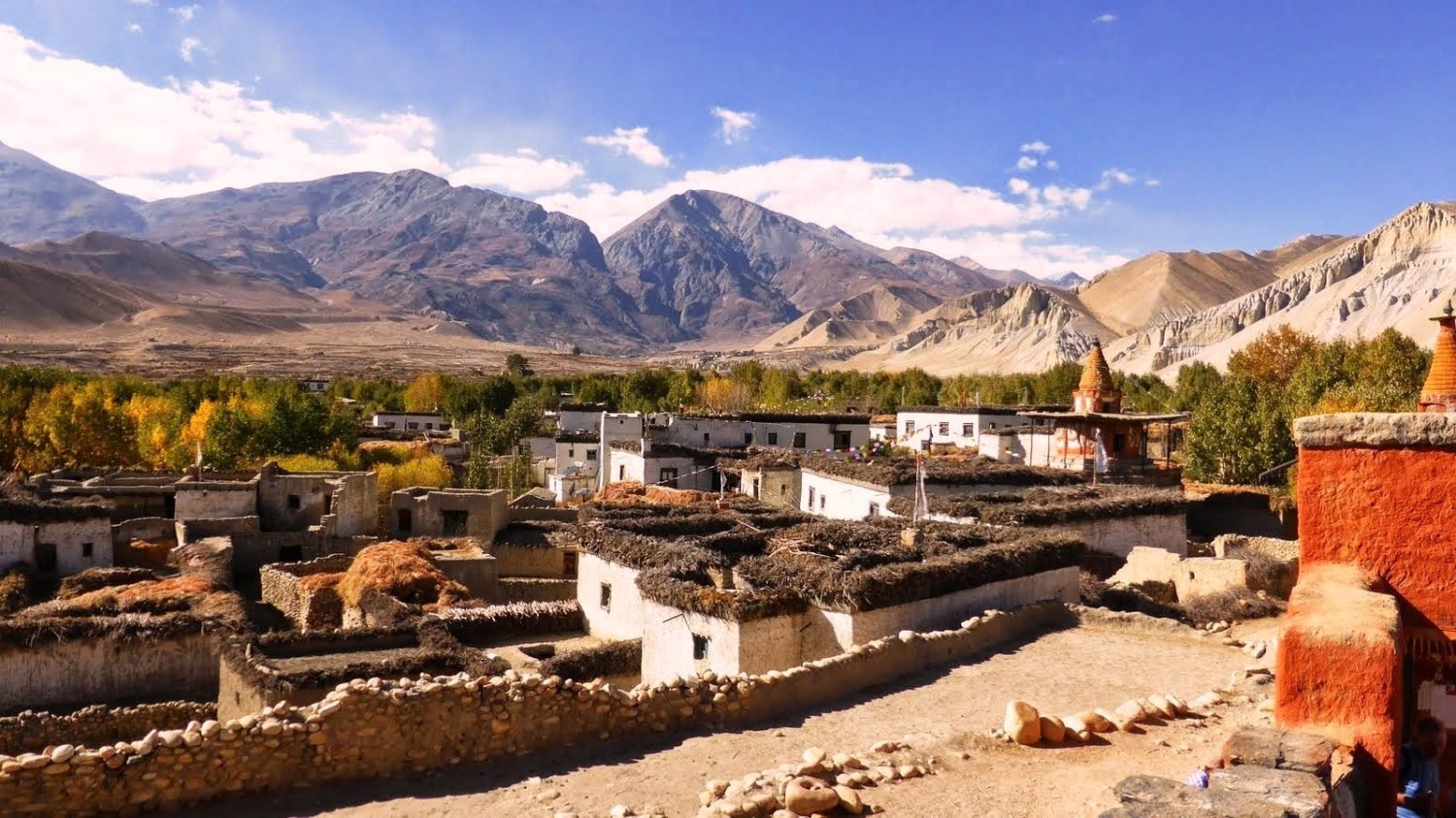


 Reviews 5/5
 Reviews 5/5
 Reviews 5/5