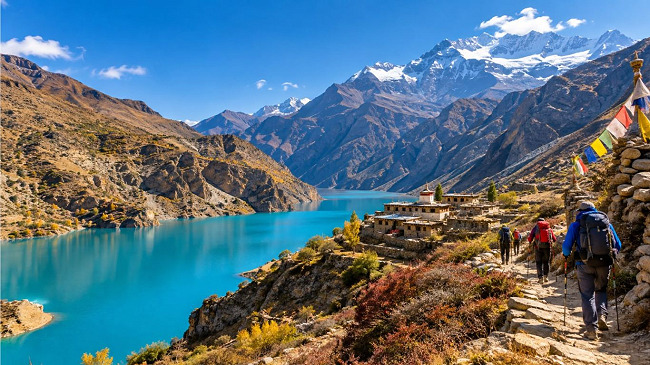
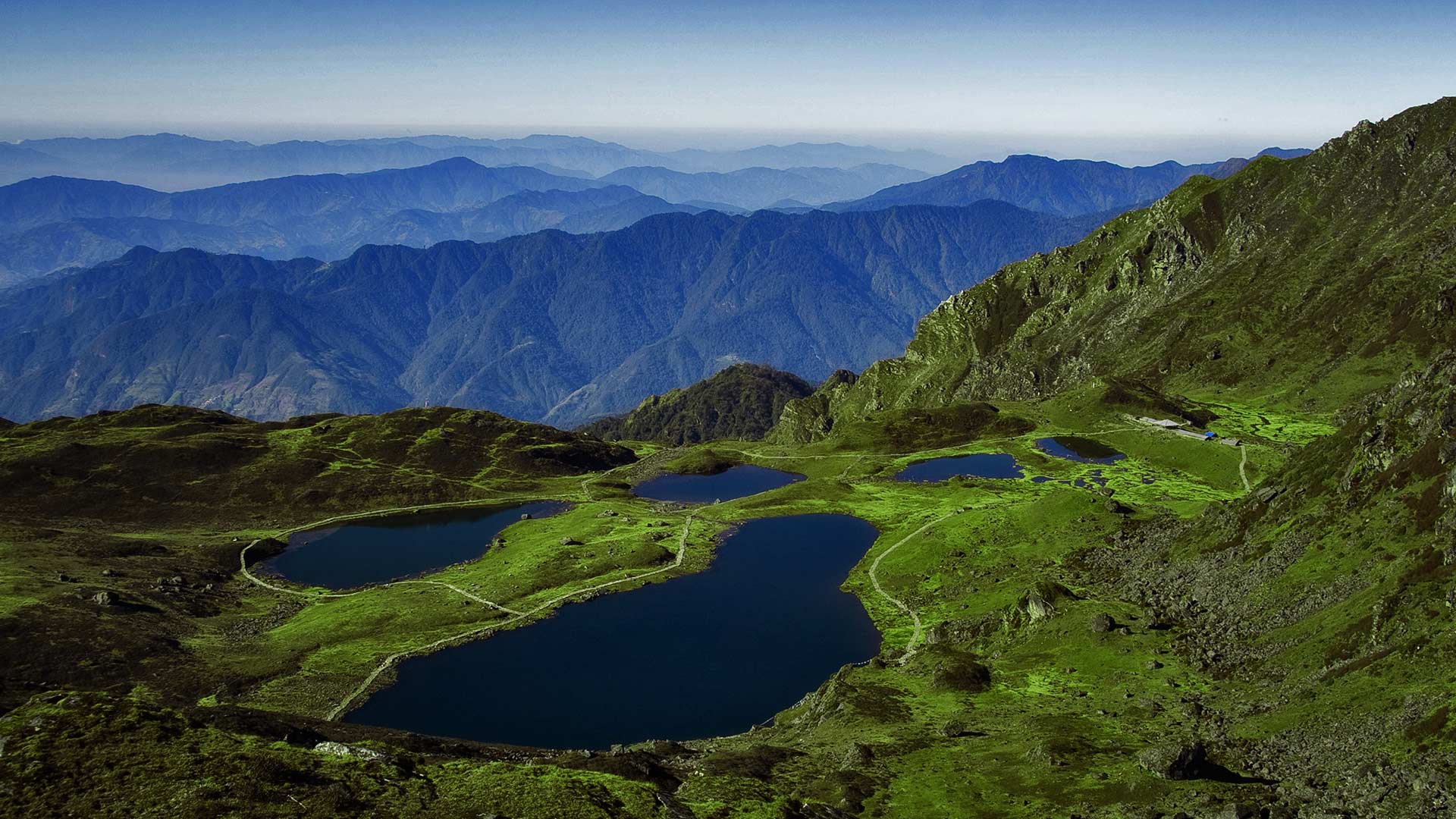
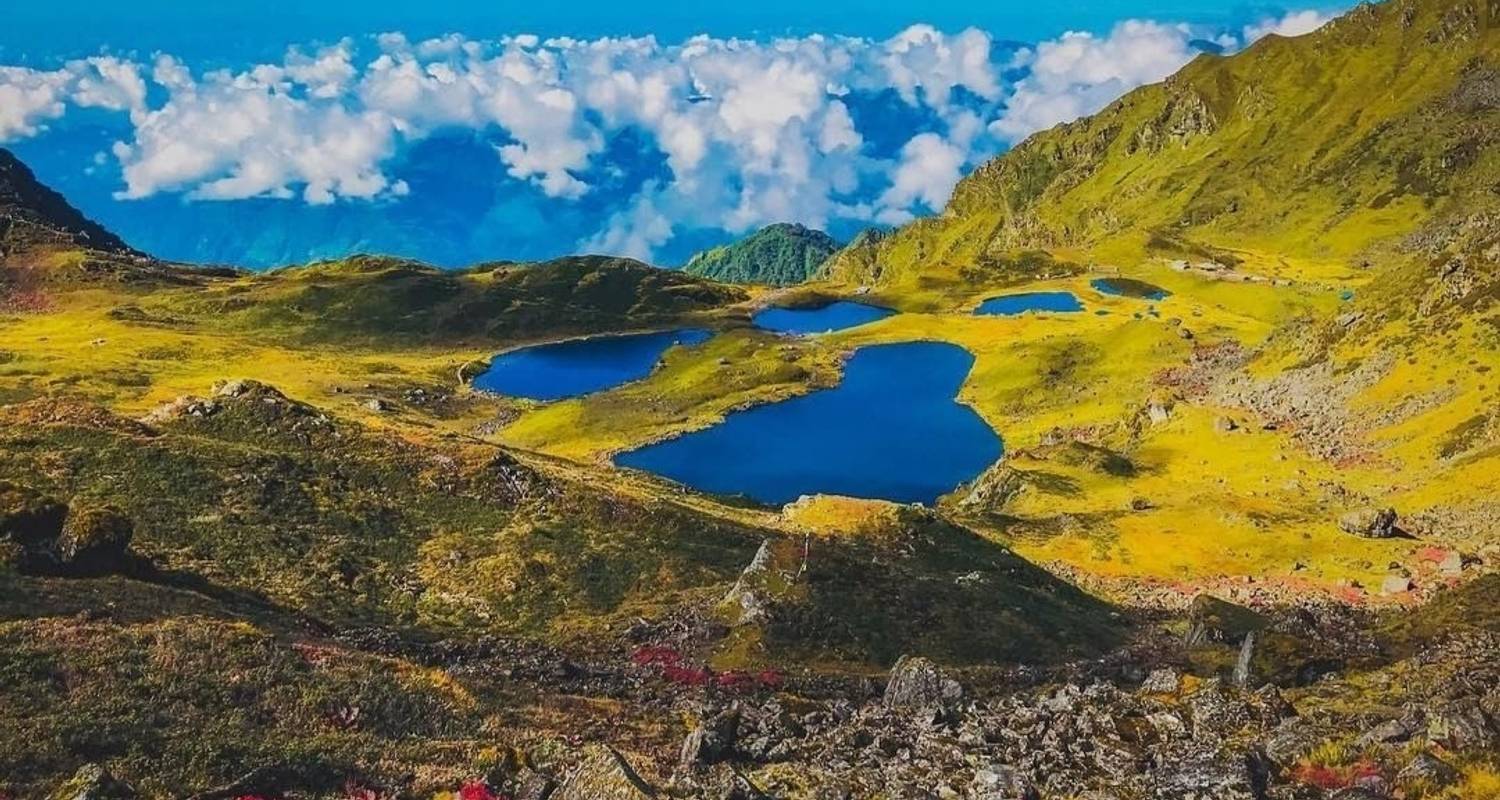
The Panch Pokhari Trek is one of the most rewarding yet less-explored trekking routes in Nepal, offering a perfect blend of natural beauty, cultural heritage, and spiritual significance. Located in the remote Sindhupalchok District northeast of Kathmandu, this remarkable journey leads trekkers to the famous Five Sacred Lakes (Panch Pokhari) nestled beneath the majestic Jugal Himal Range at an altitude of approximately 4,100 meters.
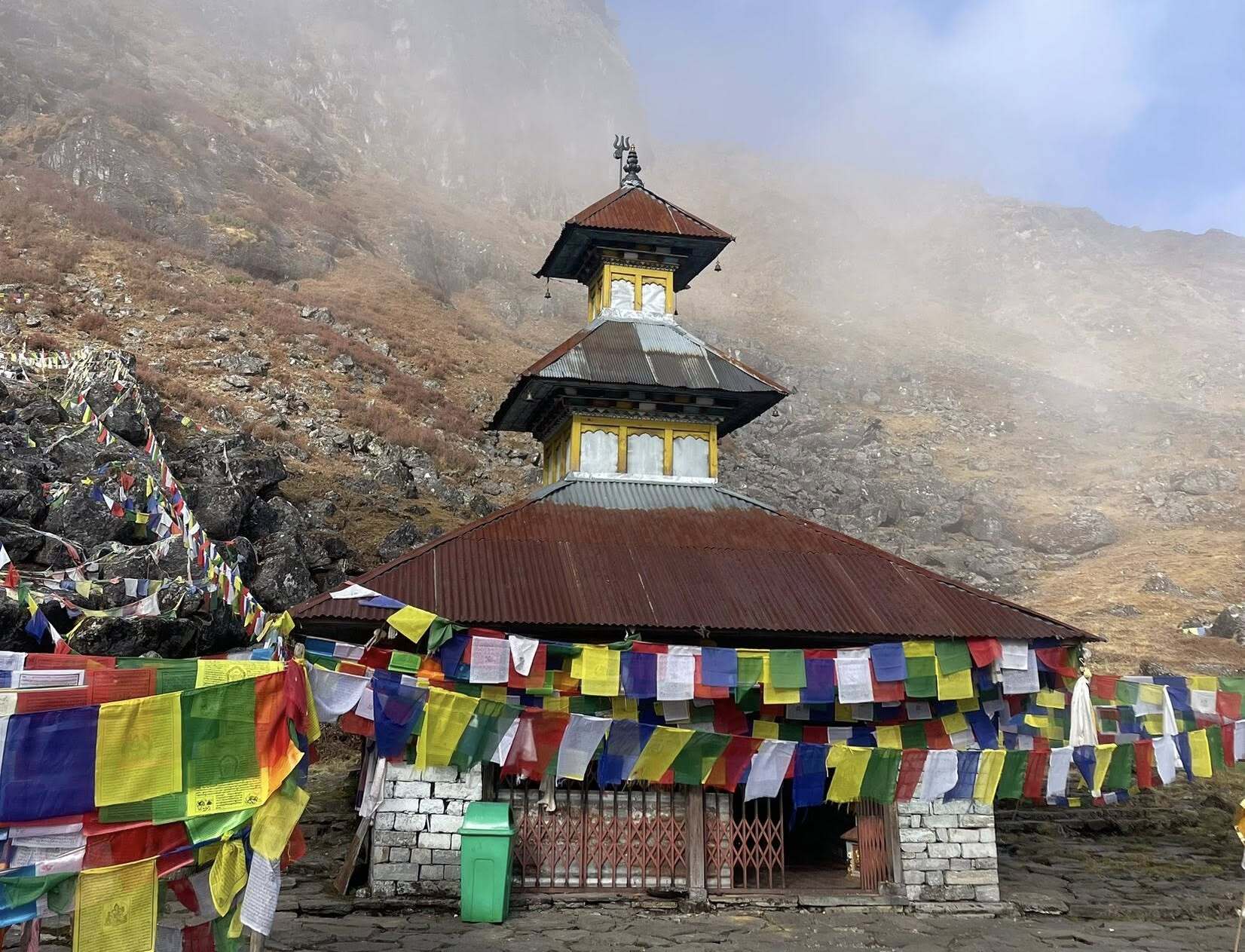
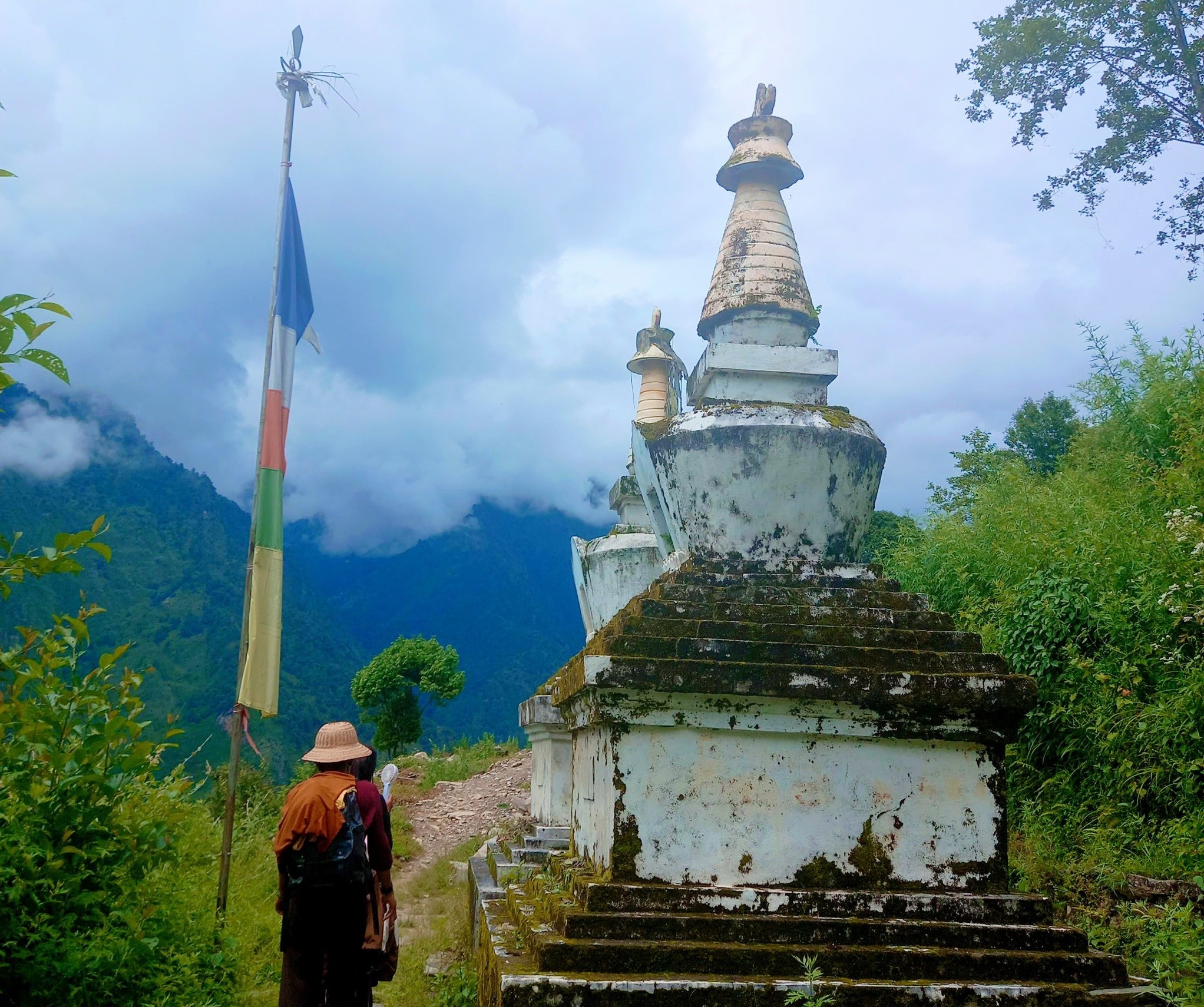
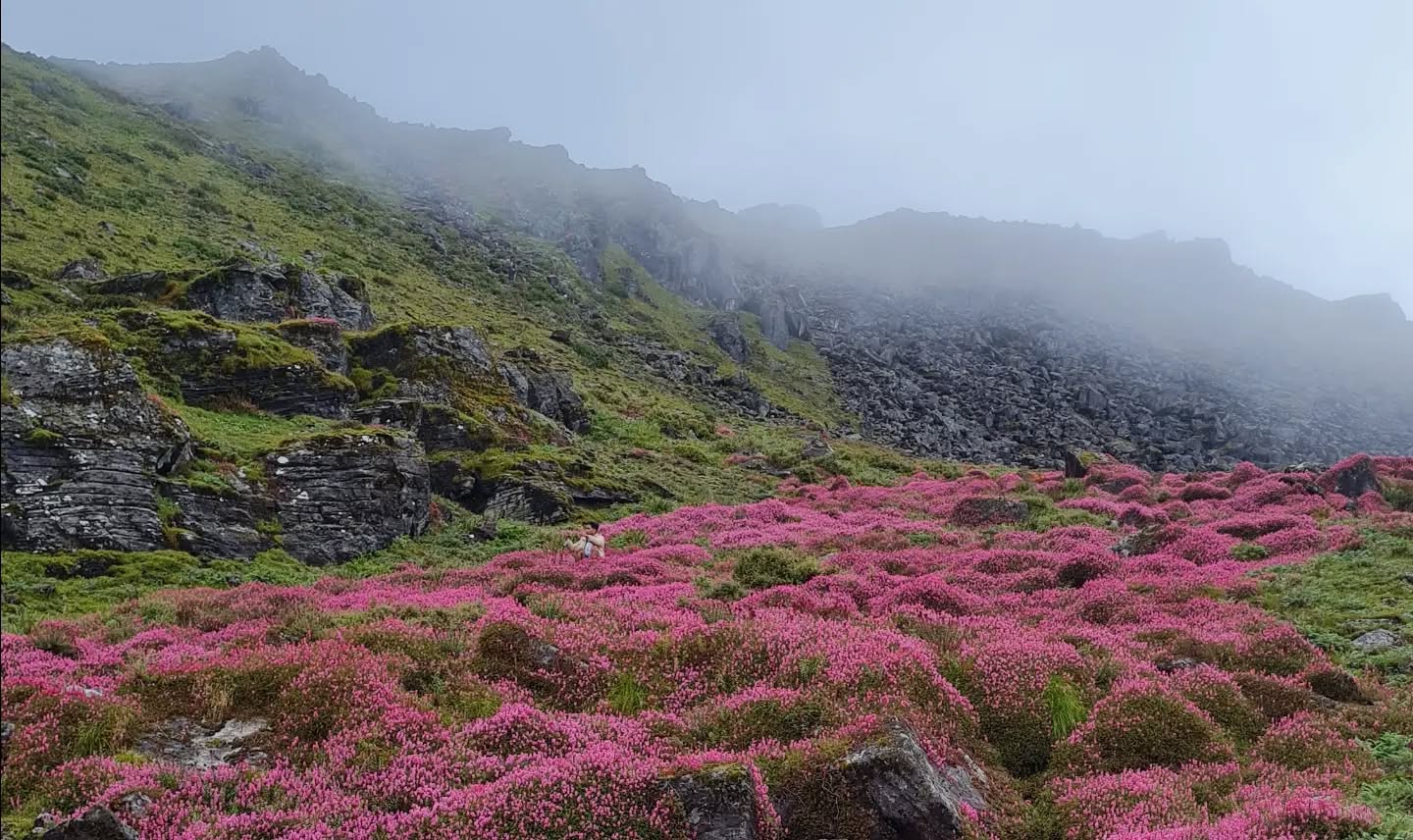
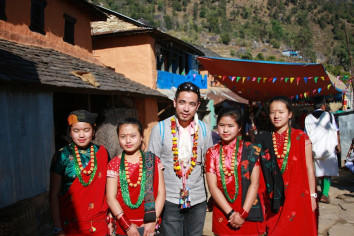
Unlike the crowded trails of the Everest Region Treks and Annapurna Region Treks, the Panch Pokhari Trek Nepal provides an authentic Himalayan experience through peaceful forests, traditional villages, alpine meadows, and breathtaking mountain landscapes. The trail passes through beautiful rhododendron forests, grazing pastures, and remote Himalayan settlements where visitors can experience the unique Tamang culture, local traditions, and warm hospitality of mountain communities.
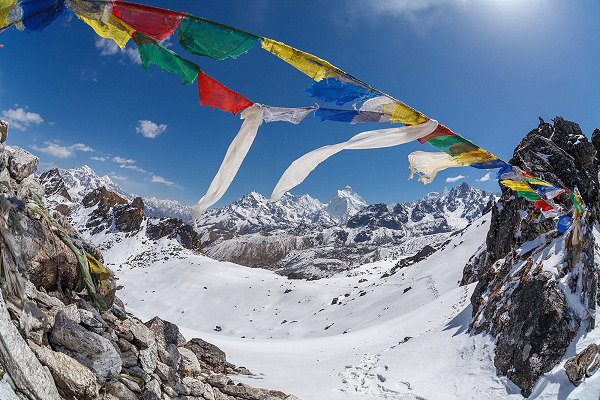
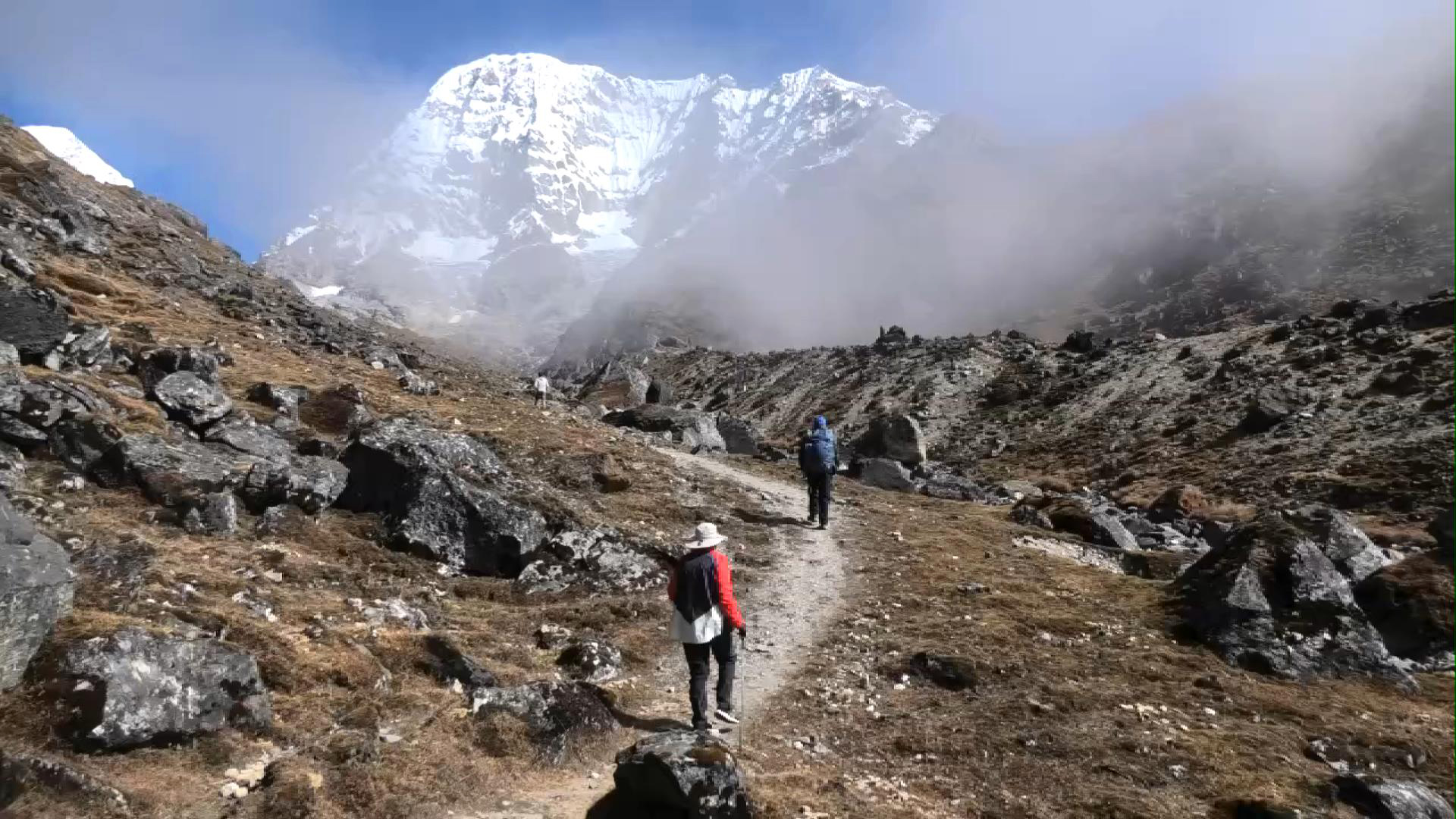
This sacred lake trek in Nepal is popular among both trekkers and pilgrims. The crystal-clear lakes hold great religious importance for Hindu and Buddhist devotees, especially during the Janai Purnima festival, when thousands of pilgrims visit the area. Along the route, trekkers are rewarded with spectacular Himalayan panoramas, including views of Dorje Lakpa, Madiya, Phurbi Chhyachu, and surrounding snow-capped peaks.
The Panch Pokhari Lake Trek is an excellent choice for travelers seeking an off-the-beaten-path trek in Nepal with fewer crowds and pristine natural surroundings. Whether you are interested in trekking in Nepal, hiking in Nepal, cultural exploration, photography, or spiritual travel, this trek offers an unforgettable Himalayan adventure. The journey can be completed within a week, making it one of the best short treks from Kathmandu for those looking for a unique Nepal trekking experience.
From stunning high mountain lakes and remote Himalayan villages to diverse wildlife and rich cultural encounters, the Panch Pokhari Trek promises an extraordinary nature and culture trek in Nepal that showcases the hidden beauty of the Himalayas.
The best time to do the Panch Pokhari Trek in Nepal is during the spring (March to May) and autumn (September to November) seasons. These months offer the most stable weather conditions, clear Himalayan views, and comfortable trekking temperatures.
In spring, the trail becomes especially beautiful with blooming rhododendron forests, green hills, and vibrant landscapes. The skies are generally clear, making it ideal for mountain photography and enjoying panoramic views of the Jugal Himal Range.
In autumn, after the monsoon season, the weather is fresh and crisp. This is the most popular trekking season in Nepal due to excellent visibility, dry trails, and pleasant daytime temperatures.
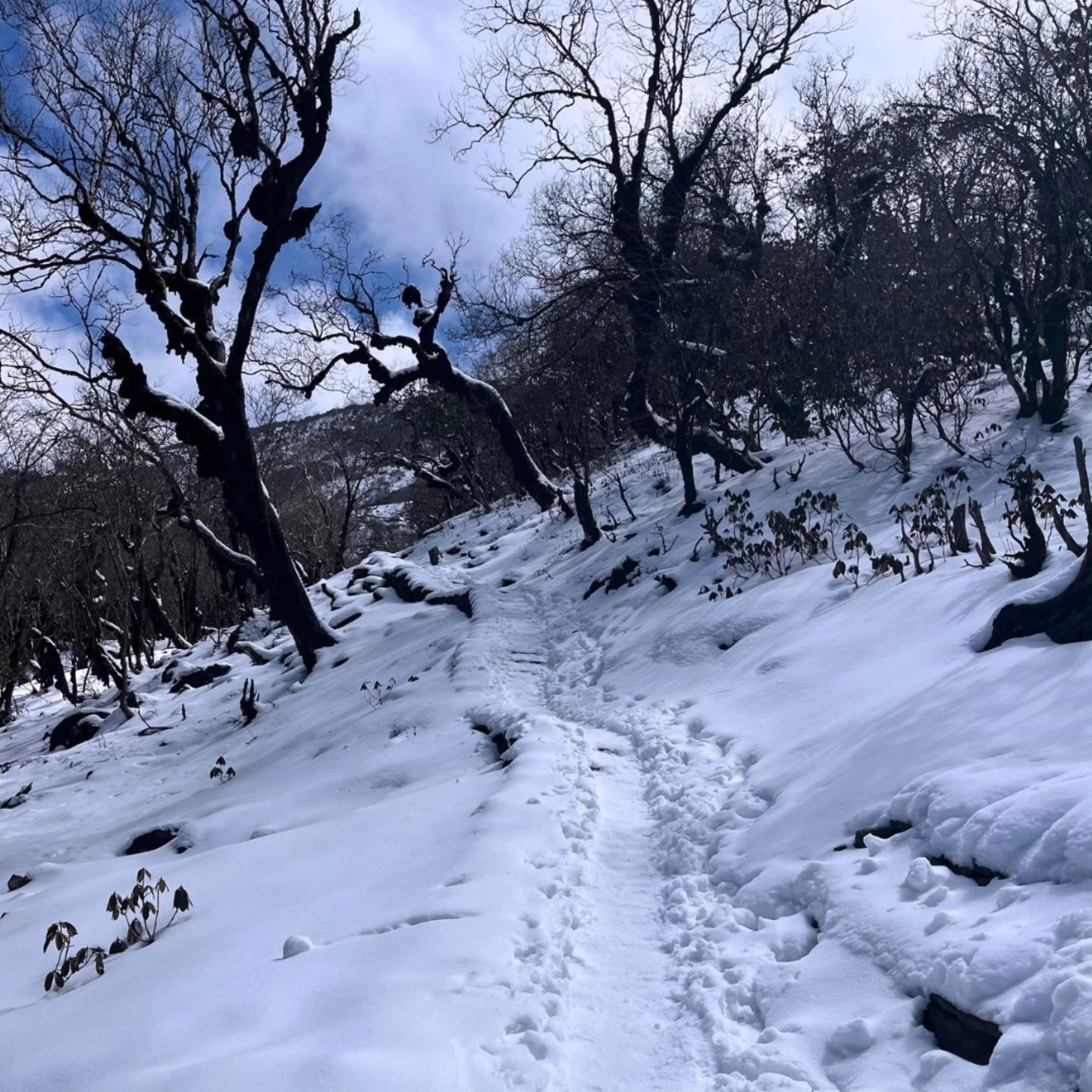
The trek is also possible in winter (December to February), but it can be very cold at higher elevations, and some parts may have snow. The monsoon season (June to August) is less recommended due to heavy rainfall, slippery trails, and limited visibility, although the region becomes lush and green.
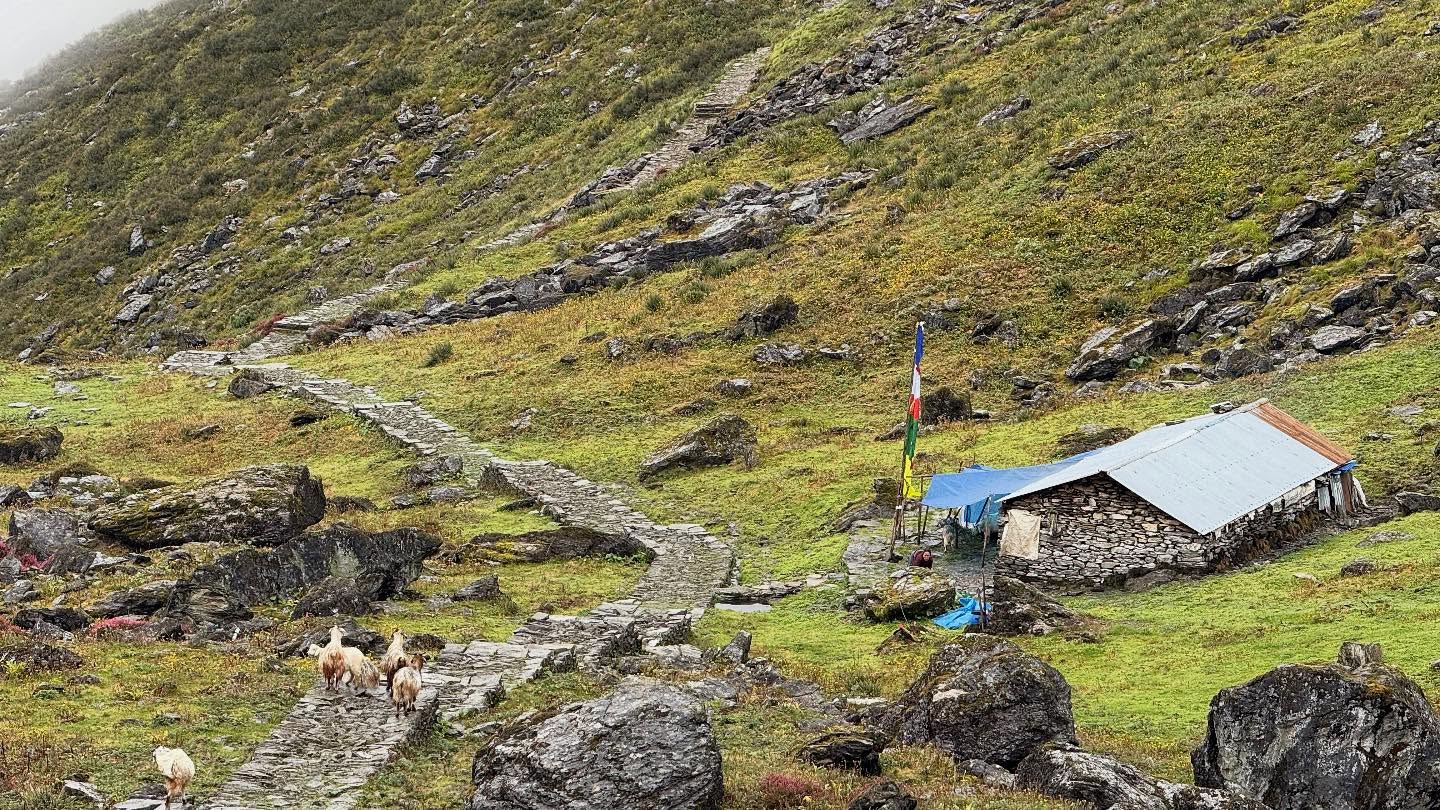
The Panch Pokhari Trek is a remote and less-developed trekking route, so food and accommodation options are basic but authentic. Unlike commercial trekking regions, this trail offers a more natural and traditional Himalayan experience.
Along the route, especially in lower villages like Chhimti and Deurali, trekkers can find simple teahouses and local lodges. Accommodation is usually in basic twin-sharing rooms with shared bathrooms. In higher regions near Panch Pokhari, facilities are limited, and camping is often required.
Meals are freshly prepared by local teahouses or trekking crews. Common food options include dal bhat (rice, lentils, and vegetables), noodles, soups, potatoes, eggs, Tibetan bread, and seasonal vegetables. The food is simple but energetic, perfect for long trekking days.
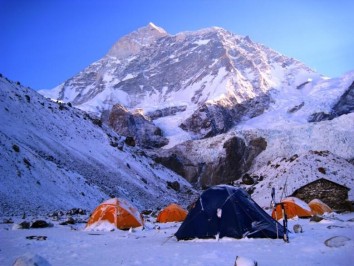
Since this is a camping-friendly trekking route, many trekking packages include full-board camping services with tents, kitchen staff, and necessary equipment, especially in the upper section of the trail.
Drinking water is available along the route, but trekkers are advised to carry water purification tablets or filters for safety.
The Panch Pokhari Trek is considered a moderate-level trek in Nepal, suitable for trekkers with a basic level of fitness and some prior hiking experience.
The trail involves daily walking of 5 to 7 hours through uphill climbs, forest trails, river valleys, and rocky mountain paths. The highest point of the trek reaches around 4,100 meters at Panch Pokhari Lake, which means there is a moderate risk of altitude sickness if proper acclimatization is not followed.
Although technical climbing skills are not required, trekkers should be prepared for long ascents, remote terrain, and basic facilities. Weather conditions can change quickly in the Himalayas, making some sections challenging, especially during winter or monsoon seasons.
With proper preparation, good physical fitness, and a gradual ascent, the Panch Pokhari Trek is a rewarding adventure that offers both spiritual experience and Himalayan exploration away from crowded trekking routes.
The Panch Pokhari Trek Nepal requires certain trekking permits to ensure safety, regulate tourism, and support conservation efforts in the region. Since this trek lies in the Sindhupalchok District within the Himalayan conservation and local rural areas, trekkers must carry the necessary permits before starting the journey.
The TIMS Card is one of the most important trekking permits in Nepal. It is designed to record trekker information and ensure safety during Himalayan treks.
Requirement: Mandatory for most trekking routes in Nepal, including the Panch Pokhari Trek
Purpose: Trekker tracking system for safety and emergency rescue support
Cost: Approx. NPR 2,000 (foreign trekkers) / NPR 1,000 (SAARC nationals)
Where to get: Nepal Tourism Board (Kathmandu) or through a registered trekking agency
Documents needed: Passport copy, passport-size photos, and basic trekking details
Note: TIMS is generally arranged by trekking agencies if you book a Panch Pokhari Trek package.
In addition to TIMS, trekkers may need a local entry permit or rural municipality fee, depending on the latest government regulations for the Sindhupalchok region.
Purpose: Supports local development, trail maintenance, and community projects
Where applicable: Entry points of the Panch Pokhari trekking route (Chautara / Melamchi side)
Cost: Usually NPR 100 – NPR 1,000 (varies by local authority updates)
Issued by: Local government offices or entry checkpoints
This fee helps support local communities, Tamang villages, and eco-tourism development in the Panch Pokhari region.
Depending on the exact route used, trekkers may also pass through areas connected to Langtang National Park buffer zones or conservation-managed regions.
Important Permit Notes, Nepal Unique Treks Will Arange this all permits
Your journey begins with a scenic drive from Kathmandu to Chautara, the district headquarters of Sindhupalchok. The drive passes through beautiful hills, rivers, and rural settlements, offering glimpses of Nepal’s countryside lifestyle. Chautara is the gateway to the Panch Pokhari Trek route. After arrival, explore the local market and prepare for the trek.
Today’s trek begins through stone trails, terraced farmlands, and small Tamang villages. The trail gradually ascends through lush forests and offers beautiful views of the surrounding hills. You will experience local culture and traditional village life along the way.
The trail continues uphill through dense rhododendron and pine forests. As you gain altitude, the landscape becomes more alpine and peaceful. You may spot Himalayan wildlife and enjoy stunning mountain views. Kami Kharka is a beautiful open pasture area, ideal for camping.
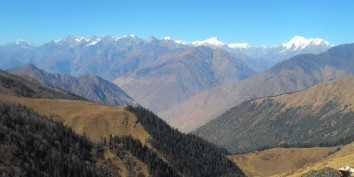
Today’s trek is more challenging as you move closer to the high-altitude region. The trail becomes steeper and colder, with breathtaking views of the Jugal Himal Range. Nasim Pati is the last settlement before Panch Pokhari and offers a peaceful mountain atmosphere.
This is the most important day of the trek as you reach the sacred Five Lakes of Panch Pokhari. The trail climbs gradually through rocky terrain and alpine landscapes. Upon arrival, you will witness the stunning cluster of holy lakes surrounded by snow-capped mountains. Spend time exploring, taking photos, and enjoying the spiritual atmosphere.
Early sunrise over the Himalayas is a highlight of today. After exploring the sacred lakes and enjoying the peaceful environment, you begin descending back to Kami Kharka. The downhill trek is easier but long, passing through beautiful landscapes and forest trails.
On the final day, you descend back to Chautara through familiar villages and forests. After reaching Chautara, you take a scenic drive back to Kathmandu, marking the end of your Panch Pokhari Trek adventure.
Packing smart for the Panch Pokhari Trek in Nepal is essential because the route includes changing weather, remote trails, and high-altitude conditions up to 4,100 meters. Since facilities are basic, carrying the right gear ensures safety, comfort, and an enjoyable trekking experience.
Weather in the Himalayas can change quickly, so layering is the best approach.
Good footwear is crucial for uneven and rocky trails.
These items make your trekking experience easier and safer.
Since facilities are limited, carry your own essentials.
Altitude and remote trails require basic medical preparation.
Useful for communication, navigation, and photography.
Trekking in remote areas means limited food variety at higher altitudes.
Important Documents
Never forget these essentials before starting your trek.
Find answers to the most frequently asked questions about this tour.
The Panch Pokhari Trek is located in the Sindhupalchok District of Nepal, northeast of Kathmandu. The trek leads to the sacred Five Lakes (Panch Pokhari) situated at an altitude of around 4,100 meters in the Jugal Himal region.
The Panch Pokhari Trek is considered a moderate-level trek in Nepal. It involves 5–7 hours of walking daily through uphill trails, forests, and high-altitude terrain. No technical climbing is required, but good fitness and basic trekking experience are recommended.
The best time for the Panch Pokhari Lake Trek is Spring (March–May), Rhododendron blooms and clear mountain views, Autumn (September–November): Stable weather and excellent visibility, Winter is cold with possible snow, while the monsoon season is wet and less ideal for trekking.
The standard Panch Pokhari Trek itinerary is 7 days from Kathmandu to Kathmandu. However, it can be customized from 5 to 9 days depending on route, fitness level, and travel style.
The highest point of the trek is Panch Pokhari Lake at approximately 4,100 meters (13,450 ft) above sea level. Proper acclimatization is important to avoid altitude sickness.
Yes, trekkers need a TIMS Card (Trekkers’ Information Management System), a local entry permit (Sindhupalchok rural municipality fee), Optional conservation area permit, depending on the route. Most trekking agencies arrange all permits for convenience.
Accommodation is basic and includes Local teahouses in lower villages, Simple lodges with shared rooms, and camping in higher regions like Kami Kharka and Panch Pokhari. Facilities are limited but offer an authentic Himalayan experience.
Food is simple, fresh, and locally prepared. Common meals include Dal Bhat (rice, lentils, vegetables), Noodles and soups, Eggs, potatoes, and Tibetan bread, Tea, coffee, and seasonal vegetables. Camping treks include full-board meals prepared by trekking staff.
Yes, it is suitable for fit beginners who can walk 5–7 hours daily. However, beginners should prepare physically and be ready for basic facilities and high-altitude walking conditions.
Panch Pokhari is famous for its five sacred lakes, religious significance for Hindu and Buddhist pilgrims, and breathtaking views of the Jugal Himal Range. It is also known as a peaceful, less-crowded trekking destination near Kathmandu.
Solo trekking is possible in some sections, but it is highly recommended to hire a licensed guide or join a trekking package due to remote trails, limited infrastructure, and safety considerations.
The cost depends on services, but generally, Budget trek: USD 400–600, Standard package: USD 600–900, Guided camping trek: USD 800–1,200. Costs include permits, guide, porter, food, accommodation, and transport.
Nepal 
Nepal
Nepal
Nepal
Nepal

 WhatsApp
 Plan Your Trip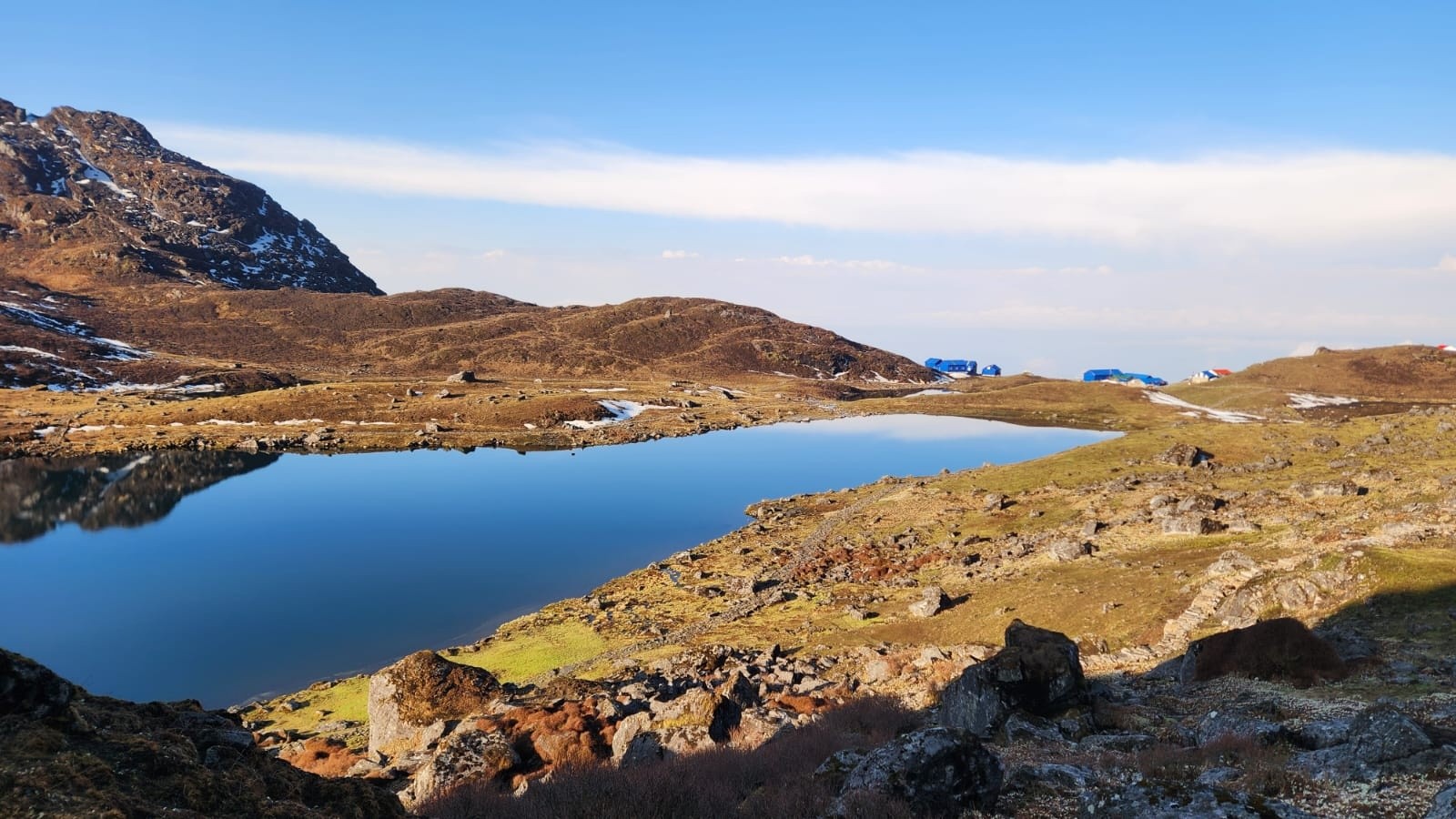


 Reviews 5/5
 Reviews 5/5
 Reviews 5/5