Tsum Valley Trek
Trip Facts
Overview
Tsum Valley Trek Overview
The Tsum Valley Trek is one of the most fascinating and culturally rich trekking adventures in Nepal. Hidden in the remote northern part of the Manaslu region, this sacred Himalayan valley remained isolated from the outside world for centuries, preserving its unique traditions, ancient monasteries, and authentic Tibetan Buddhist culture. For travelers seeking an off-the-beaten-path experience, the Tsum Valley Trek offers a perfect combination of natural beauty, spiritual heritage, and genuine local hospitality.
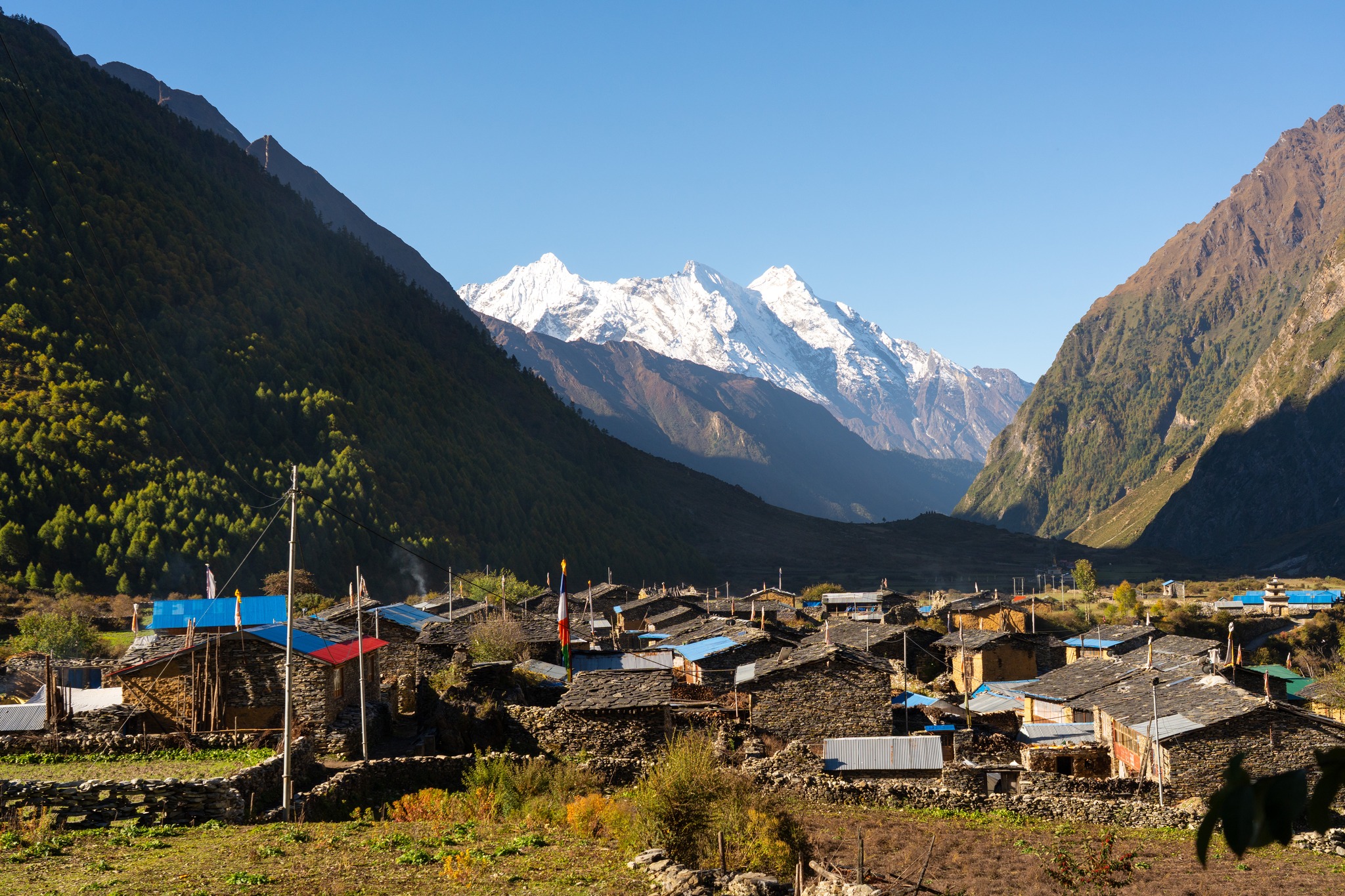
Located close to the border of Tibet, Tsum Valley is often called the "Hidden Valley of Happiness." The trek follows ancient trade and pilgrimage routes through picturesque villages, dense forests, terraced farmlands, and dramatic mountain landscapes. Along the journey, trekkers are rewarded with breathtaking views of snow-capped peaks such as Ganesh Himal, Sringi Himal, Himalchuli, and Boudha Himal.
Unlike some of the busier trekking routes in Nepal, the Tsum Valley Trek provides a peaceful and immersive trekking experience. The region is home to the indigenous Tsumba people, whose language, customs, religion, and lifestyle closely resemble Tibetan traditions. Visitors have the opportunity to explore centuries-old monasteries, prayer walls, mani stones, chortens, and sacred caves that hold deep spiritual significance for local communities.
One of the major highlights of the trek is a visit to Mu Gompa, the largest monastery in the valley, situated at an elevation of approximately 3,700 meters. Another important spiritual site is Rachen Gompa, a renowned Buddhist nunnery where visitors can witness traditional Buddhist practices and ceremonies. The valley is also associated with the revered Tibetan Buddhist master Milarepa, who is believed to have meditated in several caves throughout the region.
The Tsum Valley Trek is considered a moderate trekking adventure suitable for hikers with a reasonable level of fitness. The trail gradually ascends through diverse landscapes, allowing trekkers to acclimatize comfortably while enjoying the stunning Himalayan scenery. The trek can be completed independently as a dedicated Tsum Valley journey or combined with the famous Manaslu Circuit Trek for a more comprehensive Himalayan experience.
Spring (March to May) and autumn (September to November) are the best seasons for trekking in Nepal's Tsum Valley. During these months, the weather is generally stable, mountain views are crystal clear, and the surrounding forests bloom with colorful rhododendrons or vibrant autumn foliage.
For those looking to experience authentic Nepal trekking away from crowded trails, the Tsum Valley Trek offers an unforgettable journey into one of the most culturally preserved regions of the Himalayas. With its spectacular mountain panoramas, sacred Buddhist heritage, welcoming local communities, and pristine natural environment, this hidden valley remains one of the most rewarding trekking destinations in Nepal.
Tsum Valley Trek Highlights
- Explore the hidden and sacred Tsum Valley, one of the most culturally preserved regions in the Himalayas.
- Experience authentic trekking in Nepal away from crowded tourist trails.
- Discover the unique lifestyle, traditions, and hospitality of the indigenous Tsumba people.
- Visit ancient Buddhist monasteries, including the famous Mu Gompa and Rachen Gompa.
- Walk through picturesque Himalayan villages adorned with prayer flags, mani walls, and chortens.
- Enjoy spectacular mountain views of Ganesh Himal, Sringi Himal, Boudha Himal, Himalchuli, and other snow-capped peaks.
- Follow historic trade and pilgrimage routes that connect Nepal with Tibet.
- Explore sacred caves associated with the great Tibetan Buddhist saint Milarepa.
- Experience the spiritual atmosphere of one of Nepal's most important Buddhist valleys.
- Trek through diverse landscapes featuring lush forests, deep river gorges, alpine meadows, and terraced farmland.
- Observe rare Himalayan wildlife and diverse flora in the remote Manaslu region.
- Cross traditional suspension bridges over glacial rivers and mountain streams.
- Learn about Tibetan-influenced culture, religion, architecture, and centuries-old customs.
- Enjoy comfortable teahouse accommodation while interacting with local communities.
- Witness breathtaking sunrise and sunset views over the Himalayan mountain range.
- Visit one of Nepal's restricted trekking regions that remains largely untouched by modernization.
- Combine adventure, cultural exploration, and spiritual discovery in a single trekking journey.
- Experience a perfect alternative to the more crowded Everest and Annapurna trekking routes.
- Capture incredible photography opportunities of pristine landscapes and traditional mountain life.
- Create unforgettable memories in one of Nepal's most rewarding and authentic trekking destinations.
Food and Accommodation During the Tsum Valley Trek
The Tsum Valley Trek offers comfortable teahouse accommodation and freshly prepared meals throughout the journey. Although the valley is one of the more remote trekking regions in Nepal, local lodges provide a warm and welcoming atmosphere, allowing trekkers to experience the genuine hospitality of the Tsumba people.
Accommodation along the trail is generally in simple yet comfortable teahouses. Rooms usually feature twin beds with mattresses, pillows, and blankets, while bathrooms are often shared. In lower villages, some lodges offer attached bathrooms and hot showers, while facilities become more basic as you ascend deeper into the valley. The traditional architecture and peaceful surroundings add a unique cultural experience to your stay.
Food on the Tsum Valley Trek is nutritious and designed to support trekkers during long walking days. The most common meal is Dal Bhat, Nepal's traditional dish consisting of rice, lentil soup, vegetables, and pickles, often served with unlimited refills. Other menu options may include noodles, fried rice, pasta, soups, Tibetan bread, chapati, momos, porridge, pancakes, eggs, and seasonal vegetables. Tea, coffee, hot lemon, and local herbal drinks are also widely available.
One of the most rewarding aspects of trekking in Nepal, the Tsum Valley is the opportunity to enjoy home-cooked meals while learning about the region's Tibetan-influenced culture and lifestyle. Although menu choices may be more limited than in Everest or Annapurna, the food is generally fresh, filling, and prepared with local ingredients.
How Difficult is the Tsum Valley Trek?
The Tsum Valley Trek is considered a moderate trekking adventure and is suitable for trekkers with a reasonable level of physical fitness. While the trek does not require technical climbing skills or mountaineering experience, it involves several consecutive days of walking through mountainous terrain at varying elevations.
Most trekking days involve 5 to 7 hours of hiking on well-established trails, with occasional steep ascents and descents. The highest point of the trek is usually Mu Gompa at approximately 3,700 meters, which is lower than many popular high-altitude treks in Nepal. As a result, the risk of severe altitude sickness is relatively lower, although proper acclimatization and hydration remain important.
The remote nature of the Tsum Valley Trek adds to its challenge. Trails can be rugged in certain sections, and accommodation facilities are more basic compared to major trekking regions. However, the gradual elevation gain allows most trekkers to adapt comfortably to the altitude.
This trek is ideal for hikers seeking a combination of cultural exploration, Himalayan scenery, and moderate physical challenge. Beginners with good preparation can complete the trek, while experienced trekkers will appreciate its peaceful trails, rich Buddhist heritage, and untouched mountain landscapes.
Overall, the Tsum Valley Trek is an excellent choice for travelers looking for an authentic trekking experience in Nepal without the extreme altitude demands of Everest Base Camp or other high Himalayan passes.
Best Time to Visit Tsum Valley Trek
The best time to visit the Tsum Valley Trek is during the spring (March to May) and autumn (September to November) seasons. These months offer stable weather, clear mountain views, comfortable temperatures, and excellent trekking conditions, making them the most popular periods for trekking in Nepal.
Spring Season (March to May)
Spring is one of the most beautiful times to explore Tsum Valley. The hills and forests come alive with blooming rhododendrons, wildflowers, and lush greenery. Daytime temperatures are pleasant, and the skies are generally clear, providing stunning views of Ganesh Himal, Himalchuli, Sringi Himal, and other surrounding peaks. This season is ideal for photography, nature lovers, and cultural exploration.
Autumn Season (September to November)
Autumn is considered the peak trekking season in Nepal. Following the monsoon rains, the atmosphere becomes fresh and crystal clear. Trekkers can enjoy spectacular mountain panoramas, mild temperatures, and dry trails. Local festivals such as Dashain and Tihar also provide opportunities to experience Nepal's rich cultural traditions.
Winter Season (December to February)
Winter trekking is possible in Tsum Valley, but temperatures can drop significantly, especially at higher elevations near Mu Gompa. Snowfall may occasionally affect trails, although the region remains less crowded and offers peaceful trekking experiences.
Monsoon Season (June to August)
The monsoon season brings frequent rainfall, slippery trails, leeches in lower forest sections, and reduced mountain visibility. While the valley becomes incredibly green and beautiful, trekking conditions can be more challenging during this period.
Itinerary
Day 1: Drive from Kathmandu to Machha Khola (930m), Distance Approx. 160 km Time 7–8 hours drive
Today begins your Tsum Valley Trek journey with a scenic drive from Kathmandu to Machha Khola. The drive passes through Dhading Besi, Arughat, and winding hill roads with views of rivers, terraced fields, and rural settlements. You will follow the Budhi Gandaki River valley as the landscape gradually becomes more remote.
Day 2: Trek from Machha Khola to Jagat (1,340m), Distance 22 km Time 6–7 hours
The trek officially begins today. The trail follows the Budhi Gandaki River with narrow gorges, waterfalls, and suspension bridges. You will pass Khorlabesi and Tatopani (hot springs) before reaching Jagat, a beautiful stone-paved village.
Day 3: Jagat to Lokpa (2,240m), Distance 17 km, Time 6–7 hours
Today, you enter the restricted Tsum Valley region after completing permit checks. The trail climbs through Philim and Ekle Bhatti before entering dense pine forests. Lokpa offers your first views of the Tsum Valley entrance.
Day 4: Lokpa to Chumling (2,386m), Distance 6–7 km, Time 5–6 hours
A scenic day through forest trails, suspension bridges, and peaceful landscapes. You descend slightly before ascending into Upper Tsum Valley. Chumling offers stunning views of Shringi Himal and traditional stone houses.
Day 5: Chumling to Chokhangparo (3,010m), Distance 10–11 km, Time 5–6 hours
You enter deeper into Tsum Valley today. The trail passes through Rainjam and climbs gradually with beautiful views of Ganesh Himal. Chokhangparo is a traditional Tibetan-style village with rich Buddhist culture.
Day 6: Chokhangparo to Nile (3,361m), Distance 15 km, Time 5–6 hours
A gradual ascent through scenic landscapes, mani walls, and chortens. You pass Lamagaon and Milarepa’s Cave before reaching Nile, the last village before Mu Gompa.
Day 7: Nile to Mu Gompa (3,700m) & Return to Nile, Distance 8 km, round trip Time 4–5 hours
A short but spiritually rich hike to Mu Gompa, the largest monastery in Tsum Valley. Explore the monastery, the surrounding hills, and the meditation caves before returning to the Nile.
Day 8: Nile to Chumling (2,386m), Distance 20 km, Time 6–7 hours
Descending back through familiar trails, you retrace your steps, enjoying panoramic mountain views and cultural encounters.
Day 9: Chumling to Philim (1,570m), Distance 18 km, Time 6–7 hours
A long descent through forests and villages. You rejoin the lower Manaslu trekking route with riverside trails and suspension bridges.
Day 10: Philim to Khorlabesi (970m) Distance 20 km, Time 6–7 hours
You continue descending along the Budhi Gandaki River. The trail passes small settlements, waterfalls, and natural hot springs.
Day 11: Khorlabesi to Machha Khola (930m), Altitude 930m, Distance 10 km
A relatively easy trekking day following river valleys and suspension bridges. You reach Machha Khola and celebrate the completion of the trekking circuit section.
Day 12: Drive from Machha Khola to Kathmandu (1,400m), Distance 160 km, Time 7–8 hours drive
A long scenic drive back to Kathmandu through hills, rivers, and rural settlements. Arrival in Kathmandu marks the end of your Tsum Valley Trek adventure.