Manaslu Circuit Trek package
Trip Facts
Overview
Introduction Manaslu Circuit Trek Package
The Manaslu Circuit Trek package is one of Nepal’s most rewarding Himalayan adventures, offering a perfect blend of raw wilderness, cultural richness, and high-altitude challenge. This trek circles the majestic Mount Manaslu in the remote western region of Nepal, near the border with Tibet. What makes it truly special is its restricted trekking status, which preserves its untouched trails, ancient villages, and authentic Himalayan lifestyle far from crowded tourist routes. Trekking through the region of the Manaslu Circuit Trek, travelers experience dramatic landscapes, deep gorges, suspension bridges, and breathtaking views of snow-covered peaks. From lush subtropical forests to the challenging Larke Pass, this journey delivers a complete Himalayan experience in one circuit. It is ideal for trekkers seeking adventure, solitude, and a genuine connection with Nepal’s mountain culture.
Overview of the Trek
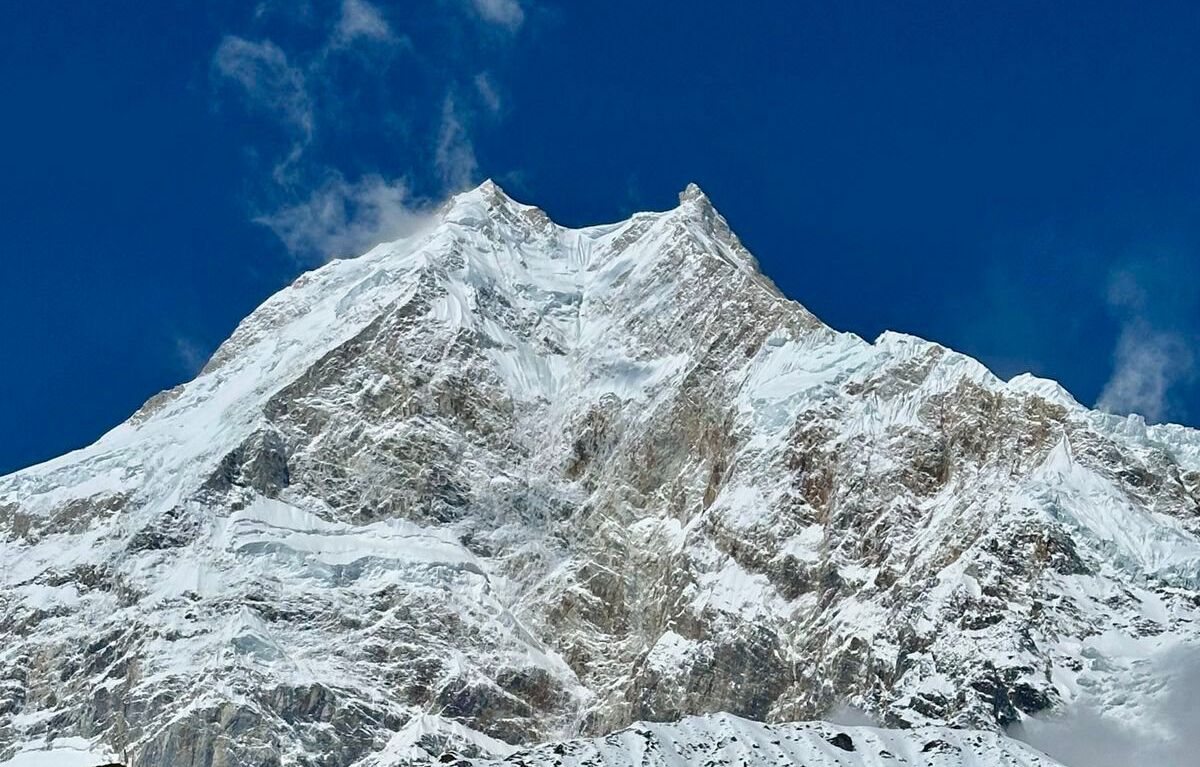
The Manaslu Circuit Trek package in Nepal is a classic Himalayan journey that circles the world’s eighth-highest mountain, Mount Manaslu. It is a remote and culturally rich trekking route that takes you through traditional villages, river valleys, and high mountain terrain while offering a less crowded alternative to other popular treks in Nepal.
Located in the Gorkha district of northern Nepal, near the Tibetan border, the trail passes through the protected region of the Manaslu Circuit Trek. This region is known for its strong Tibetan-influenced culture, ancient monasteries, and dramatic natural scenery.
In terms of difficulty, the trek is considered moderate to challenging, mainly due to long walking days and high-altitude conditions. Trekkers need a reasonable level of fitness, and prior hiking experience is highly recommended.
The highest point of the journey is the Larke Pass (5,160m), which offers breathtaking panoramic views of Himalayan peaks and is often the most demanding yet rewarding section of the entire trek.
Cost of Manaslu Circuit Trek Package
The Manaslu Circuit Trek cost per person depends on group size, season, and service level, but it generally includes permits, guide and porter services, accommodation, meals, and transportation. Since this is a restricted trekking region, permit fees form a significant part of the total budget.
Permits
To enter the Manaslu region, trekkers must obtain several official permits, including the Manaslu Restricted Area Permit (MRAP), the Manaslu Conservation Area Permit (MCAP), and the Annapurna Conservation Area Permit (ACAP). These permits ensure regulated tourism and environmental protection in the region of the Manaslu Circuit Trek.
Guide & Porter Cost
A licensed guide is mandatory for this trek. The cost typically includes daily wages, insurance, and equipment. Hiring a porter is optional but highly recommended to make the trek more comfortable, especially at higher altitudes.
Accommodation & Food
Teahouse accommodation is available along the trail, with basic but comfortable lodges offering meals such as dal bhat, noodles, and soups. Prices increase gradually as you go higher up the mountains.
Transport
Transportation usually includes a drive from Kathmandu to the starting point (Soti Khola or Machha Khola) and return from Dharapani or Besisahar. Costs vary depending on shared jeep or private vehicle options.
Permits Required for Manaslu Circuit Trek
To complete the Manaslu Circuit Trek package, trekkers must obtain several mandatory permits, as the region falls under a restricted and protected conservation area. These permits help regulate tourism and preserve the route's natural and cultural heritage.
Restricted Area Permit (RAP)
The Manaslu Restricted Area Permit is the most important permit for this trek. It is required for entering the restricted zone between Jagat and Dharapani along the trail of the Manaslu Circuit Trek. The cost varies depending on the season and duration of stay.
Manaslu Conservation Area Permit (MCAP)
The MCAP is required to enter and trek within the Manaslu Conservation Area. It supports conservation efforts, wildlife protection, and sustainable tourism development in the region.
Annapurna Conservation Area Permit (ACAP)
The ACAP is required for the section of the trek that enters the Annapurna region, usually after crossing the Larke Pass. This permit helps maintain trails and support local communities in the conservation area.
Together, these permits ensure responsible trekking and are essential for anyone planning the Manaslu Circuit Trek package.
Why Choose This Trek
The Manaslu Circuit Trek package is one of Nepal’s most rewarding Himalayan journeys, offering a perfect balance of adventure, culture, and untouched natural beauty. Unlike heavily commercialized routes, this trek takes you through a restricted region where traditional Tibetan-influenced villages, ancient monasteries, and pristine mountain landscapes remain preserved.
One of the key reasons to choose this trek is its authentic and less-crowded experience. The trail around the Manaslu Circuit Trek provides a peaceful alternative to busier routes like Everest and Annapurna, making it ideal for trekkers seeking solitude and raw Himalayan beauty.
You also get a diverse trekking experience—from lush forests and river valleys to high alpine terrain and the dramatic crossing of Larke Pass (5,160m). Combined with mandatory licensed guides, the trek offers both safety and deep cultural insight throughout the journey.
Best Time to Visit
Spring (March–May)
Spring is one of the best seasons for the Manaslu Circuit Trek. The weather is stable, temperatures are moderate, and rhododendron forests are in full bloom, making the trail colorful and scenic.
Autumn (September–November)
Autumn is the most popular trekking season. Clear skies, excellent mountain views, and ideal temperatures make it perfect for crossing the Larke Pass safely.
Winter Warning (December–February)
Winter trekking is possible but challenging due to heavy snowfall and extreme cold at high altitude. Larke Pass may occasionally be closed.
Monsoon Warning (June–August)
Monsoon season brings heavy rain, landslides, and slippery trails, making trekking difficult and less safe in the Manaslu region.
Difficulty & Preparation
Fitness Level
The Manaslu Circuit Trek is considered moderate to challenging. Trekkers should be able to walk 6–8 hours daily over varied terrain and handle high altitude conditions.
Training Tips
Prepare at least 4–6 weeks before the trek with cardio exercises such as hiking, running, cycling, and stair climbing. Strength training for legs and endurance is highly recommended.
Altitude Sickness Advice
Since the trek reaches 5,160m at Larke Pass, altitude sickness is a real risk. Proper acclimatization, slow ascent, hydration, and rest days are essential for safety.
Packing List (SEO Traffic Booster)
Clothing
- Thermal base layers
- Fleece jacket
- Down jacket
- Waterproof jacket & pants
- Trekking pants
- Gloves, a hat, and warm socks
Gear
- Trekking boots (broken-in)
- Backpack (30–50L)
- Sleeping bag (-10°C or lower)
- Trekking poles
- Headlamp with extra batteries
Essentials
- Sunscreen & lip balm
- Water purification tablets
- First aid kit
- Snacks & energy bars
- Personal documents & permits
Frequently Asked Questions
1. Is the Manaslu Circuit Trek hard?
Yes, the Manaslu Circuit Trek is considered moderate to challenging. It involves 6–8 hours of walking daily and a high-altitude crossing at Larke Pass (5,160m), so good fitness and preparation are required.
2. How long does the Manaslu Circuit Trek take?
The trek usually takes 12 to 18 days, depending on the itinerary, acclimatization days, route variations, and starting/ending points.
3. Do I need a guide for the Manaslu Circuit Trek?
Yes, a licensed guide is mandatory because the Manaslu region is a restricted area. Solo trekking is not allowed, and you must trek with an authorized company.
4. Is the Manaslu Circuit Trek safe?
Yes, it is generally safe when done with a professional guide and proper preparation. The main risks are altitude sickness and weather changes, which can be managed with acclimatization and proper planning.
5. What is the highest point of the Manaslu Circuit Trek?
The highest point is Larke Pass (5,160m), which offers panoramic views of Himalayan peaks including Manaslu, Himlung, and Annapurna ranges.
6. What permits are required for the trek?
You need three main permits:
- Manaslu Restricted Area Permit (RAP)
- Manaslu Conservation Area Permit (MCAP)
- Annapurna Conservation Area Permit (ACAP)
7. What is the best time for the Manaslu Circuit Trek?
The best seasons are spring (March–May) and autumn (September–November) when the weather is stable, and the mountain views are clear.
8. How difficult is altitude sickness on this trek?
Altitude sickness can occur above 3,000m, especially near the Larke Pass. Proper acclimatization, hydration, and slow ascent are very important to reduce risk.
9. What type of accommodation is available on the trek?
Accommodation is in basic teahouses and lodges along the trail. Rooms are simple but comfortable, usually with twin beds and shared bathrooms.
10. What makes the Manaslu Circuit Trek special?
The trek is special because it offers a less crowded, restricted Himalayan experience with rich Tibetan-influenced culture, diverse landscapes, and breathtaking mountain views around the Manaslu Circuit Trek.
Itinerary
Day 1: Kathmandu to Machha Khola (930m), 160 km, 8/9 hrs
The journey begins with a long but scenic drive from Kathmandu to Machha Khola, covering around 160 km in 8–9 hours by jeep or bus. The road follows rivers, hills, and rural settlements of Nepal. Machha Khola sits at an elevation of 930m, marking the starting point of the trek. This travel day helps trekkers transition from city life to remote Himalayan terrain. An overnight stay in a teahouse allows rest before beginning the trekking adventure into the Manaslu region of the Manaslu Circuit Trek.
Day 2: Machha Khola to Jagat (1,340m), 22 km, 6/7 hrs
Today’s trek covers approximately 22 km in 6–7 hours through river valleys, waterfalls, and small Gurung villages. The trail includes gradual ascents and some narrow rocky paths alongside the Budhi Gandaki River. Jagat is located at 1,340m and serves as the official entry checkpoint for the restricted Manaslu region. The landscape becomes more rugged and culturally rich as Tibetan influence starts to appear. An overnight stay in Jagat provides rest for the next section of the trek.
Day 3: Jagat to Deng (1,860m), 20 km, 6/7 hrs
The trail today covers around 20 km in 6–7 hours, passing through dense forests, suspension bridges, and traditional villages. The climb is steady but manageable, with several uphill sections. Deng lies at an altitude of 1,860m, and the environment becomes noticeably more alpine. You will notice stronger Buddhist cultural influence, prayer flags, and chortens along the trail. The sound of the river continues throughout the journey, making this a peaceful yet moderately challenging trekking day.
Day 4: Deng to Namrung (2,630m), 19 km, 6/7 hrs
Today’s trek is about 19 km and takes 6–7 hours. The trail ascends through pine and rhododendron forests, crossing several small settlements. Namrung sits at 2,630m and offers the first clear views of snow-capped peaks. This village is culturally rich with traditional stone houses and monasteries. As you climb higher into the Manaslu region of the Manaslu Circuit Trek, the air becomes cooler and thinner, signaling entry into higher Himalayan terrain.
Day 5: Namrung to Lho (3,180m), 12 km, 4/5 hrs
The trek today covers approximately 10–12 km in 4–5 hours. The route gradually ascends through beautiful landscapes with increasing mountain views. Lho village, at 3,180m, is famous for its monastery and stunning views of Mount Manaslu. The shorter walking hours allow better acclimatization. The trail becomes more Buddhist in culture with mani walls and prayer flags dominating the scenery. This is one of the most scenic cultural sections of the trek.
Day 6: Lho to Samagaun (3,530m), 10 km, 5 hrs
Today’s walk is about 8–10 km, taking 4–5 hours. The trail offers incredible views of Manaslu, Himalchuli, and the surrounding peaks. Samagaun lies at 3,530m, one of the most important acclimatization villages. The terrain is relatively easier, allowing trekkers to adjust to the altitude. This village is deeply influenced by Tibetan culture and serves as a major stop in the Manaslu Circuit Trek package itinerary. An overnight stay helps prepare for the higher elevations ahead.
Day 7: Acclimatization Day in Samagaun (3,530m), 8 km, 4 hrs
Today is a rest and exploration day. Trekkers hike short distances of 5–8 km over 3–4 hours for acclimatization. Popular hikes include Manaslu Base Camp or Birendra Lake. Samagaun remains at 3,530m, helping the body adjust to altitude before ascending further. This rest day is crucial for safety in the Manaslu Circuit Trek. The surrounding views of glaciers and mountains make it one of the most beautiful stops.
Day 8: Samagaun to Samdo (3,860m)8 km, 4 hrs
The trek today is short but important, covering around 8 km in 3–4 hours. The trail climbs gradually through alpine terrain with sparse vegetation. Samdo is located at 3,860m, very close to the Tibetan border. The village has strong Tibetan cultural roots and offers dramatic mountain views. This short trekking day helps further acclimatization before heading to higher altitude zones.
Day 9: Acclimatization Day in Samdo (3,860m), 7 km, 4 hrs
Today is another acclimatization day with a short hike of 5–7 km in 3–4 hours toward nearby ridges or viewpoints. Samdo remains at 3,860m, giving the body time to adapt before crossing the Larke Pass. This is a critical preparation day in the Manaslu region of the Manaslu Circuit Trek. Trekkers can also explore local villages and observe the Tibetan-influenced lifestyle.
Day 10: Samdo to Dharmasala (4,460m)7 km, 4 hrs
Today’s trek is around 6–7 km, taking 4–5 hours. The trail climbs steadily into high alpine terrain with limited vegetation. Dharmasala, also known as Larke Phedi, sits at 4,460m and serves as the final stop before crossing Larke Pass. The air is thin, and conditions become colder and more challenging. This short but demanding hike is crucial preparation for the next day’s high pass crossing.
Day 11: Dharmasala to Bimthang via Larke Pass (5,160m), 26 km, 9/10 hrs
This is the most challenging and longest day, covering 24–26 km in 8–10 hours. The trek crosses Larke Pass at 5,160m, the highest point of the journey. The climb is steep and physically demanding but rewards trekkers with panoramic Himalayan views. After the pass, the trail descends sharply to Bimthang at 3,720m. This is the most memorable and dramatic day of the Manaslu Circuit Trek package.
Day 12: Bimthang to Dharapani (1,860m), 21 km, 7 hrs
Today’s trek covers approximately 21 km in 6–7 hours. The trail descends through forests, rivers, and small settlements. Dharapani sits at 1,860m, marking the exit from the Manaslu region of the Manaslu Circuit Trek into the Annapurna region. The terrain becomes warmer and greener as the altitude decreases significantly.
Day 13: Dharapani to Besisahar to Kathmandu190 km, 7 hrs
The trek ends with a 6–7 hour jeep drive (about 190 km total) from Dharapani to Besisahar and then to Kathmandu. This road journey passes through hills, rivers, and rural landscapes. Arrival in Kathmandu at 1,400m marks the completion of the Manaslu Circuit adventure. Rest and celebration in the city after completing the challenging Himalayan journey.
Day 14: Departure from Kathmandu (1,400m)
The final day is the departure from Kathmandu. Depending on flight time, trekkers may explore the city or rest. Kathmandu remains at 1,400m elevation and serves as the cultural and historical center of Nepal. This marks the end of the Manaslu Circuit Trek package journey, concluding one of Nepal’s most rewarding Himalayan adventures.